Underground Cable Locating: Methods and Tools to Map Buried Lines Safely

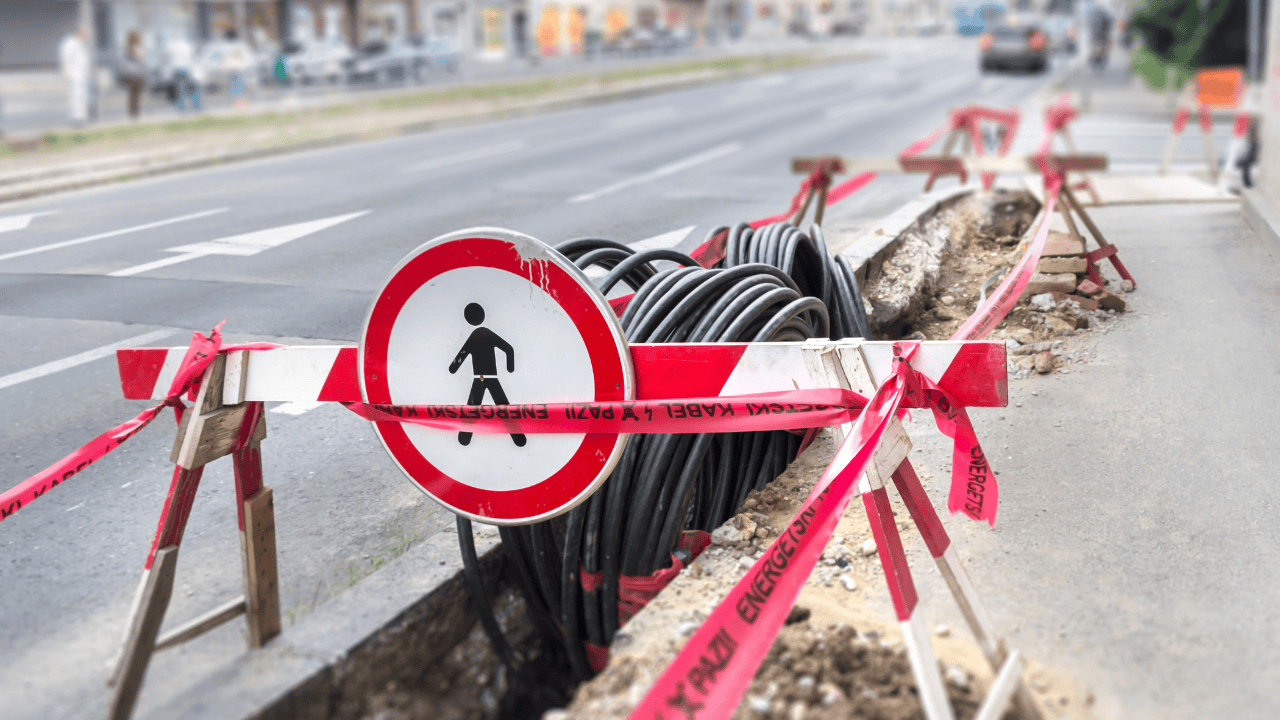
Buried electrical cables

Key Takeaways

  • Underground cable locating identifies buried cables, conduits, and pipes before excavation begins, preventing strikes, injuries, and project delays.
  • The three primary methods — Ground Penetrating Radar, Electromagnetic locating, and acoustic pipe detection — each detect different cable materials and serve specific use cases.
  • Modern underground cable locating equipment combines portable receivers, RD-series transmitters, RTK GPS, and battery-powered field tools that work across job-site conditions.
  • Reality capture, LiDAR technology, and BIM modeling are reshaping how underground cable locating data integrates with construction planning and clash detection.
  • Hiring a professional utility locating service delivers higher accuracy, full safety compliance, and documented utility mapping that protects projects from costly utility strikes.

Underground cable locating is the work of finding and mapping buried cables, conduits, and pipes before any excavation cuts into the ground. Every construction site, every fence installation, every utility upgrade depends on knowing what’s beneath the surface — and on the precision of the team that maps it. Power transmission lines, communication conduits, sewer systems, drain tile, water lines, and underground storage tanks all share the same buried space. A single missed line during digging can cause electrical shocks, fires, flooding, or large-scale outages, with the project bearing the full cost of repairs and damages.

Below, you’ll find a guide to the methods, tools, and safety procedures that define professional underground cable locating today. We cover the three primary detection techniques in active use, the equipment that supports them, the emerging role of 3D mapping and reality capture, and the reasons hiring an experienced utility locating service consistently outperforms DIY locating tools on any project where the cost of a strike matters.

Underground Cable Locating Prevents Strikes and Keeps Projects On Schedule

The single most important reason to invest in underground cable locating is hazard prevention. Hitting a buried cable or pipe during excavation creates immediate safety risks for everyone on site — electrical shock from a damaged power line, explosion or fire from a gas line strike, flooding from a water main rupture, or contamination from a punctured sewer system. Beyond the immediate hazard, a strike triggers extended project delays while the affected line is repaired, third-party utility customers are restored, and incident reports work through regulatory channels.

Damage data from the Common Ground Alliance’s annual DIRT Report shows that utility strikes during excavation cost the U.S. construction industry billions of dollars annually, with most strikes occurring on projects that either skipped locating entirely or relied only on free 811 marks for public utilities. The patterns behind preventable utility strikes follow a consistent shape: missing locates, missed private lines, or insufficient verification before digging.

The reverse pattern is equally consistent. Projects that combine an 811 call with a private cable locating sweep see strike rates fall to near zero. The locating cost is a fraction of the cost of even a single small-utility strike, and the documentation produced supports ground marking, compliance audits, and any later legal review.

For project managers and general contracting teams, the value extends beyond safety. Accurate underground cable locating gives the design team confidence to commit to a site layout, helps schedulers avoid last-minute rerouting around discovered utilities, and protects the project budget from the kinds of change orders that drain margins. Investing in cable locating before breaking ground is a measurable cost savings on almost every job.

Underground Cable Locating Methods: GPR, EM, and Acoustic Detection

Three detection methods do the bulk of underground cable locating work. Each method has a specific strength, and a skilled crew chooses among them based on the cable materials being traced and the site conditions encountered.

Ground Penetrating Radar (GPR)

GPR is the most flexible of the three methods. The system transmits radio waves into the ground and reads the reflections that bounce back from any subsurface object. Differences in material density, water content, and structure produce distinctive return signatures that an operator interprets in real time to identify buried cables and infrastructure.

The strength of GPR is its broad material coverage. Unlike electromagnetic detection, GPR finds both metallic and non-metallic targets — PVC pipe, fiber duct, plastic conduit, underground storage tanks, voids, and concrete-embedded rebar all return clear signatures. GPR also handles concrete scanning before drilling, which no other method can do without invasive testing. The platform our Ground Penetrating Radar service uses produces georeferenced output that maps directly into CAD and KML deliverables.

GPR’s main limitation is soil dependence. Wet or clay-heavy soils attenuate the signal, reducing effective depth. Saturated ground after heavy rain can reduce useful range significantly. Operators schedule GPR work for dry conditions where possible and document any range limitations in the final report.

Electromagnetic (EM) Locators

EM locators are the workhorse for metallic and conductive cables. The system pairs a radio frequency transmitter with a receiver — the transmitter pushes a signal onto the target cable through direct connection, an inductive clamp, or surface induction sweep, and the receiver picks up the signal at the surface as the operator walks the line.

EM equipment shines on electrical lines, steel gas pipes, metal water mains, and any non-metallic line that has tracer wire installed alongside it. The signal can be tuned with high precision, and an experienced operator pulls clean traces even on sites with multiple parallel cables by selecting non-overlapping frequencies and reading the receiver pattern carefully.

The limitation of EM locators is conductivity. PVC, HDPE, clay tile, and any other non-conductive line without tracer wire produces no signal and stays invisible. For these targets, the crew switches to GPR or to acoustic detection.

Acoustic Pipe Locators

Acoustic locators handle the non-conductive lines that EM cannot trace and that GPR sometimes struggles to identify in difficult soil. The system sends sound waves into the ground or into the line itself, and a sensitive receiver picks up the echo or vibration signature that identifies the line’s position.

Acoustic detection is particularly useful for Water Leak Detection Services where the sound of flowing or escaping water becomes a locating tool. Acoustic Leak Detection equipment combines pressurization techniques with surface listening sensors to pinpoint leaks on pressurized water lines with high accuracy. Acoustic methods also locate plastic drain tile and PVC drainage runs in conditions where GPR depth is limited.

The trade-off is environmental sensitivity. Surface noise from traffic, construction equipment, or wind can mask the signal. Heavy or compacted soils reduce signal travel. Acoustic detection works as a precision complement to GPR and EM, not usually as a standalone method.

Modern Tools and Equipment Used in Underground Cable Locating

The equipment side of underground cable locating has improved substantially in the last decade. A modern locating crew arrives on site with a stack of tools that didn’t exist a generation ago.

Portable cable and pipe locator technology. Modern receivers like the RD-series and similar platforms combine multiple detection modes — active EM, passive radio, VLF radio transmissions, and tracer wire pickup — into a single hand-carried unit. An RD Transmitter paired with the matching receiver runs from C-Cell batteries or AA Batteries, gives a full shift of battery life in the field, and includes an integrated alligator clamp for direct connection work and a coupler cable for tracer wire setups. An easy-to-carry system means crews can move quickly across a large site without dragging cables. Key specs to verify before any field deployment include power source compatibility, battery life under load, and frequency range.

Detectable fiberglass duct rod and wire tracer systems. When pipes need to be traced from a single access point, a detectable fiberglass duct rod with a built-in sonde pushes through the line interior. The duct rod broadcasts a known frequency that a surface wire tracer picks up at every point along the path. The technology handles non-metallic pipes that EM detection cannot reach.

Cable avoidance tools and passive scanning. Before active locating begins on a site, a cable avoidance tool runs passive radio sweeps to identify any active electrical lines or live signals already present. This passive utility detection step protects the crew from accidentally striking live power before any controlled locating begins.

Active vs. passive utility detection modes. Most modern locators support both modes. Active utility detection injects a signal onto a target cable through direct connection or induction sweep, then traces that specific frequency. Passive utility detection listens for naturally radiating signals from active utilities (60 Hz from energized power lines, telecom frequencies from active fiber) without injecting any signal. Active detection is more precise; passive detection is faster for an initial site walkthrough.

RTK GPS and ground marking. Survey-grade GPS captures each marked cable’s exact coordinates, which then export directly into digital utility maps. Ground marking with standard color paint and flags persists through the project window, and the GPS record protects against marks fading before excavation begins.

A crew well-trained on the orthogonal grid method — walking parallel lines across a site at a controlled spacing — sweeps a full property with this equipment stack in a few hours. For background signal interference issues or any technical difficulty encountered in the field, the locator coordinates with the equipment manufacturer’s support team for immediate assistance, then completes the sweep. Reference materials like the utility locating methods for underground electrical lines guide walk through the underlying signal mechanics in more detail.

Reality Capture and 3D Mapping in Underground Cable Detection

The newest layer of underground cable locating technology connects the locator’s surface marks to a full 3D model of the site. Reality capture pairs locating data with overhead and ground-based scanning to produce a Point cloud dataset that documents both above-ground and below-ground infrastructure.

Reality capture relies on Laser scans and LiDAR technology. A site is scanned from multiple angles, producing a Point cloud — millions of measured points representing every visible surface. The locating crew adds the subsurface layer by tagging each marked cable position into the same coordinate system. The combined dataset feeds into BIM modeling platforms and Revit models that engineers and architects use during design.

Clash detection is the practical application. When a design team plans a new building, a parking deck, or a utility upgrade, the BIM model checks the planned infrastructure against the located underground cables to flag any conflicts before construction starts. A piling location that would hit a gas line, a foundation that would cross an existing water main, a trench that would clip a fiber bundle — all flagged on the screen, not in the field.

Util-Locate’s utility mapping deliverables integrate with this workflow. CAD drawings, KML files, and georeferenced data from the field locating sweep export directly into BIM and reality capture pipelines, giving design teams a foundation of accurate subsurface data they can rely on. Combined with Video Pipe Inspection records of internal pipe condition, the design team has a near-complete picture of subsurface infrastructure before any work begins.

Safety Standards and Excavation Practices for Cable Locating

Underground cable locating is a safety discipline. Every locator who steps onto a site carries the responsibility of identifying hazards before they become incidents. The professional standard of practice involves a layered set of safety precautions and procedures.

Personal Protective Equipment (PPE). Every locator wears safety equipment matched to the site — high-visibility clothing, hard hats, gloves rated for the conditions, and steel-toe boots. Eye Protection is mandatory in any work that involves potential debris, signal transmitter sparks during direct connection, or hot weather glare that affects depth-of-field judgment on equipment screens.

Tolerance zone discipline. Once cables are marked, excavation crews observe a tolerance zone — typically 18 to 24 inches on either side of the marked line — within which mechanical equipment is replaced by hand tools or vacuum excavation. The tolerance zone is the practical buffer that absorbs locating-tool margin of error and prevents inadvertent strikes during digging.

Color-coded ground marking. Surface marks follow the standard utility marking colors that every excavation crew is trained to read — red for electric, yellow for gas, orange for telecom, blue for water, green for sewer, with additional colors for private utilities.

811 call coordination. Every job starts with an 811 call to the regional 811 system, which dispatches the public utility companies to mark their own lines. The private locator coordinates the timing so that public marks are placed before the private sweep begins, producing a complete picture of every cable and conduit on site in a single workflow.

Compliance with safety standards. OSHA standards, state regulations, and the Common Ground Alliance’s published procedures all govern how locating work is performed. Documenting compliance — through field notes, photo records, GPS-tagged marks, and Quality Level designations under ASCE 38 — protects the project from regulatory exposure and supports any post-incident review.

The societal impacts of consistent safety practice are real. Every avoided strike means fewer service interruptions, fewer injuries to workers and community members, and a smaller environmental footprint. Cable locating done right is a contribution to public safety, not just project safety.

Hiring a Professional Underground Cable Locating Service

DIY locating tools exist, and for very small projects on simple properties they may be sufficient. For any project where the cost of a strike would exceed a few hundred dollars, however, professional underground cable locating consistently outperforms self-service alternatives.

Accuracy. A trained professional using calibrated equipment reaches a 97% accuracy rate on the lines identified. Consumer locators don’t approach this — they typically miss non-metallic lines entirely and produce imprecise depth readings on the lines they do find.

Equipment range. A professional crew brings a complete equipment stack — GPR, EM, acoustic, vacuum excavation, RTK GPS — rather than a single consumer locator. Different cables need different tools, and a professional has the right tool for each.

Compliance documentation. Working with a professional locator produces documented records that support 811 compliance, insurance claims, regulatory audits, and any post-project review. Self-locating produces nothing more than paint marks on the ground.

Liability protection. When a professional locator misses a line and a strike occurs, insurance frameworks generally cover the loss. When a DIY operator misses a line, the loss falls entirely on the property owner or contractor.

Time savings. A trained locating crew sweeps a typical residential property in under four hours. A homeowner working with a consumer locator could spend a weekend on the same site and still miss most of the non-metallic cables.

For any project involving general contracting, utility work, fence installation, or excavation in any form, hiring a professional underground cable locating service is the responsible choice.

Schedule a Util-Locate Service for Underground Cable Locating

Two decades of underground cable locating across California and Arizona have shown us one consistent truth: the projects that go smoothly are the ones where every cable was located before the first cut. Util-Locate’s certified technicians work to ASCE-compliant standards and deliver real-time on-site data with CAD, KML, and PDF documentation for every project. We respond 24/7 across Los Angeles, San Diego, Orange County, Riverside, San Bernardino, Ventura County, the San Francisco Bay Area, and Arizona.

Call 1-888-885-6228 to speak with a locating specialist, or request a quote for your next project. Whether you need a single-utility trace, a full subsurface utility survey, or emergency response for a damaged line, we have the team and the equipment ready.

Frequently Asked Questions

What is underground cable locating and why does it matter?

Underground cable locating is the work of finding and mapping the buried cables, pipes, and conduits on a property before any excavation starts. The work prevents utility strikes that cause shocks, fires, floods, and outages, and it protects projects from the costs of damage repair and service disruption. Even a small fence or landscaping project benefits from a locate because the most commonly struck lines are usually the ones the property owner didn’t know existed. Investing in a professional underground cable locating service is one of the lowest-cost safety steps available on any digging project.

Which underground cable locating method is most accurate?

The three primary methods — GPR, EM, and acoustic — each have specific strengths. Electromagnetic locating with direct connection produces the most precise readings on conductive lines like electrical cables and metallic pipes. Ground Penetrating Radar handles non-conductive lines and concrete scanning. Acoustic detection works well for plastic drain tile and water leak detection. A professional cable locating service combines all three on a typical site to produce the most complete and accurate map.

Can underground cable locating find every buried utility?

Modern underground cable locating with combined EM, GPR, and acoustic methods reaches a 97% accuracy rate on the lines it identifies. The remaining 3% involves lines with broken tracer wire, deeply buried plastic mains, or conditions where soil composition limits signal penetration. Vacuum excavation verification can take accuracy to 100% on critical lines by physically exposing them for visual confirmation. The combination of surface methods plus targeted verification produces Quality Level A data under ASCE 38 standards.

What equipment does a professional underground cable locator carry?

A professional crew typically arrives with multiple EM locators (RD-series receivers, transmitters with alligator clamps and coupler cables), a Ground Penetrating Radar unit, a sonde and detectable fiberglass duct rod for non-metallic pipes, a cable avoidance tool for passive radio scanning, RTK GPS for survey-grade positioning, and vacuum excavation equipment for Quality Level A verification when required. Battery-powered units that run on AA Batteries, C-Cell batteries, or 9V battery packs cover most field needs without external power.

How does underground cable locating integrate with construction planning?

Modern underground cable locating outputs feed directly into construction planning workflows. CAD deliverables and KML files from the field sweep import into BIM modeling platforms, where clash detection identifies conflicts between planned construction and existing utilities. Reality capture pairs Laser scans and LiDAR technology with subsurface locating data to produce a complete 3D model of the site, used in Revit models and digital design tools throughout the project lifecycle.
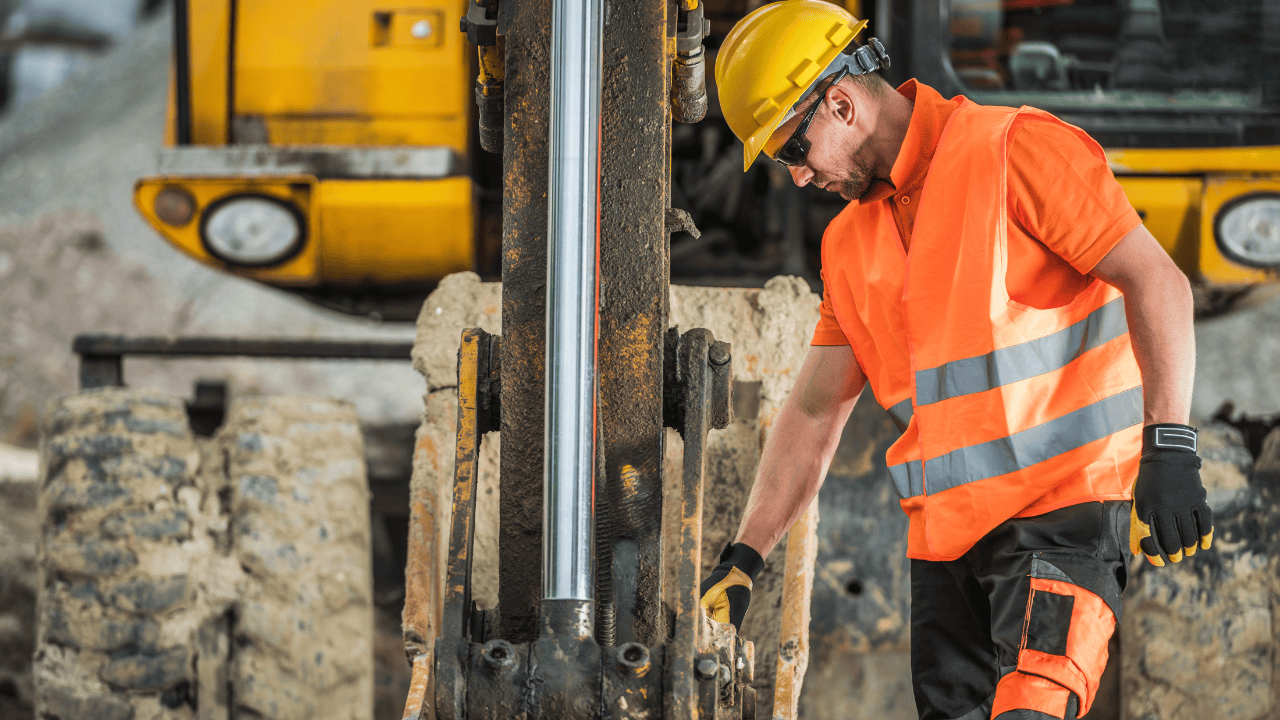
Vacuum Excavation: Specific Applications and Advantages

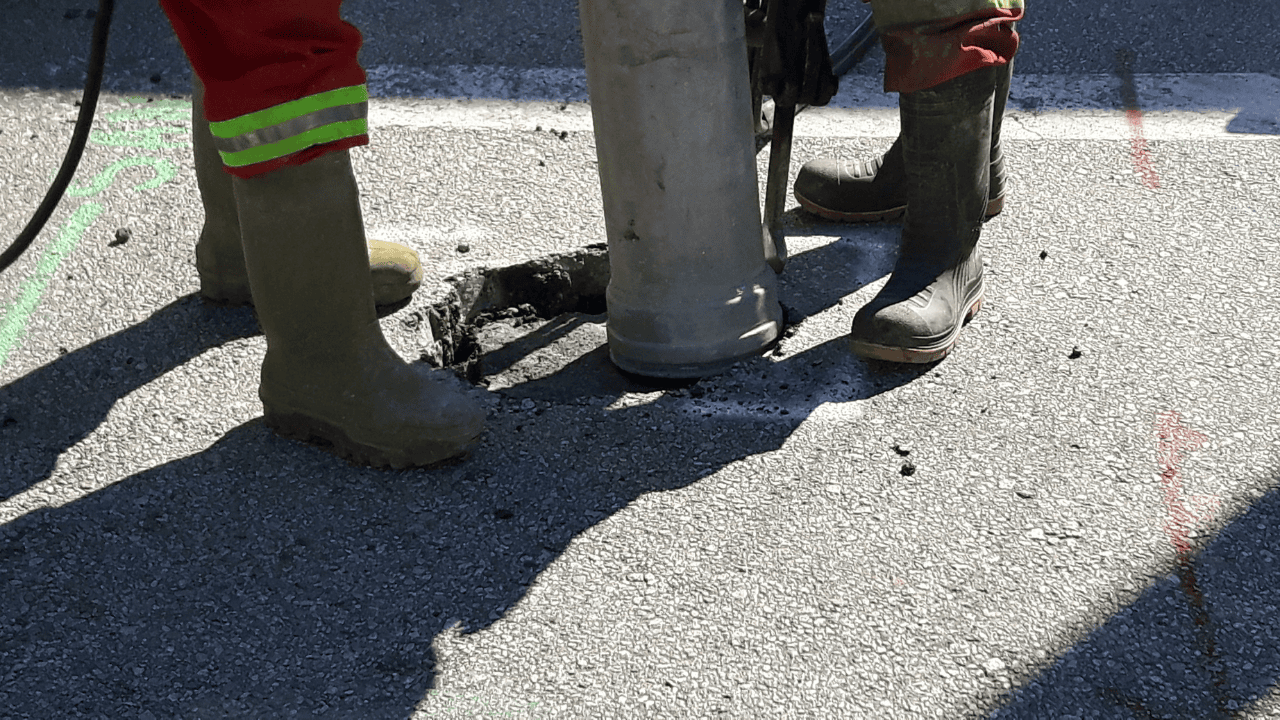
use vacuum excavation. It's safe for utilities

Key Takeaways

  • This method uses a vacuum truck. It has a high-pressure water jet and strong suction. It can dig safely and efficiently. It’s ideal for precise digging and minimizing the risk of damage.
  • Vacuum excavation is best for utility potholing. It reduces the risk of damaging underground utilities. The controlled process enhances safety and accuracy in utility locating.
  • It’s commonly used for exposing utility lines, inspecting and repairing pipelines, trenching for new utilities, and site preparation for construction projects.
  • Vacuum excavation is faster, less disruptive, and safer compared to traditional digging methods. It’s particularly useful for working in sensitive or challenging conditions.
  • The use of vacuum excavators, high-pressure water, and techniques like slot trenching and air excavation allow for effective handling of various soil conditions, including frozen and dry soils.
  • Despite common misconceptions, vacuum excavation can be cost-effective. It has a lower risk of damage and fewer repairs. This makes it a good investment for both large and small projects.
  • Vacuum excavation is crucial for accurate underground utility locating in California, providing a reliable method to manage complex utility networks and construction needs.
  • Professional utility locators and vacuum excavation experts ensure precise and safe digging, making them essential for successful excavation projects.

Vacuum excavation is a low-profile technique. But it makes a big difference behind the scenes. For precise holes, use vacuum excavation. It’s safe for utilities.

Let’s understand what it is, how it works, and why it’s such a game changer in the world of digging and utility locating.

What is Vacuum Excavation?

Vacuum excavation is a digging method. It uses a powerful vacuum to remove soil and debris. It’s simple: a vacuum truck sucks up the dirt. High-pressure water loosens it. This approach is great for sensitive areas, like underground utilities. Traditional methods could damage them.

Why Use Vacuum Excavation?

So, why should you consider vacuum excavation over other methods?

  • Safety First: One of the biggest advantages is safety. Vacuum excavation is less likely to damage existing utilities because it’s more controlled. This means fewer accidents and less chance of hitting something you shouldn’t.
  • Precision and Accuracy: If you need to find and expose specific utilities, this method is spot on. It’s perfect for utility potholing. You need to locate and expose utilities without disturbing the area.
  • Less Mess: Traditional excavation can leave a mess. But, vacuum excavation is cleaner. The vacuum system sucks dirt and debris into tanks. It leaves less cleanup work.
  • Reduced Environmental Impact: Vacuum excavation is less invasive. So, it’s better for the environment. It minimizes soil disturbance, which is great if you’re working in sensitive areas.

Specific Applications of Vacuum Excavation

Vacuum excavation isn’t just a fancy tool. It has real uses that make it a go-to for various tasks.

  • Utility Potholing: When you need to expose underground utilities, vacuum excavation is ideal. It helps find the exact locations of utility lines and cables without damaging them. This is crucial for accurate utility locating and ensuring safe digging practices.
  • For pipeline inspection or repair, use vacuum excavation. It exposes the area with minimal disruption. It’s a cleaner and safer way to get to the problem.
  • Trenching for New Utilities: When installing new utilities, vacuum excavation allows for precise and safe trenching. You can dig narrow trenches with confidence. You’re less likely to damage existing infrastructure.
  • Site Preparation: Before starting any construction projects, vacuum excavation can be used to prepare the site by removing topsoil and exposing utilities.

Advantages Over Traditional Digging Methods

Traditional digging methods, like using backhoes or shovels, have drawbacks. They have their place, but they aren’t perfect. Here’s how vacuum excavation stacks up:

  • Faster and More Efficient: Vacuum excavation can be quicker than old methods, especially in complex sites. The combination of water and suction speeds up the excavation process.
  • Less Disruption: Traditional digging may cause more damage than intended. Vacuum excavation is gentler on the surroundings. It reduces the risk of damage and the need for repairs.
  • Improved Safety: Traditional methods can be risky if you’re unsure of what’s underground. Vacuum excavation is safer. It minimizes the risk of hitting unseen utilities.

How Vacuum Excavation Works

The process involves a vacuum truck equipped with a powerful vacuum system. A high-pressure water jet is used to loosen the soil, which is then sucked up into the vacuum excavator. The vacuum truck has a holding tank where the debris is collected. This setup is effective even in challenging conditions like frozen soils or dry soil.

Slot trenching and air excavation are vacuum excavation techniques. They create narrow trenches or expose areas without much digging. These methods are great for installing fiber optics and other delicate utilities.

Common Misconceptions About Vacuum Excavation

Some myths about vacuum excavation might make you hesitant. Let’s clear them up:

  • It’s Too Expensive: Some think vacuum excavation is costly. But its safety and efficiency often make it cheaper in the long run. Fewer accidents and less damage can save you money.
  • It’s Only for Big Projects: Vacuum excavation is for big projects, but it’s also good for small jobs. Whether you’re a homeowner or a contractor, this method can be adapted to fit your needs.
  • It’s Not Always Accurate: With the right tools and skills, vacuum excavation is very accurate. It’s a trusted method for finding and exposing utilities without causing harm.

Utility Locating in California: How Vacuum Excavation Fits In

In California, utility locating is crucial due to many underground utilities. So, vacuum excavation plays a vital role. Utility locating services often use this method for its effectiveness and low risk.

Vacuum excavation ensures smooth work with both old and new sites.

Utility Locators and Their Role

Utility locators are pros. They use tools to find underground utilities. They might use radar, electromagnetic tools, or even old-school methods. However, vacuum excavation complements their work. It reveals what’s below the surface. It’s an essential part of the puzzle for accurate and safe utility locating.

Why Choose Vacuum Excavation?

Let Util-Locate Handle Your Next Project!

Vacuum excavation is a powerful tool for digging with precision and safety. Its ability to safely expose underground utilities, minimize mess, and reduce environmental impact makes it a preferred choice in many situations. Whether you’re dealing with utility potholing or preparing a site, this method offers a range of benefits that can make your job easier and more efficient.

For reliable utility locating, contact Util-Locate. We locate underground utilities in California. Our expertise in vacuum excavation technology ensures that your project runs smoothly and safely. Contact us today to learn more about how we can assist with your next excavation project!

Which Sectors Benefit From Vacuum Excavation?

benefits from vacuum excavation

Key Takeaways

  • Vacuum excavation is a non-destructive method. It uses high-pressure air or water to safely locate underground utilities. This reduces the risk of damage and increases precision.
  • This technology benefits many industries, including construction, municipalities, oil and gas, telecommunications, electrical utilities, environmental projects, agriculture, and transportation.
  • Hydro Excavation is a popular method of vacuum excavation. It uses high-pressure water to break up soil. It works well in tough conditions, such as frozen ground.
  • Vacuum excavation can be adapted for extreme conditions, like frozen soil. Using heated or hot water can help with the digging.
  • Unlike conventional digging, vacuum excavation is less disruptive. It disturbs traffic, public spaces, and infrastructure. So, it’s a quicker, cleaner solution.
  • The technology ensures precise digging around sensitive utilities. It reduces the risk of accidents and costly repairs.
  • Vacuum excavation is a versatile method. It improves safety and efficiency in locating and maintaining utility lines, such as gas, electric, and water.

“Vacuum excavation” may sound complex. But, it’s a smart, non-destructive way to dig and find underground utilities. High-pressure air or water breaks up the soil, which is then vacuumed up. 

This method is safer and more precise than traditional digging. It reduces the risk of damaging important utility lines. So, who exactly benefits from vacuum excavation? Let’s understand the industries that are using this technique to get the job done right.

Industries That Benefit From Vacuum Excavation Services

Various industries benefit from vacuum excavation. Its non-invasive nature makes it a valuable tool in any sector requiring precise, low-impact excavation.

Construction Industry

First up is the construction industry. For a new office tower or housing project, it’s vital to know where utilities are buried. Vacuum excavation helps contractors safely expose underground utilities like water lines, electrical cables, and gas lines. This method avoids the risk of hitting utilities. That could cause costly repairs, delays, or accidents.

In construction, time is money, and vacuum excavation saves both. It’s quicker and cleaner than traditional digging methods. It leaves less mess to clean up. Plus, it’s much safer for the crew on-site because there’s less risk of striking an underground utility. It’s no wonder that more construction firms are using utility locating and vacuum excavation to speed up their projects.

Municipalities and Public Works

Cities and towns rely on underground utility-locating services. They need them to maintain and upgrade public infrastructure. Vacuum excavation is a go-to tool for public works teams. They use it to repair water mains and to install new sewer lines. They also use it to upgrade communication networks. It lets them safely dig near sensitive areas without damaging utility lines.

Another huge advantage is the reduced traffic disruption. Traditional digging can leave roads and sidewalks torn up for days or even weeks. However, vacuum excavation is quicker and less invasive. So, streets and public spaces can return to normal faster. For municipalities looking to complete projects efficiently while keeping disruption to a minimum, vacuum excavation is the answer.

Oil and Gas Industry

The oil and gas industry also benefits greatly from vacuum excavation. When drilling for oil or laying pipelines, it is vital to know where the underground utilities are. This helps avoid accidents. Utility locators are often called in to ensure the area is safe before any heavy equipment is brought in.

Vacuum excavation is vital for oil and gas companies. It prevents damage to existing utility lines during their operations. It helps them avoid dangerous leaks or even explosions, making the process much safer for everyone involved. Also, it’s a faster, more efficient method. It lets companies finish projects on time while keeping them safe.

Telecommunications

In today’s connected world, telecommunications infrastructure is more important than ever. Telecom companies are upgrading and expanding fiber optic networks. They must avoid damaging existing utilities when digging new trenches for cables. This is where vacuum excavation shines.

Vacuum excavation lets telecom companies safely expose underground cables. It does so without damaging the cables. It’s useful in cities where space is tight. Utilities are buried close together. Vacuum excavation ensures new fiber optic work won’t damage existing communication lines.

Electrical Utilities

When it comes to maintaining or installing electrical lines, precision is key. Hitting a live power line while digging can cause outages. It also poses safety risks to workers. So, electrical companies use utility locating services and vacuum excavation. They need to know where existing lines are before digging.

Vacuum excavation lets workers safely expose electrical lines. There is no risk of damaging them. This method is also faster and more efficient than traditional digging. So, it means less downtime and quicker repairs or installations. For electrical utility companies, vacuum excavation is a no-brainer.

Environmental Projects

Environmental projects often require a delicate touch. Vacuum excavation lets environmental teams dig without harming the area. It is vital for cleaning contaminated soil and researching underground water sources. It’s a non-invasive way to get the job done while preserving the environment.

For example, traditional digging can spread harmful chemicals on a contaminated site. Vacuum excavation minimizes this risk by carefully removing the soil without disturbing it. Environmental teams rely on this technology to keep their projects safe and efficient.

Agriculture

You may not think of agriculture as related to vacuum excavation. But, farmers and ranchers often deal with underground utilities, like irrigation pipes and water lines. Traditional digging methods can be too aggressive and risk damaging these vital systems. Vacuum excavation lets farmers find and fix utilities safely. It won’t disrupt their crops or livestock.

This method is especially useful in areas with dense soil or rocky ground, where traditional digging methods may not be effective. Farmers who use utility locating services can avoid costly repairs. This keeps their operations running smoothly.

Transportation

The transportation sector, especially railroads and highways, also sees the benefits of vacuum excavation. It’s crucial to know the exact location of underground utilities when doing maintenance or expansions. This avoids service disruptions or accidents. Utility potholing is often used to verify the location of utilities before digging.

Vacuum excavation lets transport teams safely expose utilities. It causes minimal disruption to traffic and rail services. It’s a quick and non-invasive method that helps ensure projects are completed on time and within budget.

The Role of Hydro Excavation

One of the most popular forms of vacuum excavation is Hydro Excavation, which uses high-pressure water to break up soil. This technique is especially useful in areas with difficult soil conditions or even frozen ground. In these cases, traditional digging can be nearly impossible. But, Hydro Excavation gets the job done smoothly.

It’s a precise excavation method. So, it’s ideal where utilities are close together, like gas lines and electrical cables. The high-pressure water breaks up the soil, and a vacuum removes it, ensuring that underground utilities remain intact.

Working in Extreme Conditions

Sometimes, projects need to be completed in harsh environments, like during winter when you’re dealing with frozen soil. In these cases, heated water or hot water can be used with hydro excavation to safely melt and remove the ground.

This is a game changer in colder climates, where traditional digging methods can take much longer and be less effective.

Why Util-Locate is the Best Choice for Vacuum Excavation

At Util-Locate, we provide vacuum excavation and utility locating in California. We serve a wide range of industries. Whether you’re in construction, telecommunications, or agriculture, we’ve got you covered.

Our expert team uses advanced equipment to locate underground utilities. It ensures your project runs smoothly from start to finish. When it comes to precision and safety, you can trust us to get the job done right. Contact Util-Locate today to learn how we can help with your next project!

How Vacuum Excavation Minimizes Traffic Disruption During Roadworks

dealing with underground utilities

Key Takeaways:

  • Vacuum excavation is a faster, cleaner, and safer method for digging during roadworks, helping to reduce traffic delays.
  • This technique minimizes damage to surrounding areas, speeding up cleanup and road reopening.
  • Vacuum excavation for utility potholing safely exposes underground utilities. This prevents accidents and delays.
  • Underground utility locating is vital. It avoids damaging gas lines, water pipes, and electric cables. This keeps road projects on track.

Vacuum excavation is great for utility locating in California. Heavy traffic and complex infrastructure make quick, safe roadwork essential.

Dealing with roadworks can be a huge hassle, especially when it leads to major traffic delays. You’re driving along, and suddenly, you hit a line of cars backed up because a construction crew is digging up the road. It feels like a constant issue, especially in busy areas.

Luckily, vacuum excavation is changing roadwork. It’s reducing disruptions and improving traffic flow. This technology is not only more efficient but also safer. It is better for dealing with underground utilities and sensitive infrastructure.

What is Vacuum Excavation?

Before discussing its benefits for traffic, let’s define vacuum excavation. In simple terms, it is a method where vacuum excavators use high-pressure water or air excavation to loosen soil and then suck it up into a holding tank. This method is cleaner and more precise than traditional ones. Those often involve big machines tearing up large chunks of ground.

Vacuum excavation technology is beautiful. It cuts the mess, speeds up digging, and lowers the risk of hitting underground utility lines, like gas pipes and electric cables. That’s why it’s widely used in utility locating services, where knowing exactly where things are buried is critical.

How Vacuum Excavation Minimizes Traffic Disruption

When it comes to roadwork, time is everything. The quicker the job gets done, the faster traffic can return to normal. Vacuum excavation lets crews work faster. This means fewer road closures and less traffic backup.

1. Faster and More Efficient

Traditional digging methods take longer because they’re less precise and require more cleanup. Vacuum excavators speed up excavation. They can target where to dig, removing only the soil that needs to be moved. This efficiency lets construction crews finish projects faster. It helps keep lanes open and reduce traffic jams.

2. Reduced Risk of Damage

A major concern during roadworks is damaging underground utility lines. Hitting a gas line or electrical cable can be dangerous. It can also halt the project while repairs are made. Vacuum excavation is more precise than traditional digging. So, it lowers the risk of damage. Crews can gently expose utility lines using high-pressure water or air excavation. It won’t harm the lines.

3. Cleaner Work Environment

Another advantage of vacuum excavation is how clean it keeps the worksite. Traditional digging methods often leave dirt and debris scattered around. This can slow cleanup and delay reopening the road. Vacuum excavation sucks all the soil into a holding tank. This leaves the area cleaner and helps the crew finish their work quickly. This helps avoid obstacles for vehicles in construction zones.

The Importance of Utility Potholing

When it comes to roadwork, one key step is making sure you know where all the underground utilities are before digging. This is where utility potholing comes in. Crews use vacuum excavation to dig small, precise holes, exposing the underground utility lines. This allows them to see exactly where things like gas pipes, water lines, and electrical cables are, reducing the risk of accidental damage.

Vacuum excavation for utility potholing lets crews quickly find utilities. It does this without disturbing the surrounding area. This precision means they don’t have to dig up large sections of the road, which keeps traffic flowing better and prevents unnecessary lane closures.

How Soil Type Affects Excavation

The type of soil at a worksite can impact how roadworks are carried out. For example, dry soil might require more water pressure to loosen, while softer soils might need less. Vacuum excavators are versatile. They let workers adjust their approach based on the soil type, whether compacted dirt or loose gravel. This flexibility makes the entire process more efficient and ensures that the crew can adapt to different conditions without slowing down the project.

Underground Utility Locating and Vacuum Excavation

In major roadworks, it’s not enough to just dig up the ground and hope for the best. Crews need accurate information about what lies beneath the surface. That’s why underground utility locating is crucial. Using utility maps helps, but these aren’t always completely accurate. By combining vacuum excavation with underground utility locating methods, crews can pinpoint the exact locations of utility lines, ensuring that they don’t accidentally hit something vital.

This combination of vacuum excavation technology and utility locating services not only speeds up the process but also makes it much safer. In places like California, where traffic is already a nightmare, keeping things moving is a top priority. Utility locating in California often relies on vacuum excavation for this very reason—it helps avoid costly mistakes and keeps road closures to a minimum.

Why Utility Companies Rely on Vacuum Excavation

For utility companies, maintaining and repairing underground infrastructure is a constant challenge. They need methods that are safe, efficient, and won’t disrupt service for long periods. Vacuum excavation fits this need perfectly because it allows crews to safely expose and work on utility lines without damaging them. Whether it’s dealing with utility poles, electrical cables, or gas lines, this method ensures that the infrastructure stays intact and work gets done faster.

Construction Crews Benefit from Vacuum Excavation

For construction crews, the shift from traditional methods to using vacuum excavation technology has been a game changer. Not only does it make their work safer, but it also speeds up the entire process. They can dig with greater accuracy, expose underground utilities without damage, and keep the surrounding area cleaner. Plus, using methods like hot water to loosen stubborn soil or debris makes the job even more efficient.

Why Choose Util-Locate?

If you’re looking for a way to minimize traffic disruptions during roadworks, Util-Locate has the solution. Our vacuum excavation and utility locating services provide a faster, safer, and more efficient way to handle projects, ensuring that your work gets done with minimal impact on traffic. 

Whether you’re dealing with highways, busy city streets, or smaller roads, our experienced team can help keep things moving smoothly. Let us handle your next project and see how we can make roadwork easier and faster for everyone.

Environmental and Safety Benefits of Vacuum Excavation in Urban Construction

utility damage

Key Takeaways:

  • Vacuum excavation is an eco-friendly alternative to traditional digging. It causes less soil disruption and minimizes environmental damage in urban areas.
  • It cuts the carbon footprint by reducing the need for heavy machinery. This leads to fewer emissions during construction.
  • Utility locating services paired with vacuum excavation protect underground utilities like gas lines and water pipes, preventing hazardous accidents and environmental harm.
  • The process is more efficient. It creates less waste and conserves resources like water. This is especially beneficial in places like California.
  • Vacuum excavation improves air quality. It reduces dust and noise pollution, creating a cleaner, safer environment for workers and residents.

Urban construction has fueled city growth, but it harms the environment. Traditional street and land digging often causes air pollution, utility damage, and waste. Fortunately, technology is changing how things are done. One eco-friendly method is vacuum excavation.

This post will explore how vacuum excavation works. It will also look at its environmental benefits for urban construction. If you’re unfamiliar with this method, you’re in the right place. It can help the planet while keeping projects on track.

What Is Vacuum Excavation?

Before diving into the environmental benefits, let’s quickly cover what vacuum excavation is. Vacuum excavation uses a high-powered vacuum to remove soil from the ground. It is better than traditional methods, which use large machines like backhoes.

A small hole is made, and then air or water is used to break up the soil, which is sucked up into the vacuum. This process is precise and minimizes the risk of damaging underground utilities. Utility potholing is a common use for vacuum excavation. It helps to locate buried cables, pipes, and other essential infrastructure.

Less Soil Disruption

A key advantage of vacuum excavation is that it disturbs the soil less than traditional methods. When you dig using an excavator, you’re moving a lot of earth around, which can lead to more erosion and damage to the surrounding area. By using a vacuum, you can target specific spots and remove only what’s necessary.

It disturbs fewer trees, plants, and ecosystems. So, it’s a better option for urban areas with limited green spaces. Keeping the land intact can reduce the impact on local wildlife and natural habitats.

Reducing Carbon Footprint

Traditional digging methods need large, fuel-powered machines. They emit pollutants that harm the air and climate. Using vacuum excavation, construction teams can reduce the number of machines on-site. This will lower their carbon footprint.

Vacuum excavation is faster and more efficient. So, machines run less, which cuts emissions. In cities where air quality is already a concern, this makes a big difference.

Protecting Underground Utilities

Another key benefit is the protection of underground infrastructure. Utility locating services are often used with vacuum excavation. They find pipes, cables, and other utilities that traditional digging might hit.

Hitting these utilities during construction can cause spills, gas leaks, or power outages. Not only is this dangerous for the environment, but it can also cause disruptions for nearby residents and businesses.

By combining underground utility locating with vacuum excavation, contractors can avoid these issues, keeping cities running smoothly and preventing environmental harm.

Less Waste, More Efficiency

With vacuum excavation, there’s also less waste to deal with. Traditional methods often involve digging up large amounts of dirt. It must be transported off-site and disposed of. This adds to the overall environmental impact of a project.

In contrast, vacuum excavation is more precise, creating less waste overall. We can often reuse the removed soil. This cuts the need for new materials and reduces debris to haul away.

Water Conservation

Construction methods like utility potholing and excavation can use a significant amount of water, especially when large machines are involved. With vacuum excavation, however, much less water is needed. This is because the process relies more on air pressure and suction. It does not constantly spray water to break up the soil.

In areas like California, where water is a precious resource, using less water for construction projects is a major benefit. Utility locating in California can be done in a way that conserves water and protects the surrounding environment.

Improving Air Quality

One often overlooked issue in construction is its impact on air quality. Traditional excavation methods kick up a lot of dust and debris, which can harm the health of workers and nearby residents.

With vacuum excavation, the process is much cleaner. The soil is sucked directly into the vacuum, keeping dust to a minimum. This helps improve air quality and creates a safer work environment for everyone involved.

Easier on the Environment in Urban Areas

Urban areas are particularly sensitive to environmental disruption. Streets are full of people, cars, and businesses, so keeping the noise and mess to a minimum is important. Vacuum excavation is a quieter, cleaner alternative to traditional digging. It reduces noise, pollution, and dust.

Vacuum excavation is more precise. So it avoids unnecessary road and sidewalk damage. This helps reduce the overall environmental impact of the project and makes it easier to restore the area to its original condition once the work is done.

Long-Term Sustainability

When we think about sustainability in construction, we often focus on the materials used in the buildings themselves. However, the methods used to build those structures also play a major role in long-term sustainability.

By choosing eco-friendly methods like vacuum excavation, construction companies can reduce their impact on the environment. This not only benefits the planet but also shows that the industry is moving toward more responsible practices.

How Vacuum Excavation Supports Utility Locating

One of the most important steps in any construction project is knowing where underground utilities are located. Utility locating services help identify where things like gas lines, water pipes, and electrical cables are buried.

Vacuum excavation works hand-in-hand with utility locators by safely exposing these utilities without causing damage. This means fewer accidents, fewer delays, and a safer construction site overall. Plus, it minimizes the risk of environmental hazards like oil spills or gas leaks.

Better for Urban Growth

As cities grow, efficient, eco-friendly construction methods are vital. Utility locating in California is a big part of this, as the state continues to develop new infrastructure while also preserving its natural resources.

Using vacuum excavation for utility locations helps urban growth happen in a way that’s sustainable and less harmful to the environment. For laying new water pipes, electrical lines, or telecom cables, vacuum excavation is a better option. It is cleaner and more precise.

Why Choose Util-Locate for Your Next Project

At Util-Locate, we specialize in providing utility locating services and vacuum excavation solutions that minimize environmental impact while keeping projects on schedule. With our advanced technology and experienced team, we can help you avoid costly mistakes and protect the environment at the same time.

Whether you’re working on a small project or a large-scale urban development, we’re here to provide the eco-friendly solutions you need. Contact Util-Locate today to learn more about how we can help with your next construction project!

The Role of Utility Locating Services in the Utilities Industry (Water, Gas, and Electricity Sector)

utility locating services play a crucial role

Key Takeaways:

  • Utility locating is crucial for preventing accidents, reducing costs, and ensuring the smooth operation of utility networks.
  • Professional utility locating services offer expertise, specialized equipment, and regulatory compliance.
  • Accurate utility location is essential for safety, efficiency, and regulatory compliance in the utilities industry.
  • Investing in professional utility locating services can provide significant long-term benefits.
  • Util-Locate offers comprehensive utility locating solutions tailored to the needs of the utilities industry.

In our modern world, the utilities industry forms the backbone of our daily lives, providing essential services that power our homes, fuel our industries, and connect our communities. However, beneath the surface lies a complex network of pipes, cables, and conduits that demands careful management and protection. This is where utility locating services play a crucial role, safeguarding both infrastructure and human lives.

The Critical Role of Underground Utility Locating

The utilities industry encompasses a vast array of services, including electricity, water, gas, and telecommunications. As our cities grow and evolve, so too does the intricate web of underground infrastructure that supports these vital services. Utility locating has become an indispensable practice in this ever-changing landscape, helping to prevent accidents, reduce costs, and ensure the smooth operation of utility networks.

In this comprehensive guide, we’ll explore the critical role that utility locating services play in the utilities industry in California. We’ll delve into the importance of the utilities sector, discuss how utility locating keeps operations safe, and examine why investing in professional utility locating services is not just beneficial but essential in today’s complex urban environments.

Utilities Industry and Its Importance

The utilities industry is the lifeblood of modern society, providing the essential services that power our daily lives and fuel economic growth. Let’s break down the key components of this vital sector:

Electricity

From powering our homes to running industrial machinery, electricity is the driving force behind modern civilization. The electrical grid is a marvel of engineering, comprising power plants, transmission lines, and distribution networks that work in harmony to keep the lights on.

Water and Wastewater

Clean water is a fundamental human need, and the water utility sector ensures its safe delivery to our taps. Equally important is the wastewater system, which protects public health and the environment by safely treating and disposing of sewage and stormwater.

Natural Gas

Natural gas plays a crucial role in heating homes, powering industrial processes, and increasingly, generating electricity. The gas utility network consists of pipelines that transport this valuable resource from production sites to end users.

Telecommunications

In our interconnected world, telecommunications utilities are more important than ever. From traditional phone lines to high-speed fiber optic networks, these systems keep us connected and information flowing.

The smooth operation of these utilities is essential for public safety, economic prosperity, and quality of life. However, as much of this infrastructure is buried underground, maintaining and expanding these networks presents unique challenges. This is where telecom line utility locating services become invaluable.

Keeping Operations Safe in the Utilities Sector

Safety is paramount in the utilities industry, where accidents can have severe consequences for workers, the public, and the environment. Utility locating plays a crucial role in maintaining this safety. Here’s how:

Preventing Excavation Accidents

One of the most significant risks in the utilities sector is accidental damage to underground infrastructure during excavation. A single misplaced dig can result in:

  • Service disruptions affecting thousands of customers
  • Dangerous gas leaks or electrical hazards
  • Costly repairs and potential legal liabilities

Utility locating services help mitigate these risks by accurately identifying and marking underground utilities before any excavation begins.

Facilitating Maintenance and Repairs

When utilities require maintenance or repair, knowing the exact location of underground infrastructure is crucial. Utility locators use advanced technologies to pinpoint the location of buried utilities, allowing maintenance teams to:

  • Plan their work more effectively
  • Minimize the risk of accidental damage to other nearby utilities
  • Reduce the time and cost associated with exploratory digging

Supporting Infrastructure Expansion

As cities grow and evolve, so too must their utility networks. Utility locating is essential when planning and executing infrastructure expansion projects. It helps:

  • Identify suitable routes for new utility lines
  • Avoid conflicts with existing infrastructure
  • Ensure compliance with regulations and safety standards

Emergency Response

In emergency situations, such as gas leaks or water main breaks, rapid and accurate utility location is critical. Professional utility locators can quickly identify the affected infrastructure, allowing emergency responders to act swiftly and safely.

Why Professional Utility Locating is Worth the Investment

While some might be tempted to view utility locating as an unnecessary expense, the reality is that professional utility locating services offer tremendous value. Here’s why investing in expert utility location service is not just worthwhile but essential:

Expertise and Specialized Equipment

Professional utility locators bring a wealth of experience and access to state-of-the-art equipment. This combination allows them to:

  • Detect utilities at greater depths and with higher accuracy
  • Identify different types of utilities, including non-metallic pipes
  • Provide detailed mapping and documentation of utility locations

Time and Cost Savings

While there’s an upfront cost to hiring professional utility locators, the potential savings are substantial:

  • Reduced risk of utility strikes and associated repair costs
  • Faster project completion due to accurate utility information
  • Avoidance of project delays caused by unexpected utility discoveries

Regulatory Compliance

In many jurisdictions, including California, utility locating is not just a best practice—it’s a legal requirement. Professional utility locating services ensure compliance with local, state, and federal regulations, helping you avoid potential fines and legal issues.

Enhanced Safety

The safety benefits of professional utility locating cannot be overstated. By accurately identifying underground hazards, utility locators help:

  • Protect workers from potentially life-threatening accidents
  • Safeguard the public from service disruptions and potential hazards
  • Preserve the integrity of critical infrastructure

Comprehensive Documentation

Professional utility locating services provide detailed reports and maps of underground utilities. This documentation is invaluable for:

  • Future construction or maintenance projects
  • Property transactions and due diligence processes
  • Long-term infrastructure planning and management

Peace of Mind

Perhaps the most significant benefit of professional utility locating is the peace of mind it provides. Knowing that your project is proceeding with accurate information about underground utilities allows you to focus on other critical aspects of your work.

Illuminate the Underground with Util-Locate 

In the complex world of underground utilities, precision and expertise are paramount. Underground utility locating is not just a service—it’s a critical component of safe, efficient, and responsible infrastructure management. From preventing costly accidents to facilitating smooth operations and expansions, the role of utility locating in the utility industry cannot be overstated.

Don’t leave the safety of your projects and the integrity of your infrastructure to chance. Contact Util-Locate today to learn how our comprehensive utility locating services can enhance your operations. 

Remember, in the world of utilities, what lies beneath the surface is just as important as what’s visible above ground. Trust Util-Locate to illuminate the underground landscape, ensuring your utility operations proceed with confidence, safety, and precision.