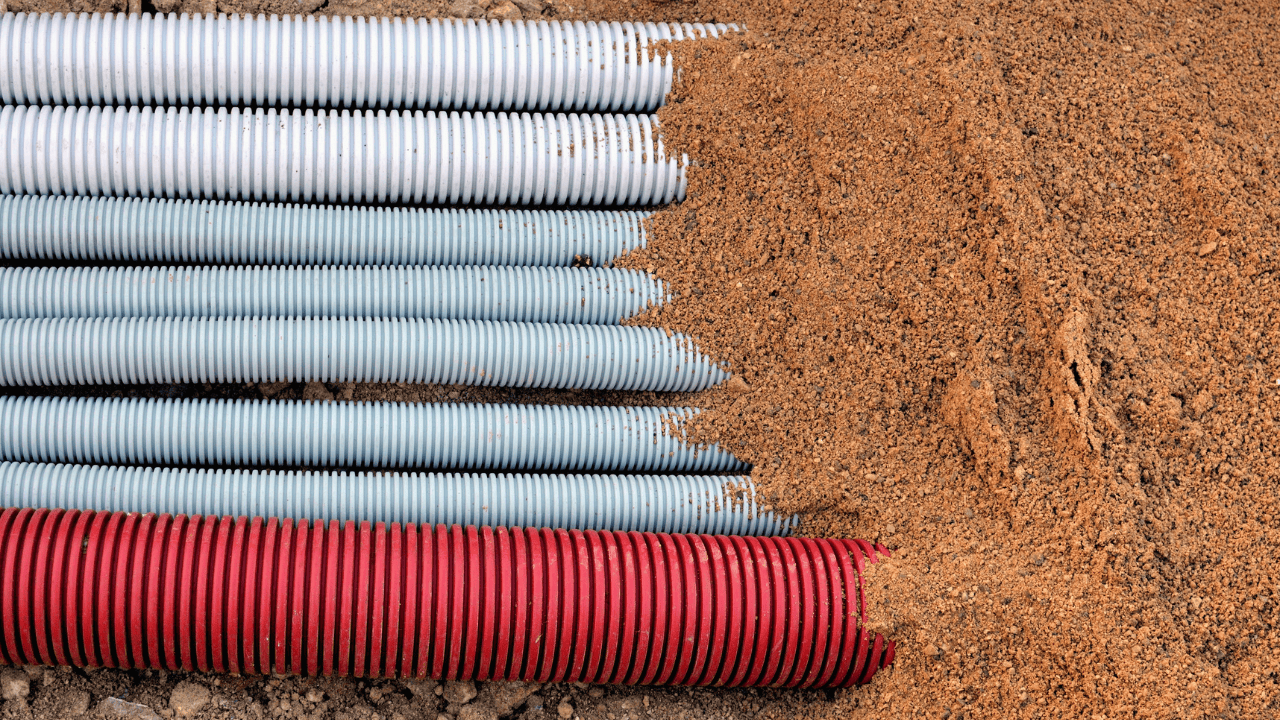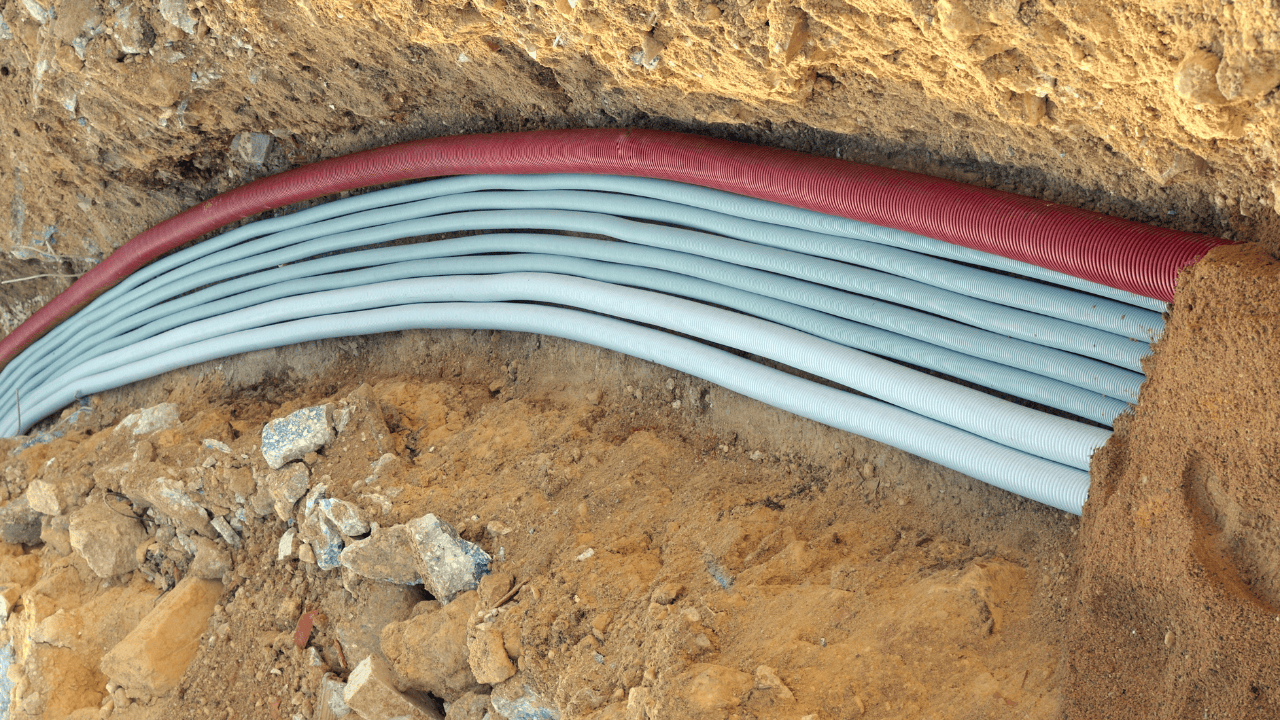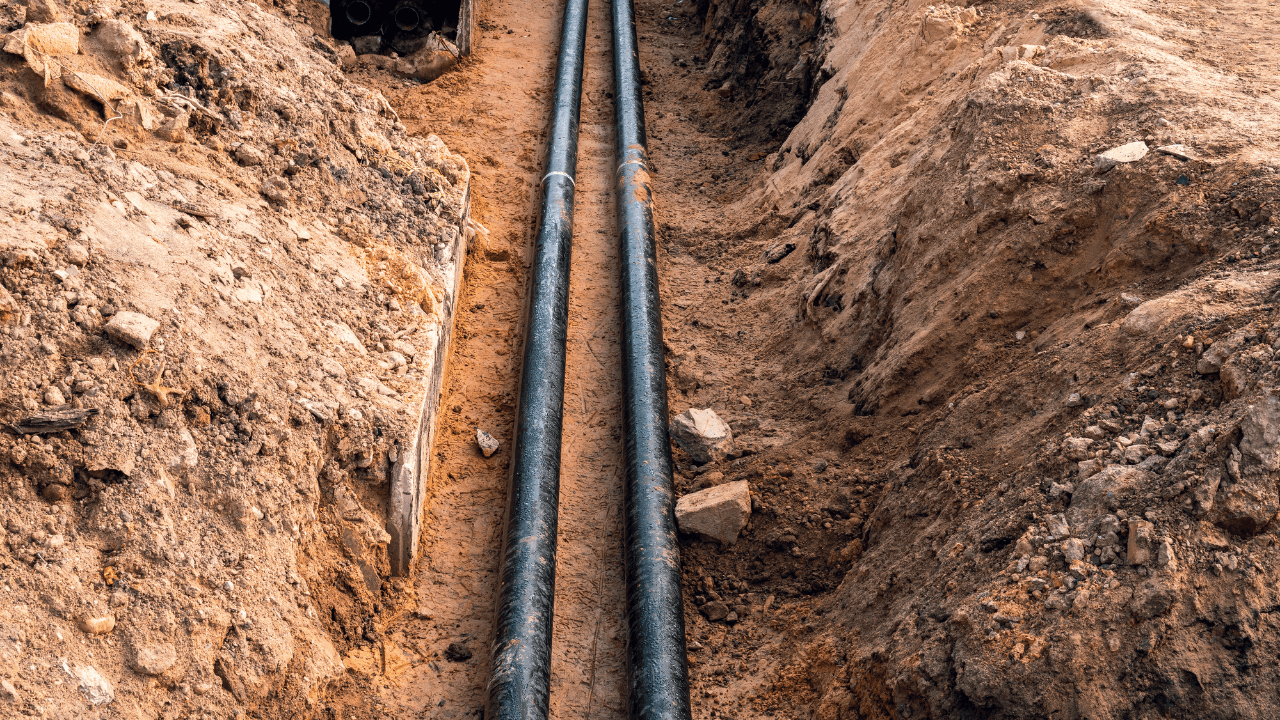
Methods for Underground Conduit Locating Services in California

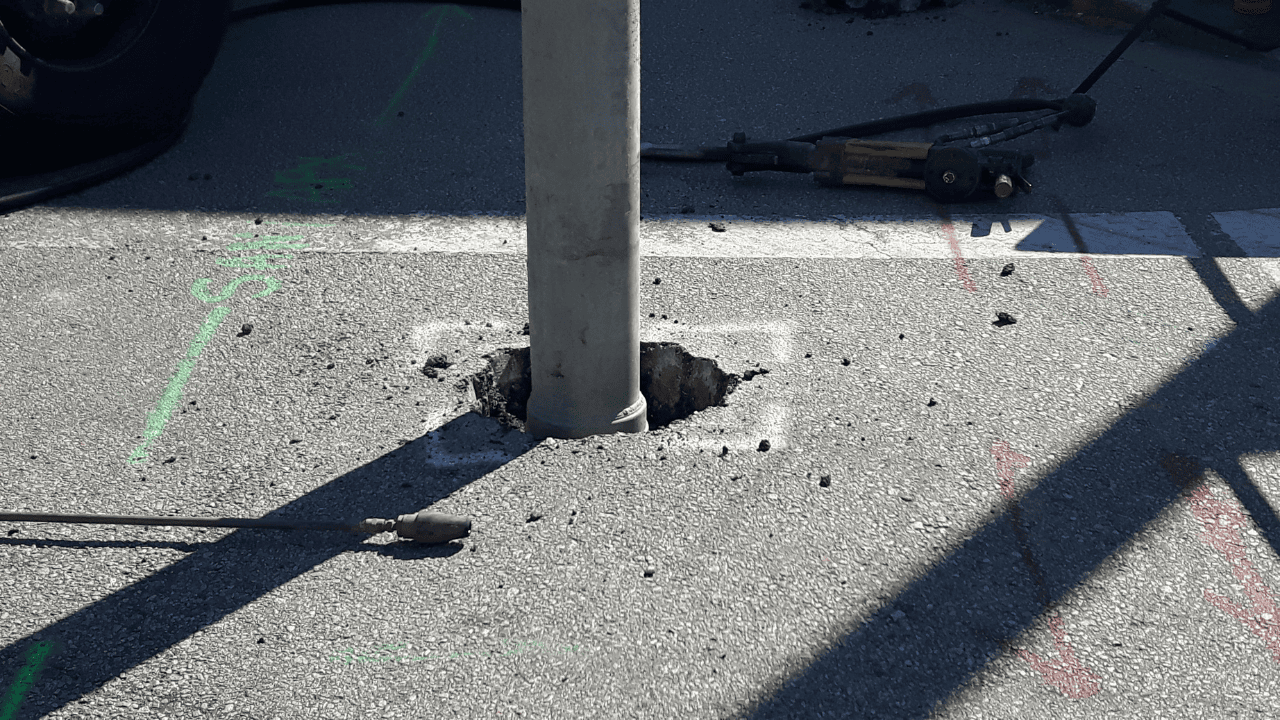
power line locating

Key Takeaways

  • Accurate utility locating is vital for safety and compliance, preventing accidents and costly repairs during excavation projects.
  • Ground-penetrating radar (GPR) and Electromagnetic Locators (EM) are essential tools for detecting various underground utilities, including both metallic and non-metallic conduits.
  • Incorporating advanced technologies like Geographic Information Systems (GIS) and utility database research enhances the precision of underground utility mapping.
  • Collaboration with utility companies and pre-excavation planning are critical best practices that ensure a thorough understanding and identification of underground conduits.
  • Professional utility locating services improve safety, efficiency, and precision, reducing the likelihood of damaging utilities and keeping construction projects on schedule.

Underground conduits house essential utilities, such as electrical lines, power cables, and communication wires, making their accurate location a critical part of any construction or excavation project.

In California, where regulations prioritize safety and environmental responsibility, knowing how to locate underground conduits effectively can prevent accidents and ensure compliance with the law. Hiring professionals for electrical line locating and power line locating is a proactive way to keep your projects on track.

This article will explore the best methods for utility conduit locating in California and why working with an underground utility locator is essential for your next project.

The Importance of Accurate Utility Conduit Locating

Identifying the location of underground conduits before any digging or excavation work is crucial for safety and efficiency. Hitting a power line or utility conduit can cause severe injuries, disrupt essential services, and result in costly repairs.

This makes underground utility locating not just a matter of convenience but a legal and safety requirement for any construction project. California regulations require construction teams to ensure that buried utilities are mapped out before excavation begins.

Hiring utility locating services allows you to meet these safety standards while protecting your crew and property from unforeseen dangers. Accurate locating also minimizes delays and ensures that the project can proceed smoothly without unexpected interruptions.

Proven Methods for Locating Underground Conduits

There are several reliable techniques used by professionals to locate underground conduits accurately. Each method serves a specific purpose depending on the type of utility and the conditions of the site.

1. Ground-Penetrating Radar (GPR)

GPR is widely recognized for its effectiveness in detecting a variety of underground utilities.

Key Characteristics:

  • Can locate both metallic and non-metallic objects.
  • Provides real-time data, allowing for immediate decision-making.
  • Non-invasive, requiring no digging to detect utilities.
  • Effective even in complex environments, like construction sites.
  • Offers a visual map of underground infrastructure.

2. Electromagnetic Locating (EM Locators)

Electromagnetic locators are commonly used for detecting metallic utilities, like electrical or power lines.

Key Characteristics:

  • Ideal for locating metallic objects such as conduits and cables.
  • Provides accurate depth measurements for buried utilities.
  • Portable and easy to operate on-site.
  • Especially useful for electrical line and power line locating.
  • Delivers precise results in various terrain conditions.

3. Vacuum Excavation

Vacuum excavation is a safe and minimally invasive method, often used when more precision is needed.

Key Characteristics:

  • Uses suction to expose buried utilities without damaging them.
  • Best for confirming the exact location of underground conduits.
  • Minimizes risks associated with traditional digging methods.
  • Ideal for sensitive areas with a high density of utilities.
  • Offers a controlled, clean method of exposing utilities.

4. Acoustic Locating

Acoustic locating is particularly useful for identifying non-metallic utilities, such as plastic pipes.

Key Characteristics:

  • Effective for locating non-metallic materials like PVC conduits.
  • Uses sound waves to detect buried objects.
  • Provides a reliable alternative to electromagnetic methods.
  • Suitable for areas where traditional detection methods fall short.
  • Works well even in difficult soil conditions.

Advanced Technologies in Utility Locating

In modern utility locating, advanced technologies play a crucial role in enhancing accuracy and efficiency. Two key tools often used are Geographic Information Systems (GIS) and utility database research.

  • Geographic Information Systems (GIS): GIS technology allows for precise mapping of underground utilities by combining spatial data with existing utility records. It provides detailed geographic insights, enabling professionals to visualize underground infrastructures accurately and plan excavation projects with minimal risk.
  • Utility Database Research: Before any physical detection, utility database research involves reviewing existing records of underground utilities. This ensures that professionals have a comprehensive understanding of the infrastructure beneath the project site, reducing the chances of unexpected encounters with buried cables or pipes.

By incorporating these advanced methods, utility locating services can offer more accurate and thorough assessments of underground utilities, ensuring safer and more efficient project execution.

Best Practices for Conduit Locating

  • Pre-excavation Planning: Proper planning is the first step in effective conduit locating. This involves reviewing utility maps, assessing the site, and determining which areas are likely to contain underground conduits. A thorough pre-excavation plan helps identify potential risks and prevents delays.
  • Coordination with Utility Companies: Communicating with utility providers is essential. Utility companies can offer valuable data about underground infrastructure, including the location and type of conduits. This collaboration ensures that no vital lines are overlooked during excavation.
  • Use of Multiple Techniques: Combining different locating methods, such as ground-penetrating radar (GPR), electromagnetic (EM) locators, and utility database research, increases the accuracy of conduit detection. Multiple techniques provide a comprehensive picture of what lies underground, reducing the risk of errors.
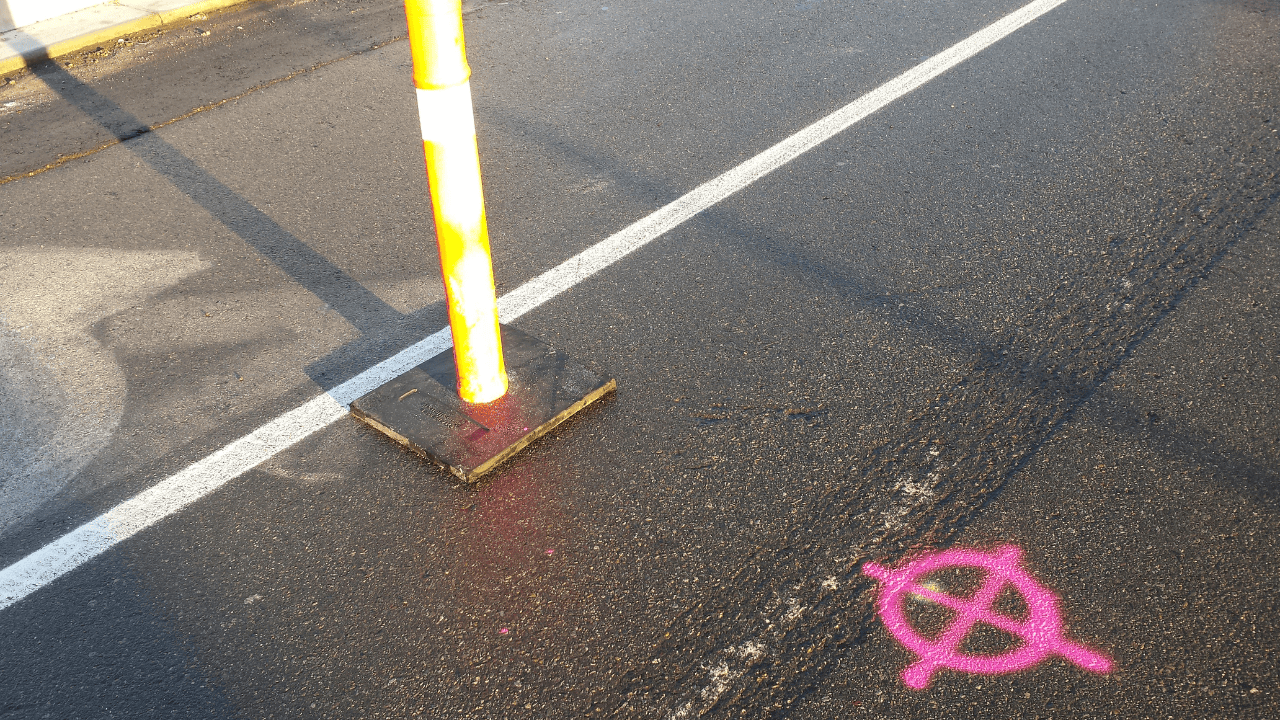
  • Safety Considerations: Safety should always be a priority. Ensuring that workers follow established safety protocols, including marking utility locations and adhering to tolerance zones, is crucial to avoiding accidents and damage to conduits during excavation projects.

How Professional Utility Locating Prevents Costly Mistakes

Working with experienced utility locating services offers numerous benefits to your project:

  • Safety: Professional utility locators use specialized equipment to ensure the safety of the worksite. Accurately locating underground conduits prevents damage to utilities, reduces the risk of injury, and keeps your project compliant with California safety regulations.
  • Efficiency: By pinpointing the location of utilities before digging, you can avoid costly delays and ensure that the project stays on schedule. Professional utility locating ensures that you don’t run into unexpected obstacles, saving both time and money.
  • Precision: Utility locating services use advanced technology, such as GPR and EM locators, to provide accurate and reliable data. This precision minimizes the risk of damaging underground utilities and ensures that the construction process can proceed without complications.

Keep Your Excavation Safe with Expert Utility Detection

Avoid costly mistakes by ensuring all underground conduits are accurately detected before excavation. 

Our team of experts at Util-Locate uses advanced technology to provide precise utility mapping, keeping your project safe and efficient. 

Reach out to us today to schedule professional conduit locating services and safeguard your worksite from potential hazards.

Best Ways to Locate Underground Cable and Map It Out

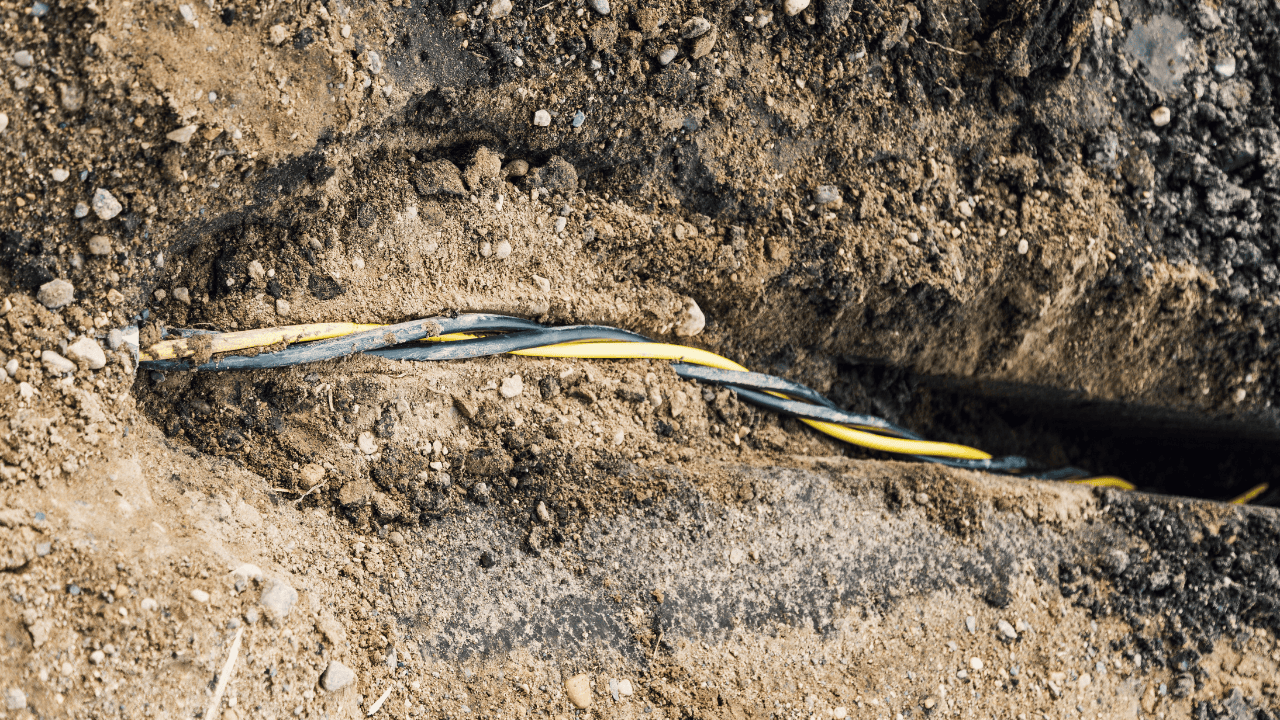
Buried electrical cables

Key Takeaways:

  • Utility detection is essential for excavation safety. Identifying buried cables and conduits prevents hazards like shocks, fires, or explosions.
  • Technologies like GPR and EM locators provide accurate mapping of underground utilities without digging, ensuring precision.
  • Different methods serve specific purposes. GPR detects various materials, EM locators find metals and acoustic locators work for non-metallic pipes.
  • Professional utility locating services boost safety and efficiency, preventing delays, damage, and non-compliance.
  • Investing in utility locating saves money. It reduces costly repairs and project interruptions by avoiding damage to buried utilities.

Before breaking ground on any construction or excavation project, you must uncover what’s hidden beneath the surface. Buried electrical cables, utility conduits, and other underground infrastructure can pose serious safety risks and disrupt services if not identified beforehand. 

To detect hidden utilities for a smooth and safe project, utility locating services use specialized methods to map underground infrastructure. By utilizing electrical line locating, power line locating, and utility conduit locating, you can avoid these risks.

This article explores the best methods for locating underground cables and highlights the importance of hiring a professional underground utility locator for your project.

Why Proper Utility Detection is Key to Safe Excavation

Striking underground utilities can have serious consequences. Hitting electrical lines, for example, can lead to power outages, dangerous electrical shocks, or even fires. Hitting water or gas lines could cause flooding or explosions, creating dangerous situations for workers and nearby communities. 

This highlights the need for precision when it comes to locating underground conduits.

Professional utility locating services use advanced technologies to identify and map the locations of buried cables. These services are not only a matter of safety but also help to prevent costly delays and damage. 

By ensuring that underground utilities are accurately mapped, contractors can avoid unexpected issues, keeping projects on schedule and within budget. Moreover, underground utility locating methods are essential for complying with local regulations and safety standards.

Best Methods for Locating Underground Cables

There are several reliable methods used by professionals to detect underground utilities. Here are the techniques most used:

1. Ground-penetrating Radar (GPR)

GPR is considered one of the most advanced technologies for locating underground utilities. It works by transmitting electromagnetic pulses into the ground and analyzing the bounce-back signals. 

This process allows technicians to create detailed maps of buried infrastructure without disturbing the ground.

  • How It Works: GPR sends radio waves into the ground, and when these waves hit an object, the signal is reflected to the receiver. The time it takes for the signal to return helps determine the depth and location of the object.
  • Pros and Cons: One of the key benefits of GPR is that it’s non-invasive, meaning there’s no need to dig. It can detect both metallic and non-metallic objects, making it a versatile tool. However, GPR is less effective in soils with high moisture content or clay, which can interfere with the signal.
  • When to Use: GPR is ideal for projects where precision is key, and you want to avoid unnecessary digging. It’s also suitable when you need to locate a variety of materials, not just metal.

2. Electromagnetic (EM) Locators

Electromagnetic locators are highly effective for detecting buried metal objects such as electrical lines and metallic pipes. They work by sending a signal through the ground, which is then picked up by a receiver when it encounters a metal object.

  • How It Works: EM locators transmit a low-frequency electromagnetic field into the ground. When this field meets a metallic object, such as a conduit or pipe, the receiver picks up the signal.
  • Pros and Cons: EM locators are simple to use, portable, and effective for identifying metallic objects. However, they are limited to metal detection, so they won’t work for non-metallic pipes like PVC. Additionally, EM locators may not provide as much detail as GPR in terms of mapping out the depth or the exact path of a cable. 
  • When to Use: These devices are a great choice for projects that involve metallic infrastructure. They are widely used for locating underground electrical lines and metallic utility conduits, especially when time is of the essence.

3. Acoustic Pipe Locators

Acoustic pipe locators are often used for non-metallic pipes and conduits, such as PVC. These devices work by emitting sound waves into the ground and detecting the echoes that bounce back when they encounter an object.

  • How It Works: Acoustic locators send sound waves through the ground, and when these waves hit an underground pipe, they reflect to the surface, allowing technicians to identify their location.
  • Pros and Cons: Acoustic pipe locators are valuable for detecting non-metallic materials that other methods, such as EM locators, can’t identify. However, their accuracy can be affected by surrounding noise and ground conditions, and they may not be as reliable for deep or heavily compacted soils.
  • When to Use: Acoustic locators are ideal when dealing with non-metallic materials, such as plastic pipes. They’re commonly used in projects where PVC conduits or drainage systems need to be identified without the need for invasive digging.

Advantages of Hiring Professional Utility Locating Services

Hiring professional utility locating services offers several benefits for your project:

  • Safety: Professionals are trained to accurately locate utilities, reducing the risk of accidents, such as hitting electrical lines or gas pipes. This ensures the safety of workers and prevents potential hazards.
  • Precision: With advanced equipment and experience, professionals can provide highly accurate utility mapping, ensuring that all underground cables and pipes are correctly identified.
  • Efficiency: Avoiding damage to utilities means fewer project delays and less downtime. With clear maps of the underground layout, you can avoid unnecessary digging and repairs, ensuring your project proceeds smoothly. 
  • Cost Savings: While there may be an upfront cost for hiring utility locating services, it can save significant money in the long run by preventing costly repairs and project delays caused by hitting unmarked utilities.

Prioritize Safety and Precision with Professional Utility Locating

Accurately mapping underground cables and utilities is essential to the success and safety of any excavation or construction project. 

Hiring professional utility locating services guarantees precise mapping and safeguards your project from potential hazards. 

With Util-Locate’s advanced utility detection methods, you can ensure safety, precision, and compliance. Whether you’re dealing with electrical lines, utility conduits, or non-metallic pipes, our services will keep your work site hazard-free and on schedule. Contact us today to learn more about how our expertise can benefit your project. 

Vacuum Excavation: Specific Applications and Advantages

use vacuum excavation. It's safe for utilities

Key Takeaways

  • This method uses a vacuum truck. It has a high-pressure water jet and strong suction. It can dig safely and efficiently. It’s ideal for precise digging and minimizing the risk of damage.
  • Vacuum excavation is best for utility potholing. It reduces the risk of damaging underground utilities. The controlled process enhances safety and accuracy in utility locating.
  • It’s commonly used for exposing utility lines, inspecting and repairing pipelines, trenching for new utilities, and site preparation for construction projects.
  • Vacuum excavation is faster, less disruptive, and safer compared to traditional digging methods. It’s particularly useful for working in sensitive or challenging conditions.
  • The use of vacuum excavators, high-pressure water, and techniques like slot trenching and air excavation allow for effective handling of various soil conditions, including frozen and dry soils.
  • Despite common misconceptions, vacuum excavation can be cost-effective. It has a lower risk of damage and fewer repairs. This makes it a good investment for both large and small projects.
  • Vacuum excavation is crucial for accurate underground utility locating in California, providing a reliable method to manage complex utility networks and construction needs.
  • Professional utility locators and vacuum excavation experts ensure precise and safe digging, making them essential for successful excavation projects.

Vacuum excavation is a low-profile technique. But it makes a big difference behind the scenes. For precise holes, use vacuum excavation. It’s safe for utilities.

Let’s understand what it is, how it works, and why it’s such a game changer in the world of digging and utility locating.

What is Vacuum Excavation?

Vacuum excavation is a digging method. It uses a powerful vacuum to remove soil and debris. It’s simple: a vacuum truck sucks up the dirt. High-pressure water loosens it. This approach is great for sensitive areas, like underground utilities. Traditional methods could damage them.

Why Use Vacuum Excavation?

So, why should you consider vacuum excavation over other methods?

  • Safety First: One of the biggest advantages is safety. Vacuum excavation is less likely to damage existing utilities because it’s more controlled. This means fewer accidents and less chance of hitting something you shouldn’t.
  • Precision and Accuracy: If you need to find and expose specific utilities, this method is spot on. It’s perfect for utility potholing. You need to locate and expose utilities without disturbing the area.
  • Less Mess: Traditional excavation can leave a mess. But, vacuum excavation is cleaner. The vacuum system sucks dirt and debris into tanks. It leaves less cleanup work.
  • Reduced Environmental Impact: Vacuum excavation is less invasive. So, it’s better for the environment. It minimizes soil disturbance, which is great if you’re working in sensitive areas.

Specific Applications of Vacuum Excavation

Vacuum excavation isn’t just a fancy tool. It has real uses that make it a go-to for various tasks.

  • Utility Potholing: When you need to expose underground utilities, vacuum excavation is ideal. It helps find the exact locations of utility lines and cables without damaging them. This is crucial for accurate utility locating and ensuring safe digging practices.
  • For pipeline inspection or repair, use vacuum excavation. It exposes the area with minimal disruption. It’s a cleaner and safer way to get to the problem.
  • Trenching for New Utilities: When installing new utilities, vacuum excavation allows for precise and safe trenching. You can dig narrow trenches with confidence. You’re less likely to damage existing infrastructure.
  • Site Preparation: Before starting any construction projects, vacuum excavation can be used to prepare the site by removing topsoil and exposing utilities.

Advantages Over Traditional Digging Methods

Traditional digging methods, like using backhoes or shovels, have drawbacks. They have their place, but they aren’t perfect. Here’s how vacuum excavation stacks up:

  • Faster and More Efficient: Vacuum excavation can be quicker than old methods, especially in complex sites. The combination of water and suction speeds up the excavation process.
  • Less Disruption: Traditional digging may cause more damage than intended. Vacuum excavation is gentler on the surroundings. It reduces the risk of damage and the need for repairs.
  • Improved Safety: Traditional methods can be risky if you’re unsure of what’s underground. Vacuum excavation is safer. It minimizes the risk of hitting unseen utilities.

How Vacuum Excavation Works

The process involves a vacuum truck equipped with a powerful vacuum system. A high-pressure water jet is used to loosen the soil, which is then sucked up into the vacuum excavator. The vacuum truck has a holding tank where the debris is collected. This setup is effective even in challenging conditions like frozen soils or dry soil.

Slot trenching and air excavation are vacuum excavation techniques. They create narrow trenches or expose areas without much digging. These methods are great for installing fiber optics and other delicate utilities.

Common Misconceptions About Vacuum Excavation

Some myths about vacuum excavation might make you hesitant. Let’s clear them up:

  • It’s Too Expensive: Some think vacuum excavation is costly. But its safety and efficiency often make it cheaper in the long run. Fewer accidents and less damage can save you money.
  • It’s Only for Big Projects: Vacuum excavation is for big projects, but it’s also good for small jobs. Whether you’re a homeowner or a contractor, this method can be adapted to fit your needs.
  • It’s Not Always Accurate: With the right tools and skills, vacuum excavation is very accurate. It’s a trusted method for finding and exposing utilities without causing harm.

Utility Locating in California: How Vacuum Excavation Fits In

In California, utility locating is crucial due to many underground utilities. So, vacuum excavation plays a vital role. Utility locating services often use this method for its effectiveness and low risk.

Vacuum excavation ensures smooth work with both old and new sites.

Utility Locators and Their Role

Utility locators are pros. They use tools to find underground utilities. They might use radar, electromagnetic tools, or even old-school methods. However, vacuum excavation complements their work. It reveals what’s below the surface. It’s an essential part of the puzzle for accurate and safe utility locating.

Why Choose Vacuum Excavation?

Let Util-Locate Handle Your Next Project!

Vacuum excavation is a powerful tool for digging with precision and safety. Its ability to safely expose underground utilities, minimize mess, and reduce environmental impact makes it a preferred choice in many situations. Whether you’re dealing with utility potholing or preparing a site, this method offers a range of benefits that can make your job easier and more efficient.

For reliable utility locating, contact Util-Locate. We locate underground utilities in California. Our expertise in vacuum excavation technology ensures that your project runs smoothly and safely. Contact us today to learn more about how we can assist with your next excavation project!

Which Sectors Benefit From Vacuum Excavation?

benefits from vacuum excavation

Key Takeaways

  • Vacuum excavation is a non-destructive method. It uses high-pressure air or water to safely locate underground utilities. This reduces the risk of damage and increases precision.
  • This technology benefits many industries, including construction, municipalities, oil and gas, telecommunications, electrical utilities, environmental projects, agriculture, and transportation.
  • Hydro Excavation is a popular method of vacuum excavation. It uses high-pressure water to break up soil. It works well in tough conditions, such as frozen ground.
  • Vacuum excavation can be adapted for extreme conditions, like frozen soil. Using heated or hot water can help with the digging.
  • Unlike conventional digging, vacuum excavation is less disruptive. It disturbs traffic, public spaces, and infrastructure. So, it’s a quicker, cleaner solution.
  • The technology ensures precise digging around sensitive utilities. It reduces the risk of accidents and costly repairs.
  • Vacuum excavation is a versatile method. It improves safety and efficiency in locating and maintaining utility lines, such as gas, electric, and water.

“Vacuum excavation” may sound complex. But, it’s a smart, non-destructive way to dig and find underground utilities. High-pressure air or water breaks up the soil, which is then vacuumed up. 

This method is safer and more precise than traditional digging. It reduces the risk of damaging important utility lines. So, who exactly benefits from vacuum excavation? Let’s understand the industries that are using this technique to get the job done right.

Industries That Benefit From Vacuum Excavation Services

Various industries benefit from vacuum excavation. Its non-invasive nature makes it a valuable tool in any sector requiring precise, low-impact excavation.

Construction Industry

First up is the construction industry. For a new office tower or housing project, it’s vital to know where utilities are buried. Vacuum excavation helps contractors safely expose underground utilities like water lines, electrical cables, and gas lines. This method avoids the risk of hitting utilities. That could cause costly repairs, delays, or accidents.

In construction, time is money, and vacuum excavation saves both. It’s quicker and cleaner than traditional digging methods. It leaves less mess to clean up. Plus, it’s much safer for the crew on-site because there’s less risk of striking an underground utility. It’s no wonder that more construction firms are using utility locating and vacuum excavation to speed up their projects.

Municipalities and Public Works

Cities and towns rely on underground utility-locating services. They need them to maintain and upgrade public infrastructure. Vacuum excavation is a go-to tool for public works teams. They use it to repair water mains and to install new sewer lines. They also use it to upgrade communication networks. It lets them safely dig near sensitive areas without damaging utility lines.

Another huge advantage is the reduced traffic disruption. Traditional digging can leave roads and sidewalks torn up for days or even weeks. However, vacuum excavation is quicker and less invasive. So, streets and public spaces can return to normal faster. For municipalities looking to complete projects efficiently while keeping disruption to a minimum, vacuum excavation is the answer.

Oil and Gas Industry

The oil and gas industry also benefits greatly from vacuum excavation. When drilling for oil or laying pipelines, it is vital to know where the underground utilities are. This helps avoid accidents. Utility locators are often called in to ensure the area is safe before any heavy equipment is brought in.

Vacuum excavation is vital for oil and gas companies. It prevents damage to existing utility lines during their operations. It helps them avoid dangerous leaks or even explosions, making the process much safer for everyone involved. Also, it’s a faster, more efficient method. It lets companies finish projects on time while keeping them safe.

Telecommunications

In today’s connected world, telecommunications infrastructure is more important than ever. Telecom companies are upgrading and expanding fiber optic networks. They must avoid damaging existing utilities when digging new trenches for cables. This is where vacuum excavation shines.

Vacuum excavation lets telecom companies safely expose underground cables. It does so without damaging the cables. It’s useful in cities where space is tight. Utilities are buried close together. Vacuum excavation ensures new fiber optic work won’t damage existing communication lines.

Electrical Utilities

When it comes to maintaining or installing electrical lines, precision is key. Hitting a live power line while digging can cause outages. It also poses safety risks to workers. So, electrical companies use utility locating services and vacuum excavation. They need to know where existing lines are before digging.

Vacuum excavation lets workers safely expose electrical lines. There is no risk of damaging them. This method is also faster and more efficient than traditional digging. So, it means less downtime and quicker repairs or installations. For electrical utility companies, vacuum excavation is a no-brainer.

Environmental Projects

Environmental projects often require a delicate touch. Vacuum excavation lets environmental teams dig without harming the area. It is vital for cleaning contaminated soil and researching underground water sources. It’s a non-invasive way to get the job done while preserving the environment.

For example, traditional digging can spread harmful chemicals on a contaminated site. Vacuum excavation minimizes this risk by carefully removing the soil without disturbing it. Environmental teams rely on this technology to keep their projects safe and efficient.

Agriculture

You may not think of agriculture as related to vacuum excavation. But, farmers and ranchers often deal with underground utilities, like irrigation pipes and water lines. Traditional digging methods can be too aggressive and risk damaging these vital systems. Vacuum excavation lets farmers find and fix utilities safely. It won’t disrupt their crops or livestock.

This method is especially useful in areas with dense soil or rocky ground, where traditional digging methods may not be effective. Farmers who use utility locating services can avoid costly repairs. This keeps their operations running smoothly.

Transportation

The transportation sector, especially railroads and highways, also sees the benefits of vacuum excavation. It’s crucial to know the exact location of underground utilities when doing maintenance or expansions. This avoids service disruptions or accidents. Utility potholing is often used to verify the location of utilities before digging.

Vacuum excavation lets transport teams safely expose utilities. It causes minimal disruption to traffic and rail services. It’s a quick and non-invasive method that helps ensure projects are completed on time and within budget.

The Role of Hydro Excavation

One of the most popular forms of vacuum excavation is Hydro Excavation, which uses high-pressure water to break up soil. This technique is especially useful in areas with difficult soil conditions or even frozen ground. In these cases, traditional digging can be nearly impossible. But, Hydro Excavation gets the job done smoothly.

It’s a precise excavation method. So, it’s ideal where utilities are close together, like gas lines and electrical cables. The high-pressure water breaks up the soil, and a vacuum removes it, ensuring that underground utilities remain intact.

Working in Extreme Conditions

Sometimes, projects need to be completed in harsh environments, like during winter when you’re dealing with frozen soil. In these cases, heated water or hot water can be used with hydro excavation to safely melt and remove the ground.

This is a game changer in colder climates, where traditional digging methods can take much longer and be less effective.

Why Util-Locate is the Best Choice for Vacuum Excavation

At Util-Locate, we provide vacuum excavation and utility locating in California. We serve a wide range of industries. Whether you’re in construction, telecommunications, or agriculture, we’ve got you covered.

Our expert team uses advanced equipment to locate underground utilities. It ensures your project runs smoothly from start to finish. When it comes to precision and safety, you can trust us to get the job done right. Contact Util-Locate today to learn how we can help with your next project!

How Vacuum Excavation Minimizes Traffic Disruption During Roadworks

dealing with underground utilities

Key Takeaways:

  • Vacuum excavation is a faster, cleaner, and safer method for digging during roadworks, helping to reduce traffic delays.
  • This technique minimizes damage to surrounding areas, speeding up cleanup and road reopening.
  • Vacuum excavation for utility potholing safely exposes underground utilities. This prevents accidents and delays.
  • Underground utility locating is vital. It avoids damaging gas lines, water pipes, and electric cables. This keeps road projects on track.

Vacuum excavation is great for utility locating in California. Heavy traffic and complex infrastructure make quick, safe roadwork essential.

Dealing with roadworks can be a huge hassle, especially when it leads to major traffic delays. You’re driving along, and suddenly, you hit a line of cars backed up because a construction crew is digging up the road. It feels like a constant issue, especially in busy areas.

Luckily, vacuum excavation is changing roadwork. It’s reducing disruptions and improving traffic flow. This technology is not only more efficient but also safer. It is better for dealing with underground utilities and sensitive infrastructure.

What is Vacuum Excavation?

Before discussing its benefits for traffic, let’s define vacuum excavation. In simple terms, it is a method where vacuum excavators use high-pressure water or air excavation to loosen soil and then suck it up into a holding tank. This method is cleaner and more precise than traditional ones. Those often involve big machines tearing up large chunks of ground.

Vacuum excavation technology is beautiful. It cuts the mess, speeds up digging, and lowers the risk of hitting underground utility lines, like gas pipes and electric cables. That’s why it’s widely used in utility locating services, where knowing exactly where things are buried is critical.

How Vacuum Excavation Minimizes Traffic Disruption

When it comes to roadwork, time is everything. The quicker the job gets done, the faster traffic can return to normal. Vacuum excavation lets crews work faster. This means fewer road closures and less traffic backup.

1. Faster and More Efficient

Traditional digging methods take longer because they’re less precise and require more cleanup. Vacuum excavators speed up excavation. They can target where to dig, removing only the soil that needs to be moved. This efficiency lets construction crews finish projects faster. It helps keep lanes open and reduce traffic jams.

2. Reduced Risk of Damage

A major concern during roadworks is damaging underground utility lines. Hitting a gas line or electrical cable can be dangerous. It can also halt the project while repairs are made. Vacuum excavation is more precise than traditional digging. So, it lowers the risk of damage. Crews can gently expose utility lines using high-pressure water or air excavation. It won’t harm the lines.

3. Cleaner Work Environment

Another advantage of vacuum excavation is how clean it keeps the worksite. Traditional digging methods often leave dirt and debris scattered around. This can slow cleanup and delay reopening the road. Vacuum excavation sucks all the soil into a holding tank. This leaves the area cleaner and helps the crew finish their work quickly. This helps avoid obstacles for vehicles in construction zones.

The Importance of Utility Potholing

When it comes to roadwork, one key step is making sure you know where all the underground utilities are before digging. This is where utility potholing comes in. Crews use vacuum excavation to dig small, precise holes, exposing the underground utility lines. This allows them to see exactly where things like gas pipes, water lines, and electrical cables are, reducing the risk of accidental damage.

Vacuum excavation for utility potholing lets crews quickly find utilities. It does this without disturbing the surrounding area. This precision means they don’t have to dig up large sections of the road, which keeps traffic flowing better and prevents unnecessary lane closures.

How Soil Type Affects Excavation

The type of soil at a worksite can impact how roadworks are carried out. For example, dry soil might require more water pressure to loosen, while softer soils might need less. Vacuum excavators are versatile. They let workers adjust their approach based on the soil type, whether compacted dirt or loose gravel. This flexibility makes the entire process more efficient and ensures that the crew can adapt to different conditions without slowing down the project.

Underground Utility Locating and Vacuum Excavation

In major roadworks, it’s not enough to just dig up the ground and hope for the best. Crews need accurate information about what lies beneath the surface. That’s why underground utility locating is crucial. Using utility maps helps, but these aren’t always completely accurate. By combining vacuum excavation with underground utility locating methods, crews can pinpoint the exact locations of utility lines, ensuring that they don’t accidentally hit something vital.

This combination of vacuum excavation technology and utility locating services not only speeds up the process but also makes it much safer. In places like California, where traffic is already a nightmare, keeping things moving is a top priority. Utility locating in California often relies on vacuum excavation for this very reason—it helps avoid costly mistakes and keeps road closures to a minimum.

Why Utility Companies Rely on Vacuum Excavation

For utility companies, maintaining and repairing underground infrastructure is a constant challenge. They need methods that are safe, efficient, and won’t disrupt service for long periods. Vacuum excavation fits this need perfectly because it allows crews to safely expose and work on utility lines without damaging them. Whether it’s dealing with utility poles, electrical cables, or gas lines, this method ensures that the infrastructure stays intact and work gets done faster.

Construction Crews Benefit from Vacuum Excavation

For construction crews, the shift from traditional methods to using vacuum excavation technology has been a game changer. Not only does it make their work safer, but it also speeds up the entire process. They can dig with greater accuracy, expose underground utilities without damage, and keep the surrounding area cleaner. Plus, using methods like hot water to loosen stubborn soil or debris makes the job even more efficient.

Why Choose Util-Locate?

If you’re looking for a way to minimize traffic disruptions during roadworks, Util-Locate has the solution. Our vacuum excavation and utility locating services provide a faster, safer, and more efficient way to handle projects, ensuring that your work gets done with minimal impact on traffic. 

Whether you’re dealing with highways, busy city streets, or smaller roads, our experienced team can help keep things moving smoothly. Let us handle your next project and see how we can make roadwork easier and faster for everyone.

Environmental and Safety Benefits of Vacuum Excavation in Urban Construction

utility damage

Key Takeaways:

  • Vacuum excavation is an eco-friendly alternative to traditional digging. It causes less soil disruption and minimizes environmental damage in urban areas.
  • It cuts the carbon footprint by reducing the need for heavy machinery. This leads to fewer emissions during construction.
  • Utility locating services paired with vacuum excavation protect underground utilities like gas lines and water pipes, preventing hazardous accidents and environmental harm.
  • The process is more efficient. It creates less waste and conserves resources like water. This is especially beneficial in places like California.
  • Vacuum excavation improves air quality. It reduces dust and noise pollution, creating a cleaner, safer environment for workers and residents.

Urban construction has fueled city growth, but it harms the environment. Traditional street and land digging often causes air pollution, utility damage, and waste. Fortunately, technology is changing how things are done. One eco-friendly method is vacuum excavation.

This post will explore how vacuum excavation works. It will also look at its environmental benefits for urban construction. If you’re unfamiliar with this method, you’re in the right place. It can help the planet while keeping projects on track.

What Is Vacuum Excavation?

Before diving into the environmental benefits, let’s quickly cover what vacuum excavation is. Vacuum excavation uses a high-powered vacuum to remove soil from the ground. It is better than traditional methods, which use large machines like backhoes.

A small hole is made, and then air or water is used to break up the soil, which is sucked up into the vacuum. This process is precise and minimizes the risk of damaging underground utilities. Utility potholing is a common use for vacuum excavation. It helps to locate buried cables, pipes, and other essential infrastructure.

Less Soil Disruption

A key advantage of vacuum excavation is that it disturbs the soil less than traditional methods. When you dig using an excavator, you’re moving a lot of earth around, which can lead to more erosion and damage to the surrounding area. By using a vacuum, you can target specific spots and remove only what’s necessary.

It disturbs fewer trees, plants, and ecosystems. So, it’s a better option for urban areas with limited green spaces. Keeping the land intact can reduce the impact on local wildlife and natural habitats.

Reducing Carbon Footprint

Traditional digging methods need large, fuel-powered machines. They emit pollutants that harm the air and climate. Using vacuum excavation, construction teams can reduce the number of machines on-site. This will lower their carbon footprint.

Vacuum excavation is faster and more efficient. So, machines run less, which cuts emissions. In cities where air quality is already a concern, this makes a big difference.

Protecting Underground Utilities

Another key benefit is the protection of underground infrastructure. Utility locating services are often used with vacuum excavation. They find pipes, cables, and other utilities that traditional digging might hit.

Hitting these utilities during construction can cause spills, gas leaks, or power outages. Not only is this dangerous for the environment, but it can also cause disruptions for nearby residents and businesses.

By combining underground utility locating with vacuum excavation, contractors can avoid these issues, keeping cities running smoothly and preventing environmental harm.

Less Waste, More Efficiency

With vacuum excavation, there’s also less waste to deal with. Traditional methods often involve digging up large amounts of dirt. It must be transported off-site and disposed of. This adds to the overall environmental impact of a project.

In contrast, vacuum excavation is more precise, creating less waste overall. We can often reuse the removed soil. This cuts the need for new materials and reduces debris to haul away.

Water Conservation

Construction methods like utility potholing and excavation can use a significant amount of water, especially when large machines are involved. With vacuum excavation, however, much less water is needed. This is because the process relies more on air pressure and suction. It does not constantly spray water to break up the soil.

In areas like California, where water is a precious resource, using less water for construction projects is a major benefit. Utility locating in California can be done in a way that conserves water and protects the surrounding environment.

Improving Air Quality

One often overlooked issue in construction is its impact on air quality. Traditional excavation methods kick up a lot of dust and debris, which can harm the health of workers and nearby residents.

With vacuum excavation, the process is much cleaner. The soil is sucked directly into the vacuum, keeping dust to a minimum. This helps improve air quality and creates a safer work environment for everyone involved.

Easier on the Environment in Urban Areas

Urban areas are particularly sensitive to environmental disruption. Streets are full of people, cars, and businesses, so keeping the noise and mess to a minimum is important. Vacuum excavation is a quieter, cleaner alternative to traditional digging. It reduces noise, pollution, and dust.

Vacuum excavation is more precise. So it avoids unnecessary road and sidewalk damage. This helps reduce the overall environmental impact of the project and makes it easier to restore the area to its original condition once the work is done.

Long-Term Sustainability

When we think about sustainability in construction, we often focus on the materials used in the buildings themselves. However, the methods used to build those structures also play a major role in long-term sustainability.

By choosing eco-friendly methods like vacuum excavation, construction companies can reduce their impact on the environment. This not only benefits the planet but also shows that the industry is moving toward more responsible practices.

How Vacuum Excavation Supports Utility Locating

One of the most important steps in any construction project is knowing where underground utilities are located. Utility locating services help identify where things like gas lines, water pipes, and electrical cables are buried.

Vacuum excavation works hand-in-hand with utility locators by safely exposing these utilities without causing damage. This means fewer accidents, fewer delays, and a safer construction site overall. Plus, it minimizes the risk of environmental hazards like oil spills or gas leaks.

Better for Urban Growth

As cities grow, efficient, eco-friendly construction methods are vital. Utility locating in California is a big part of this, as the state continues to develop new infrastructure while also preserving its natural resources.

Using vacuum excavation for utility locations helps urban growth happen in a way that’s sustainable and less harmful to the environment. For laying new water pipes, electrical lines, or telecom cables, vacuum excavation is a better option. It is cleaner and more precise.

Why Choose Util-Locate for Your Next Project

At Util-Locate, we specialize in providing utility locating services and vacuum excavation solutions that minimize environmental impact while keeping projects on schedule. With our advanced technology and experienced team, we can help you avoid costly mistakes and protect the environment at the same time.

Whether you’re working on a small project or a large-scale urban development, we’re here to provide the eco-friendly solutions you need. Contact Util-Locate today to learn more about how we can help with your next construction project!