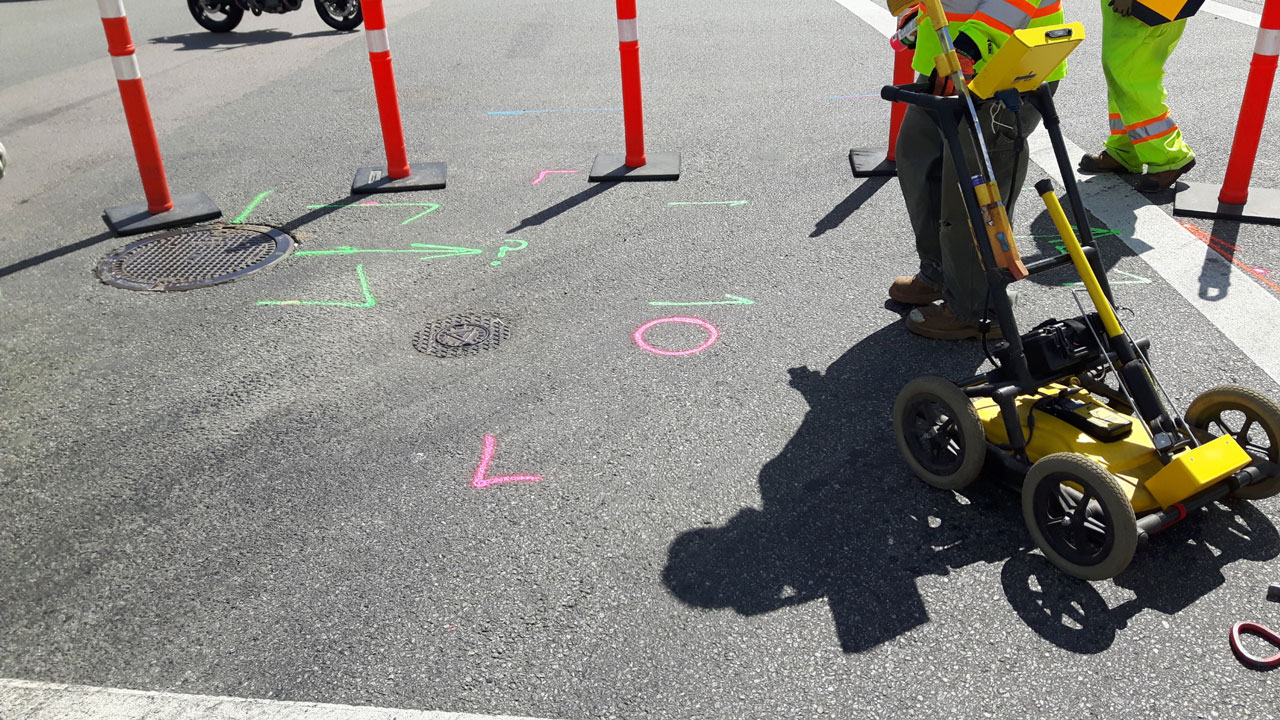
How To Find Underground Pipes and Water Lines in Your Backyard

Ground penetrating radar (GPR)

Key Takeaways

  • Ground penetrating radar (GPR) is highly effective for locating all types of underground pipes.
  • Metal detectors are useful for finding metallic pipes and lines with tracer wires.
  • Traditional divining rods can still be used to detect water pipes.
  • Professional utility locating services provide precise identification of all utility lines.
  • Contacting your utility company before digging helps prevent accidental damage to service lines.

Finding underground pipes and water lines in your backyard can seem daunting, but with the right techniques and tools, it becomes manageable. Whether you need to locate water pipes, electrical lines, or gas lines, knowing the location of these utility lines is crucial to avoid damaging them during digging or landscaping projects.

To find underground pipes and water lines in your backyard, you can use a variety of utility locating methods and tools such as ground penetrating radar, metal detectors, and even divining rods.

Common Tools for Locating Underground Pipes

  1. Ground Penetrating Radar – Effective for all types of underground utility lines.
  2. Metal Detectors – Ideal for metallic pipes and lines with tracer wires.
  3. Divining Rods – Traditional method for detecting water pipes.
  4. Metal Rods – Manual checking method.
  5. Acoustic Devices – Useful for sewer lines and other buried pipes.

Methods for Locating Underground Pipes and Water Lines

Ground Penetrating Radar (GPR)

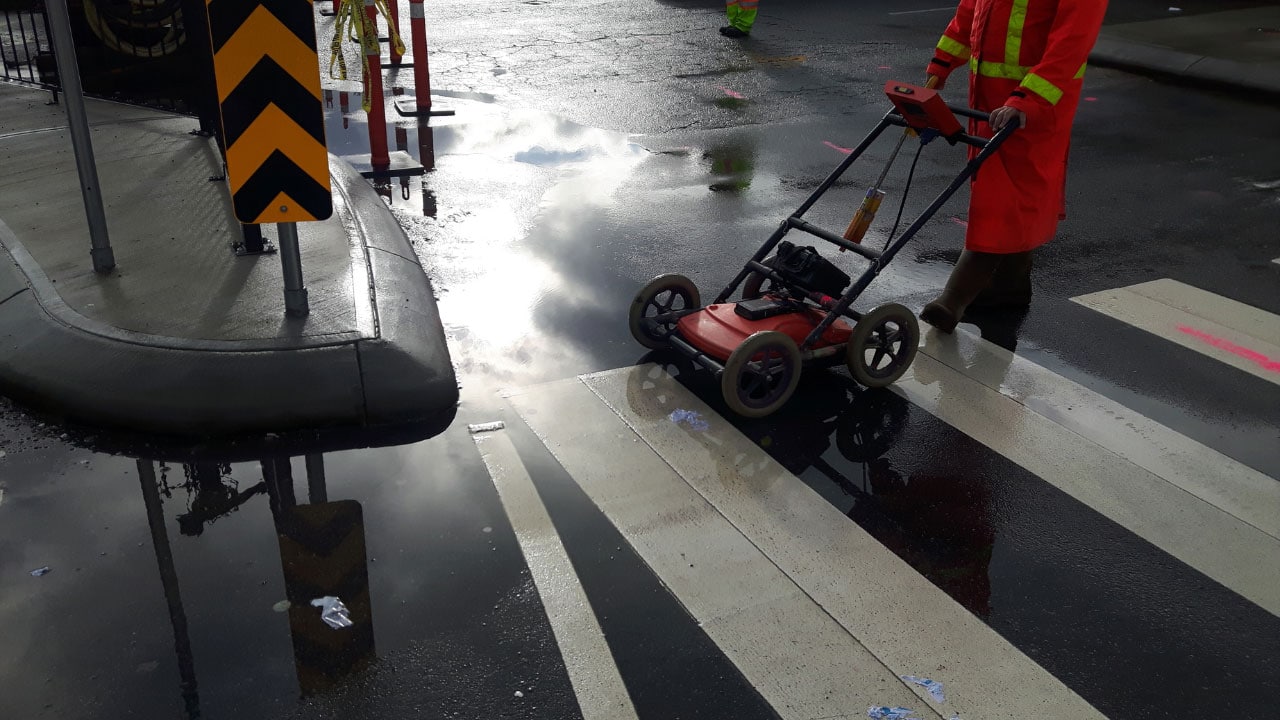
Ground penetrating radar (GPR) is one of the most effective methods for locating underground utility lines. GPR uses electromagnetic waves to create images of the subsurface, allowing you to detect water pipes, sewer lines, and other types of utility lines without any digging.

This method is particularly useful for identifying plastic pipes like PVC pipes that may not be detectable with traditional metal detectors. GPR equipment can scan large areas quickly and provide detailed information on the depth and position of various lines.

Metal Detectors and Tracer Wires

For locating metallic pipes such as copper pipe, metal detectors are highly effective. Many utility lines are installed with tracer wires that can be detected using a metal detector, helping to pinpoint the location of underground water pipes and other service lines.

These tracer wires are often used in conjunction with non-metallic pipes to make them easier to locate. By following the signal from the tracer wire, you can trace the path of the buried lines accurately.

Electromagnetic and Acoustic Methods

The electromagnetic method is another way to locate underground utility lines. This method is especially useful for detecting electric lines and telephone lines. It involves using a transmitter to send an electromagnetic signal through the utility line, which can then be detected by a receiver above ground.

An acoustic method can also be used, where sound waves help identify the presence of sewer lines and irrigation lines. This involves inserting a sound source into the line and using microphones to detect changes in sound patterns that indicate the presence of a line or pipe.

Safety and Legal Considerations

Before starting any digging project, it’s essential to contact your local utility company to mark the location of underground utility lines. This helps prevent accidental damage to service lines, which can lead to serious hazards or service interruptions.

Most areas have a “Call Before You Dig” service that will notify utility companies to come and mark their lines for free. This step is not only a safety measure but also a legal requirement in many regions to prevent unintentional damage to critical infrastructure.

Detailed Guide to Using Locating Tools

Let’s take a closer look at the most common utility locating tools and devices.

Using Ground Penetrating Radar (GPR)

To use GPR, you need to operate the radar unit over the ground surface. The GPR unit sends electromagnetic waves into the ground and records the reflected signals. By analyzing these signals, you can create a detailed map of the subsurface, showing the location of different utility lines.

This method requires some training to interpret the radar images correctly, but it provides a non-invasive way to explore beneath the surface.

Operating Metal Detectors and Tracer Wires

When using a metal detector, walk slowly over the area where you suspect pipes might be located. The detector will emit a sound or signal when it passes over a metallic pipe or tracer wire.

By marking these spots and following the signal, you can trace the path of the underground lines. For tracer wires, connect a transmitter to the wire and use the detector to follow the signal along its length.

Applying Electromagnetic and Acoustic Methods

For the electromagnetic method, attach a transmitter to the utility line and turn it on. The receiver, carried along the ground surface, will pick up the electromagnetic signal, allowing you to trace the line’s path.

The acoustic method involves inserting a small speaker into the pipe and listening for sound variations with ground microphones. This method helps identify the location and condition of sewer lines and other buried utilities.

Practical Tips for Homeowners

By following these guidelines, you can ensure a safe and efficient way to locate underground utility lines and proceed with your backyard projects confidently.

  1. Plan Ahead: Before starting any project, plan the layout and determine where utilities are likely to be located.
  2. Use Multiple Methods: Combine different locating methods for the most accurate results.
  3. Mark and Record: Once identified, mark the locations of all utility lines and keep a record for future reference.
  4. Stay Safe: Always wear protective gear and follow safety guidelines when using locating tools and digging.
  5. Consult Professionals: When in doubt, contact a professional utility locating company to ensure accuracy and safety.

Utility Locating Company and Professional Services

For precise and safe identification of all types of underground lines, hiring utility locating services is recommended. These professionals use advanced tools like ground penetrating radar and electromagnetic methods to locate electric lines, gas lines, and sewer lines efficiently.

Professional locators have the expertise and equipment to detect both metallic and non-metallic pipes, ensuring comprehensive results. They can provide detailed maps and reports that outline the exact locations and depths of all detected lines.

Book Professional Util-Locate Utility Locating Services!

Ready to find all your underground utility lines safely and accurately? Contact Util-Locate today for professional utility locating services in California using the latest technology like ground penetrating radar and more. Protect your home and avoid costly mistakes with our expert services.


Advanced Utility Mapping: Locating Buried Utilities With Real-Time 3D Visualization

real-time 3D visualization

Key Takeaways

  • Advanced utility mapping provides precise detection of underground utilities using cutting-edge technologies.
  • Real-time 3D visualization enhances safety and prevents accidental damage during excavation.
  • Comprehensive 3D models enable efficient project planning and minimize risks.
  • GPR and GIS technologies are essential for creating accurate maps of underground infrastructure.
  • Utility companies, service providers, and city planners benefit from detailed and reliable underground utility mapping.

Advanced utility mapping with real-time 3D visualization offers unparalleled precision and safety in identifying underground utilities. By utilizing cutting-edge technologies, including ground penetrating radar and Geographic Information Systems (GIS), this method ensures accurate detection and mapping of underground assets, preventing accidental damage and enhancing the efficiency of construction projects.

Let’s explore how this innovative approach transforms utility mapping and utility locating services and contributes to safer and more efficient construction projects.

Accurate Detection and Mapping

Advanced utility mapping with real-time 3D visualization provides significant benefits for utility companies, city planners, and construction service providers. This technology offers a comprehensive view of the underground environment, helping to locate water pipes, electrical cables, and other critical infrastructure with remarkable accuracy.

Precision with Cutting-Edge Technologies

Advanced utility mapping employs ground penetrating radar (GPR) and Geographic Information Systems (GIS) to detect and visualize underground utility assets. GPR sends energy waves into the ground, which reflect off different materials such as pipes and cables. These reflections are captured and processed to create detailed 3D images of the underground infrastructure.

Comprehensive 3D Models

The use of real-time 3D visualization enables the creation of 3D models of subsurface utilities. These models provide an accurate and detailed representation of the underground environment, showing the exact location and orientation of utility lines. This information is crucial for avoiding utility strikes during excavation and ensuring that construction projects proceed without delays.

Handling Curved Utilities

One of the challenges in utility mapping is accurately detecting curved utilities such as bent pipes or cables. Advanced 3D visualization technology can capture the precise shape and path of these utilities, ensuring a comprehensive understanding of the underground utility infrastructure.

Enhancing Safety and Efficiency

Precise utility mapping significantly lowers the risk of striking underground utilities, enhancing worker and public safety.

Preventing Accidental Damage

Accidental damage to underground utilities during construction can lead to severe consequences, including service disruptions, financial losses, and safety hazards. By providing an accurate location of underground utility assets, advanced utility mapping helps prevent these incidents, ensuring a safer work environment and reducing project costs.

Efficient Project Planning

With detailed information on underground utilities, city planners and construction service providers can plan projects more efficiently. Knowing the exact locations of underground assets allows for better coordination and reduces the risk of unexpected delays, helping projects stay on schedule and within budget.

Minimizing Excavation Risks

The ability to visualize underground infrastructure in real time minimizes the risks associated with excavation. Workers can dig with confidence, knowing the precise location of utility lines, water pipes, and electrical cables, thereby avoiding potential hazards and ensuring a smoother construction process.

3 Advanced Technologies in Utility Mapping

  1. Ground Penetrating Radar: GPR is a key component of advanced utility mapping. It provides high-resolution images of the underground environment by sending energy waves into the ground and measuring their reflections. This technology is essential for detecting a wide range of underground utilities, from metal pipes to non-metallic conduits.
  2. Geographic Information Systems: GIS technology enhances the accuracy and usability of utility maps. By integrating data from GPR and other sources, GIS creates detailed and interactive maps that can be easily accessed and analyzed. This integration allows for more effective management of underground utility infrastructure and supports informed decision-making.
  3. Real-Time Data Visualization: Real-time 3D visualization provides immediate feedback on the location and condition of underground utilities. This capability is crucial for on-site decision-making and allows for quick adjustments to project plans if unexpected underground assets are detected.

Benefits of Comprehensive Utility Mapping for Various Stakeholders

By leveraging advanced utility mapping with real-time 3D visualization, stakeholders can achieve greater precision, safety, and efficiency in their projects. This innovative approach ensures that all parties have access to accurate and comprehensive information about underground utilities, leading to better decision-making and successful project outcomes.

  • Utility Companies: Advanced utility mapping helps utility companies maintain accurate records of their underground infrastructure. This information is vital for routine maintenance, emergency repairs, and future expansion projects.
  • Service Providers: Construction and excavation service providers benefit from the enhanced safety and efficiency offered by advanced utility mapping. By knowing the accurate location of underground utility assets, they can avoid costly damages and ensure that projects are completed on time.
  • City Planners: For city planners, advanced utility mapping provides a comprehensive understanding of the underground environment. This knowledge is essential for urban development projects, infrastructure upgrades, and planning new construction.

Frequently Asked Questions

1. What is advanced utility mapping, and how does it work?

Advanced utility mapping involves the use of cutting-edge technologies like ground penetrating radar (GPR) and Geographic Information Systems (GIS) to create detailed and accurate maps of underground utilities.

2. What types of underground utilities can be detected with advanced utility mapping?

Advanced utility mapping can detect a wide range of underground utilities, including water pipes, electrical cables, gas lines, sewer pipes, and telecommunications conduits.

3. How does advanced utility mapping enhance safety on construction sites?

By providing an accurate location of underground utility lines, advanced utility mapping helps prevent accidental damage during excavation. This minimizes the risk of service disruptions.

4. What are the benefits of using real-time 3D visualization in utility mapping?

Real-time 3D visualization offers immediate feedback on the location and condition of underground utilities, allowing for on-site decision-making and quick adjustments to project plans. This technology enables the creation of comprehensive 3D models of subsurface utilities.

5. Who can benefit from advanced utility mapping services?

Utility companies, city planners, construction service providers, and excavation professionals can all benefit from advanced utility mapping services. This technology helps utility companies maintain accurate records of their underground infrastructure.

Streamline Your Project With Expert Utility Locating Services Today!

Experience the benefits of advanced utility mapping with Util-Locate’s utility locating services in California. Our expert team uses the latest cutting-edge technologies to provide precise and reliable underground utility mapping. Ensure your construction projects are safe, efficient, and on schedule. Book a consultation now and let us help you locate underground utilities with unparalleled accuracy.

Benefits of 3D Scanning For Utility Mapping

underground utility locations

Key Takeaways

  • 3D scanning ensures accurate detection of underground utilities.
  • Enhances safety by providing exact locations of underground infrastructure.
  • Saves time and money by ensuring projects stay on schedule.
  • Collects comprehensive data on a wide range of underground utility lines.
  • Versatile technology is suitable for various types of subsurface utility investigations.

3D scanning for utility mapping offers numerous benefits, such as accurately identifying the precise location of underground utilities and enhancing the efficiency of construction projects. This advanced technology provides detailed and accurate views of underground utility locations, helping project managers and utility locators make informed decisions that keep projects on track and within budget.

The use of 3D scanning in utility mapping provides significant advantages by delivering a detailed and accurate view of underground utility locations. This technology aids in identifying subsurface utilities, mitigating safety risks, and ensuring that a construction project is completed on time and within budget.

Advantages of Using 3D Scanning to Locate Underground Utilities

3D scanning technology offers significant advantages for utility mapping, including enhanced accuracy, efficiency, cost savings, safety, and comprehensive documentation. Its versatility and ability to improve planning, design, and collaboration make it an indispensable tool in modern utility management.

Accurate Detection and Location

One of the primary benefits of 3D scanning is its ability to accurately detect and locate underground utilities. Traditional methods often rely on outdated maps and guesswork, which can lead to errors and accidents. In contrast, 3D scanning uses advanced ground penetrating radar (GPR) and remote sensing technologies to create precise maps of the subsurface utility environment.

Ground-penetrating radar emits energy waves that penetrate the ground and reflect off different materials, such as pipes and cables. These reflections are captured and processed to generate detailed images, showing the exact locations of underground pipes, cables, and other underground infrastructure. This accuracy is crucial for avoiding damage during excavation and ensuring that underground utility infrastructure remains intact.

Enhanced Safety

Safety is a paramount concern in any construction project, and 3D scanning significantly enhances safety by providing clear and accurate information about underground utilities. By knowing the exact locations of underground utility lines, workers can avoid accidental strikes, which can be dangerous and costly.

Accidental strikes on underground utility infrastructure can lead to severe consequences, including injuries, service disruptions, and financial losses. By using 3D scanning, project managers can minimize these risks and ensure a safer working environment for their teams. This proactive approach not only protects workers but also prevents costly delays and repairs.

Efficiency and Time-Saving

Time is money in the construction industry, and 3D scanning helps save both by providing real-time data that enables project managers to make informed decisions quickly. The detailed and accurate information obtained from 3D scans eliminates the guesswork and reduces the likelihood of encountering unexpected underground utility issues during excavation.

With 3D scanning, projects can proceed more smoothly and efficiently. The ability to identify underground utility locations accurately means that excavation and construction can be planned more effectively, reducing the time spent on site and minimizing disruptions. This efficiency is crucial for keeping projects on schedule and ensuring that they are completed on time.

Comprehensive Data Collection

3D scanning gathers extensive data on a wide range of underground utility locations. It utilizes remote sensing technologies to capture images and detect underground utility lines, providing a detailed map of the subsurface utility environment. This comprehensive data collection is invaluable for subsurface utility investigations and helps in creating accurate records of underground utilities.

The data collected by 3D scanners includes information on the type, size, and depth of underground utilities. This information is essential for planning and executing construction projects safely and efficiently. It also allows for better coordination between different stakeholders, such as utility companies, contractors, and project managers, ensuring that everyone has access to the same accurate information.

Versatility

3D scanning is a versatile technology that can be applied in various scenarios, including subsurface utility investigations and private utilities. It can accurately map a wide range of types of utilities, from water and gas lines to electrical conduits, aiding in comprehensive underground utility mapping. This versatility makes it an invaluable tool for different types of construction projects, whether they involve residential, commercial, or industrial sites.

The ability to map different types of underground utilities accurately is particularly important for projects that require excavation or drilling. By knowing the precise location of these utilities, project managers can avoid damaging them and ensure that the construction work proceeds smoothly. This versatility also makes 3D scanning an essential tool for utility companies and municipalities, which need to maintain accurate records of their underground utility networks.

By embracing 3D scanning for utility locating services, you can significantly improve the precision and safety of your construction projects, ensuring they are completed on time and within budget. This technology not only enhances efficiency but also provides peace of mind, knowing that your project is built on a solid foundation of accurate and comprehensive utility mapping.

Ground Penetrating Radar: How It Works

3D scanning employs ground-penetrating radar and other remote sensing technologies to emit energy waves that penetrate the ground. The reflections from these waves are then captured and processed to create detailed images of the underground utility infrastructure. This method is non-invasive and highly effective in locating underground utility lines without digging.

The process begins with the deployment of a 3D scanner over the area of interest. The scanner emits energy waves that travel through the ground and reflect off different materials, such as metal, plastic, and concrete. These reflections are captured by the scanner and processed to create a detailed 3D map of the underground utility environment.

The resulting images provide a clear and accurate representation of the underground utility network, showing the exact locations of underground pipes, cables, and other infrastructure. This information is then used by utility locators and project managers to plan and execute construction work safely and efficiently.

Find Expert Utility Locating Services Today!

Experience the benefits of cutting-edge 3D scanning technology with Util-Locate’s utility locating services. Our expert utility locators are equipped with the latest tools to provide precise underground utility detection and mapping.

Don’t wait until it’s too late – ensure your construction project runs smoothly and safely. Contact Util-Locate now and let us help you locate underground utilities with unmatched accuracy and efficiency.

What Happens If You Hit a Power Line While Digging: Emergency Response and Prevention Guide

utility locating is important

Key Takeaways

  • Hitting a power line while digging can cause electric shock, fire, and serious personal injury — every excavation needs marked utilities before any soil is disturbed.
  • The first response is to stay in equipment if you’re in contact with the line, clear bystanders to a safe perimeter, and call 911 plus the utility company.
  • Calling 811 Call Before You Dig and hiring a private utility locating service together provides the most reliable coverage of public and private underground utilities.
  • Ground Penetrating Radar, Electromagnetic Locating, and vacuum excavation give crews the tolerance zone confidence to dig safely around marked utilities.
  • Detailed documentation of every utility strike protects against liability claims and supports clean utility repair coordination with the affected utility company.

Power lines run beneath nearly every property in California and Arizona — underground cables for electricity, communication lines, gas pipes, and water mains all share the same buried space. What happens if you hit a power line while digging depends on how fast you respond, whether the lines are marked, and what equipment is in contact with the strike point. The hazards include electric shock, fire, extended power outages across a neighborhood, and substantial property damage liability.

What follows is a breakdown of the immediate risks, the response sequence that protects your crew, the documentation steps that protect your construction project against legal exposure, and the utility locating service habits that prevent the next strike entirely. Util-Locate has handled emergency calls and pre-construction prevention work across Southern California and Arizona since 2001, and the same patterns repeat: the strikes with the worst outcomes share two traits — incomplete utility marking and a slow response after impact.

What Happens If You Hit a Power Line While Digging: Immediate Risks and Hazards

A strike on an underground utility line creates a chain of hazards that develop in seconds. The first is electricity exposure. A damaged electric line can energize the excavator, the trench wall, and standing water nearby. Anyone in contact with the equipment, a metal tool handle, or even wet soil can take a serious electric shock or be electrocuted. The arc flash from a high-voltage strike can also ignite fuel vapors, dry vegetation, or PVC conduit, starting a fire before anyone realizes a line was hit.

Beyond electrical hazards, other buried hazards trigger their own response patterns. The table below summarizes the immediate concern for each utility type and the critical first action.

Utility Type Immediate Hazard Critical Response
Electric line / electric cables Electric shock, arc flash, fire Stay in equipment; evacuate everyone 35+ feet; call 911 and utility
Gas line / gas pipeline Gas leaks, explosion, asphyxiation Stop ignition sources; evacuate upwind; call fire department and gas company
Water line / water mains Flooding, trench wall washout, electrical contact risk Shut off water source if safe; call utility; clear trench
Sewer line Soil contamination, biological hazard Restrict access; call utility; arrange utility repair
Communication cables / fiber optics Service disruptions to 911, hospitals, banking Mark location; call telecom utility; high liability exposure

The longer-term consequences are equally serious. A single power outage from an excavator strike can interrupt service to thousands of households and businesses, with the construction project bearing the cost of restoration. Soil and water contamination from a ruptured gas pipeline or sewer line creates environmental damage that may require formal remediation. And contractor liability follows the project for years — civil claims for service disruptions, personal injury, and property damage can dwarf the original project budget. The cost profile of preventable utility strikes is one of the most underestimated risks in commercial construction.

What Happens If You Hit a Power Line While Digging Without Proper Preparation

The outcome of any utility strike correlates almost perfectly with the preparation that happened before the dig. When utilities are marked, crews are trained on safety protocols, and the right tools are on site, even an accidental impact often ends without injury or extended service disruption. When preparation is skipped, the same impact can trigger evacuations, hospital visits, and six-figure utility repair invoices.

The preparation gap usually comes down to one of three patterns:

  • Skipped 811 Call Before You Dig request. The public utility company never marked its lines, so the crew dug blind on lines that 811 would have flagged for free under state guidelines.
  • Skipped private utility locating. 811 only marks public utilities up to the meter. Private laterals — irrigation, site lighting, telecoms, and any utility cable on private property past the service point — stay invisible without a private utility locating detection contractor on site.
  • Skipped tolerance zone discipline. Even when lines are marked, crews sometimes use mechanical equipment inside the tolerance zone instead of hand tools or hydro excavation. California state guidelines and OSHA standards require a tolerance zone around every marked utility for exactly this reason.

A crew that fails on one of these steps is exposed. A crew that fails on all three is gambling with the safety of every construction worker on site.

Safety Precautions Before Breaking Ground

Effective planning is the difference between a routine excavation and a damage event. Every digging and excavation project should follow the same preparation sequence.

Plan with a utility map. Pull the most current utility map for the parcel from the property owner, the city, and the utility companies. Cross-reference each utility map against site walks — older records often show lines that have shifted, and new utilities may not be on the documents at all.

Place your 811 Call Before You Dig request 2–14 business days before digging. California requires a minimum of two working days; other states vary. Wait for line marking to be complete before any soil is disturbed. Line marking colors are standardized: red for electric, yellow for gas, orange for communication, blue for water, green for sewer. Util-Locate’s guide to utility marking colors covers the full system, including paint, flags, and marking tape conventions.

Hire a private utility locating service for everything past the meter. 811 stops at the public service point. Anything beyond — irrigation, site power, security conduit, private sewer laterals, telecoms — needs a private detection contractor with Ground Penetrating Radar, Electromagnetic Locating equipment, Cable Avoidance Tools, and Signal Generators to identify and mark.

Conduct safety training. Every crew member should know how to read line marking, respect the tolerance zone, recognize gas smells and signs of natural gas leaks, and execute the strike response sequence below. Refresher training should run twice a year and include any new safety precautions added since the last session.

Use the right tools near marked utilities. Inside the tolerance zone (commonly 18–24 inches), switch from mechanical equipment to hand tools or non-destructive methods like vacuum excavation, hydro excavation, or potholing. These methods expose utilities without cutting them, and they’re the standard for working in dense urban corridors, near gas lines, or in confined space conditions.

Verify before you drill. For any work that breaks concrete or drills into walls, run Ground Penetrating Radar over the area first. Embedded conduit, post-tension cable, and rebar look identical from the surface — GPR is the only way to tell them apart.

Step-by-Step Response After Striking an Underground Utility

When an impact happens, the response sequence runs in a fixed order. Skipping steps or reversing them is what turns a utility damage event into a casualty event.

Immediate Actions in the First 60 Seconds

  1. Hold position and assess. If you’re in equipment and the line is energized, the safest place is inside the cab. Stepping out can complete the circuit through your body. Stay in the equipment, radio for help, and wait for the utility company to confirm the line is de-energized — unless fire forces evacuation. The same rule applies if you uncover exposed wires on foot: back away on a straight path, do not touch anything metal nearby.
  2. Clear the area of everyone on foot. Move workers, foot traffic, and bystanders to at least 35 feet from the strike point. For high-voltage lines, expand to 100 feet. Establish area security with cones, tape, or a spotter so no one drifts back into the danger zone.
  3. Identify the utility. Use the marking colors and the visible damage to identify whether the strike involved an electric line, gas line, water line, sewer line, or communication line. The identification drives the next call.
  4. Call 911 and the utility company. Report the damaged utility line and any injuries or fire. Provide the exact location, the type of utility, the size of the visible damage, and whether anyone is hurt. Stay on the line for instructions. Many states have a dedicated number for the utility company’s 24-hour emergency desk — keep those numbers on every job site.

Coordinating Repairs and Damage Assessment

After emergency services secure the site, the next phase is coordination with the utility owner and damage assessment for insurance and contractor liability purposes.

Communicate fully with the utility company. Provide them with everything — incident time, GPS coordinates, type of utility line, depth, photos, and witness statements. Utility contractors arrive faster when they know what tools and parts to bring.

Document the damage on site. Photograph the strike point from multiple angles, the exposed line, equipment position, marking flags or marking tape (or the absence of them), and any visible property damage. Note the time of every call placed and every responder who arrived. This documentation supports insurance claims, utility repair invoicing, and any later legal review.

Coordinate utility repair. The utility company handles the actual repair on their lines. Your role is to keep the site secure, hold the area open for their crew, and document the repair work for your project records.

Manage the cost conversation. Utility companies invoice for the repair plus service disruption damages — sometimes service interruption to hundreds or thousands of customers. Insurance may cover part of the damage and repair costs, but coverage depends on whether you complied with state guidelines and 811 Call Before You Dig requirements. A strike on unmarked lines may be covered; a strike on clearly marked utilities often is not.

Documenting an Underground Utility Strike for Insurance and Legal Claims

Good documentation is the difference between a contained incident and a years-long liability case. Every utility strike — even a minor one — should generate a written record that protects the contractor, the property owner, and any worker on site.

Capture these details immediately:

  • Exact date, time, and GPS coordinates of the strike
  • Type of utility line affected (electric, gas, water, sewer, telecom)
  • Depth of the strike and the equipment that made contact
  • Photos of the marking, the strike point, the exposed line, and the surrounding area
  • All emergency services and utility company contacts placed, with timestamps
  • Names and statements of every witness on site
  • Copy of the 811 ticket, any private utility locating report, and the utility map used

Organize the record in a single incident file and share it with your insurer, your project legal counsel, and the utility company. If disputes arise about responsibility — and they often do when service disruptions affect third parties — this file becomes the central evidence in the damage assessment.

Preventing Future Utility Strikes

Every strike is a learning event. After the immediate response is closed out, run a debrief that identifies the failure point — whether it was a missed 811 ticket, an unmarked private utility, a crew member working outside the safety protocols, or equipment used inside the tolerance zone. Then update the procedures so the same failure cannot repeat on the next site.

Ongoing prevention comes down to four habits:

Lock in safe digging practices. Every project starts with a utility map, an 811 ticket, and a private utility locating sweep for anything past the meter. No exceptions, even on routine work. California’s framework for safe excavation is summarized in our guide to calling before you dig in California.

Use the right tools. Match the method to the risk. Hand tools and vacuum excavation near marked utilities. GPR before drilling concrete. Video Pipe Inspections for confirming sewer line condition. Specialized equipment is not an upsell — it’s how crews dig safely around buried infrastructure.

Maintain safety training. Run refresher sessions twice a year. Cover line marking colors, tolerance zones, gas smells, response to exposed wires, and the strike response sequence. Pull in the local fire department for an annual joint drill if possible.

Educate the community. Homeowners account for a significant share of utility strikes — fence posts, mailbox installations, tree planting, and irrigation repair all happen without 811 tickets every weekend. Sharing 811 information and basic digging precautions with property owners before backyard work prevents many of these strikes before they start.

For complex sites, sites with confined space access, or sites with infrastructure development running alongside live operations, bring in a private locating partner before the design phase finalizes. Catching a utility conflict on paper is always cheaper than catching it with an excavator bucket.

Dig With Certainty — Schedule a Util-Locate Service Before You Break Ground

Two decades of utility locating across California and Arizona have taught us one thing: every avoidable strike was avoidable. The 811 call, the private locate, the GPR scan, the tolerance zone — each step is small, fast, and inexpensive compared to a single utility damage invoice.

Util-Locate is on call 24/7 for emergency response and pre-construction locating across Southern California, the San Francisco Bay Area, and Arizona. Our certified technicians work to ASCE-compliant standards, deliver real-time on-site data, and provide CAD, KML, and PDF documentation for every project.

Call 1-888-885-6228 to speak with a locating specialist, or request a quote for your next construction project. We answer the phone every day of the year — including the day you’re about to break ground.

Frequently Asked Questions

What should I do first if I hit a power line while digging?

Stay where you are if you’re inside equipment in contact with the line — stepping out can complete the circuit and cause electrocution. Radio for help, keep everyone else 35 feet back (100 feet for high-voltage), and call 911 immediately. The utility company should be called next so they can dispatch crews to de-energize the line and begin utility repair. Never touch the equipment, the line, or the soil around it until the utility company confirms power is off.

Can I be held liable if I hit a marked utility?

Yes — striking a marked utility almost always shifts liability to the excavator, since the marking was there to be respected. California state guidelines and OSHA standards require crews to maintain a tolerance zone around marked utilities and use hand tools or vacuum excavation inside that zone. If you cut a line that was clearly marked, you can be liable for the utility repair, all service disruptions, and any personal injury or property damage caused. Insurance coverage often excludes strikes on marked lines, which is why following safe digging practices matters even after the locate is done.

What’s the difference between 811 and a private utility locating service?

811 Call Before You Dig is a free public service that notifies your local utility companies to mark their lines up to the meter or service point. A private utility locating service — sometimes called a private detection contractor — marks everything past that point, including irrigation, site lighting, security conduit, private sewer laterals, and any utility cable on private property. 811 alone misses a significant share of buried utilities on a typical commercial site, which is why most contractors hire a private locator alongside their 811 request. Util-Locate works as the private side of that pairing across California and Arizona.

How deep are most underground utilities buried?

Depth varies by utility type and local code. Electric lines are typically 24–36 inches deep, gas pipes 18–24 inches, water mains 30–60 inches, and communication cables 18–24 inches. Depth is never guaranteed, though — older lines drift, fill changes elevation, and erosion exposes shallow utilities. That’s why depth assumptions are dangerous and why every dig should use line marking and tolerance zone discipline regardless of how deep a line is supposed to be.

What technology does Util-Locate use to find underground lines?

Util-Locate uses a stack of detection methods matched to the site. Electromagnetic Locating with Cable Avoidance Tools and Signal Generators finds active metallic lines like electric cables, water mains, and steel gas pipes. Ground Penetrating Radar finds non-metallic lines like PVC conduit, fiber optics, and sewer line, and it works for surface and concrete scanning before drilling. Vacuum excavation and hydro excavation expose utilities without cutting them, and Video Pipe Inspections verify the condition of sewer and storm drain lines from the inside. Every method we run produces ASCE-compliant deliverables you can use on the next construction project.
Common Causes of Underground Utility Damage and How to Prevent Them

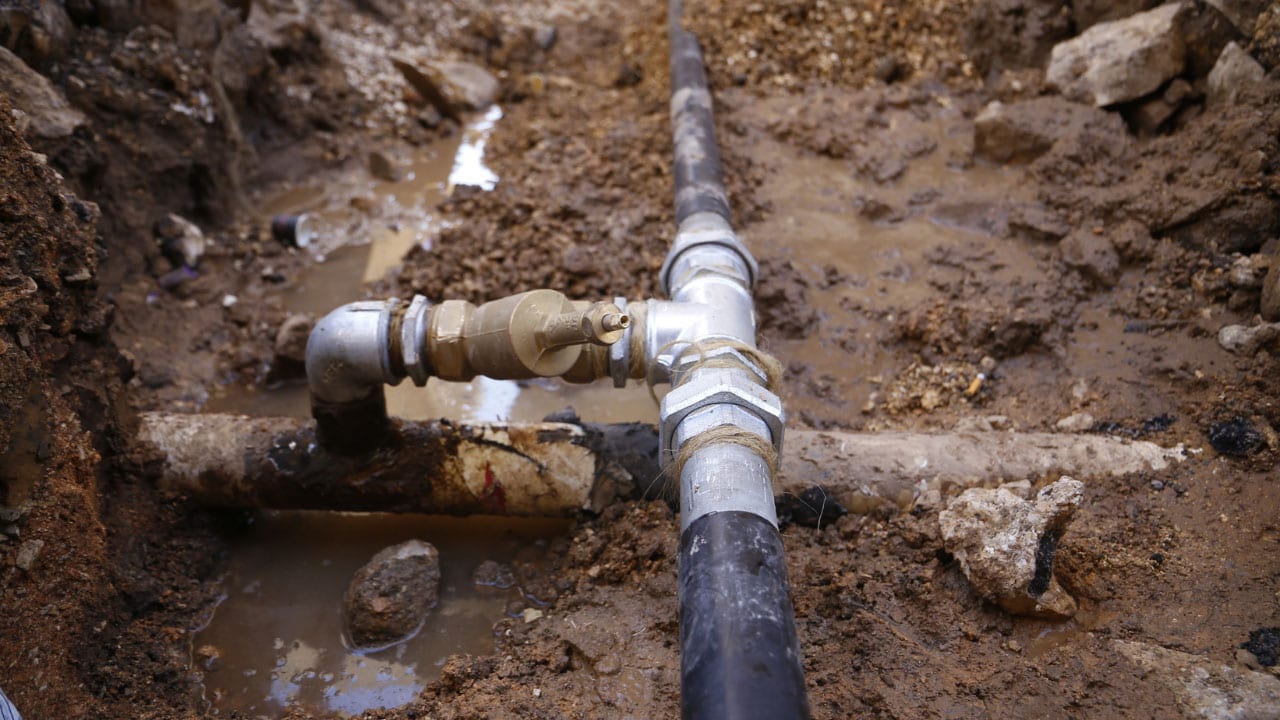
Underground utility damage

Key Takeaways

  • Underground utilities provide essential services such as water, electricity, and internet.
  • Using “Call Before You Dig” and other communication tools prevents utility damage.
  • Ground penetrating radar and other technologies are crucial for accurately locating underground utilities. This helps you avoid damage during excavations.
  • Comprehensive excavator training is essential to prevent damage. Regular utility maintenance is also vital to identify potential issues early.Educa
  • tional campaigns and predictive technologies are key. They raise awareness and cut risks linked to underground utilities.

Underground utilities are crucial for delivering essential services like water, electricity, and internet connections. However, increased excavation and insufficient notices to utility companies make systems more prone to damage.

Underground utility damage can be mitigated by:

  • Advanced detection technologies
  • Better training
  • Awareness campaigns

Understanding the causes is critical. So is enacting effective prevention strategies to safeguard these vital resources.  This blog explores the complexities of underground utility damage. It also outlines proactive ways for utility locating to reduce risks and ensure public safety.

Importance of Preventing Damage to Underground Utilities

Underground utilities are critical for modern life. But, the consequences of damaging them can be severe. Disruptions can lead to the loss of vital services, like electricity and water. They create safety hazards and cause big economic losses. So, managing and protecting them is crucial. It maintains service reliability and public safety and minimizes financial impacts.

Causes Of Underground Utility Damage

Lack of Awareness and No Locate Requests

Many factors lead to damage of underground utilities. One big factor is the lack of awareness about where they are. This is in addition to communication failure with notification systems before beginning excavation.

The “Call Before You Dig” initiative aims to prevent such issues. It does this by providing a clear way for excavators to request utility locations. Yet, damages still occur frequently due to non-compliance with this procedure.

Despite high awareness of the need to notify through systems like 811, many damages are caused by excavators who skip this step. As many as 25% of all utility damages are due to no notice to utilities. This suggests a persistent challenge in changing excavator behavior.

Locator Error And Inaccurate Utility Maps

Mistakes in finding underground utilities and using old or wrong utility maps cause most utility strikes. Locator errors may happen due to many factors. These include human error, using old data, and limits in detection equipment. These mistakes can lead to misidentified utility locations, making even well-planned excavations risky.

Hastily-planned Excavation Activities

The actual process of excavation is fraught with potential hazards. Standard and emergency digs can both lead to damages if not managed carefully. Not planning your dig carefully or forgetting safety rules can make it more likely to hit underground pipes and cables. Give lots of space to marked utilities. With more construction happening, there’s a bigger chance of accidents. To stay safe, follow safe digging rules.

Prevention Strategies For Underground Utility Damage

Call Before You Dig Initiatives

Calling before you dig is the best way to avoid hitting underground pipes and cables. This lets utility companies mark where everything is buried so you can dig safely. Call before you dig. If you don’t, you could damage pipes, cause project delays, or even create danger. So remember, call before you dig!

Use Of Locating Services

They are crucial for finding underground utilities. They include ground penetrating radar (GPR) and electromagnetic locators. GPR sends electromagnetic pulses into the ground to depict underground objects on a screen. Electromagnetic locators are commonly used for detecting metallic pipes and cables. It involves a receiver and a transmitter. They detect magnetic fields made by electric currents in utilities.

Proper Training And Safe Excavation Practices

Training for excavators and contractors on safe excavation practices is essential. It helps prevent underground utility damage. Potholing for utilities involves careful hand-digging. It confirms the presence of underground installations visually. It is a recommended safe excavation practice when exact utility locations are uncertain.

Regular training ensures that personnel know the best practices for avoiding damage. These include using white lining to pre-mark dig areas. They also use soft excavation technologies, like vacuum excavation, for uncovering utilities.

Regular Maintenance And Inspections

Regular inspections and maintenance of utility lines are vital to prevent unexpected failures. These measures help identify potential issues that could lead to damage if left unaddressed. Proactive maintenance can reduce utility damage, often caused by neglected infrastructure​​.

Educational Campaigns

Educational campaigns are crucial in raising awareness among public and professional excavators. It creates awareness about the risks associated with underground utilities. It also focuses on the importance of prevention methods. These campaigns spread information about safe digging. They stress the need to use locating services before digging starts.

Use Of Technology

Data analytics and predictive technologies transform how utility companies manage underground utility safety. Tools like Urbint Lens use predictive analytics to assess risk levels of different excavation sites. This allows utilities to focus on where and when to deploy locators. They can also oversee excavations. This targeted approach helps use resources and reduce the risk of damage.

Frequently Asked Questions

What are the dangers of damaging underground utilities?

Damaging underground utilities can trigger a cascade of problems. Disruptions to electricity and water can leave entire communities without basic necessities. More importantly, damaged gas lines or electrical wires pose serious public safety hazards. It can also lead to explosions or fires. The financial impact can be significant, too. It involves repair costs, fines, and delays in project timelines.

I’m a homeowner doing a small landscaping project. Do I still need to call before digging?

Absolutely! “Call Before You Dig” applies to any excavation project, regardless of its scale. Even a small digging job can disrupt underground utilities. It can cause serious consequences. It’s best to be cautious. Contact your local utility locating service before you dig.

I called before digging, but the utility locate marks seem inaccurate. What should I do?

If the marked locations seem off, don’t proceed with digging! Contact the utility company again to double-check the accuracy of the markings. For extra confirmation, you can also use private locating services. Remember, prioritizing safety is crucial.

What are some new technologies used to prevent underground utility damage?

One exciting advancement is “ground penetrating radar (GPR)”. This technology sends electromagnetic pulses into the ground. These pulses bounce back to create an image of underground objects, including utilities. This allows for a more precise understanding of what lies beneath the surface. It comes before any excavation begins. Additionally, predictive analytics is emerging as another powerful tool. By analyzing data, they can assess the risk level of excavation sites.

Prevent Underground Utility Damage With Util-Locate

Keeping underground utilities safe isn’t just about following rules. It’s about protecting people and ensuring homes and businesses have what they need, like water and electricity. Companies like Util-Locate help with this. They offer advanced services to find underground utilities before you dig. This helps prevent accidents and keeps everything running.

Ensure the safety of your excavation projects and protect essential underground utilities. Contact Util-Locate today. Discover how our professional utility locating services can help you avoid costly damages.

The Impacts and Costs of Striking Underground Utilities

Hitting underground utilities

Key Takeaways

  • Always use utility locating services. They mark underground utilities before any digging project. This ensures safety and efficiency.
  • Learn the significance of color-coded paint markings to prevent damage to various underground utilities during excavation.
  • Utilize tools like GIS and service plans to accurately map underground utilities and identify potential hazards before digging.
  • To minimize risks to underground utilities, use the right tools. Also, use safe digging methods, such as soft digging or vacuum excavation.
  • Supervise the dig. Keep in touch with utility companies, especially if we find unexpected utilities. Inspect and clean the area after digging to keep it safe and tidy.

Underground utilities are vital for modern infrastructure. They include water, gas, electricity, and telecommunications. These utilities run beneath our streets and buildings. As our infrastructure changes, accurate utility locating becomes more important. 

Hitting underground utilities by accident can be very costly and has the following additional impacts:

  • Safety issues
  • Property damage
  • Project delays
  • Harm to a company’s reputation

This article explores the types, risks, and financial implications of striking underground utilities. It underscores the importance of preventing utility strikes during projects.

The Problem Of Underground Utility Strikes

Underground utility strikes are a major concern in construction and excavation. They pose risks to worker safety, project timelines, and infrastructure integrity. These incidents happen often and can lead to severe consequences. People report utility strikes thousands of times each year. This shows a continuing risk despite improvements in technology and training.

Common Causes:

The primary causes of underground utility strikes include:

  • Inaccurate utility plans that outline the location of underground utilities. These plans are often outdated or inaccurate. 
  • Human errors in judgment also contribute to strikes. These errors can include failing to follow safety protocols or misinterpreting utility maps.
  • Lack of proper communication between construction teams and utility companies 
  • Insufficient use of technology to locate underground utilities can lead to accidents.

The Risks And Impact Of Striking Underground Utilities

Safety Hazards

  • Striking underground utilities during excavation can lead to severe accidents. These include explosions and electric shocks. Gas lines and electrical cables are particularly dangerous. An accidental strike can ignite gases or electrify equipment and the surrounding area. Such incidents pose life-threatening dangers. They endanger not only workers on site but also nearby residents and passersby.
  • Hitting underground utilities can also cause immediate and severe injuries to construction workers. Injuries can range from high-voltage electric shocks to explosions. Possible injuries include burns, electrocution, and even fatal injuries. These risks highlight the need for stringent safety protocols. It also emphasizes the need for preventive measures during excavation.

Property Damage

  • Damage to water pipes, gas lines, or cables can lead to service disruptions. They affect communities. For instance, a damaged water pipe can lead to water outages or flooding. Severed cables might disrupt telecom and internet services for thousands of users.
  • Damaging infrastructure affects the environment and public safety. Hitting underground utilities can disrupt services and damage roads, buildings, and other structures. This creates more safety risks and environmental problems. For instance, leaks from broken sewer lines or gas pipes can harm local ecosystems.

Delays

Utility strikes can result in halts in construction activity, leading to costly delays. These delays can last from a few days to several weeks. The delay depends on the severity of the damage and the complexity of repairs required. The longer the delay, the higher the cost impact. This affects the specific project and also other linked projects or operations.

Reputation Damage

Frequent or severe utility strikes can tarnish a company’s reputation. They make it seem negligent or incompetent. This damage can hurt relations with utility companies, regulators, and the local community. This can lead to lost contracts. It can also lead to more scrutiny and higher barriers to future business.

Financial Costs

Underground utility strikes can be expensive. It costs money to repair or replace the damaged utilities. The repairs might be complex and costly. This is especially true if the utility needs special handling or if the damage covers a large area.

Preventing Underground Strikes

Technology And Procedures

  • Advanced technologies like Ground-Penetrating Radar (GPR) and electromagnetic locators help find underground utilities. They reduce the risk of accidental strikes.
  • Utility locating services are essential for marking utility locations before excavation starts. 811’s free service ensures safety and compliance. But, it might not cover private lines. So, property owners need further consultations.
  • Potholing for utilities and using advanced mapping technologies is crucial. They help verify underground infrastructure before starting major excavation work.

Training And Communication

  • Comprehensive training for construction teams is crucial. They need to understand the risks of underground utilities. They should also know how to use detection technology properly.
  • Keeping communication lines open during the project is vital. It keeps everyone informed about potential underground hazards. This improves safety and project management.

Best Practices

  • Best practices include conducting thorough site surveys and using detailed service maps. Adhering to safety protocols like potholing can also help avoid strikes. This confirms the presence and location of utilities before digging.
  • Using insulated tools and specifically calibrated equipment minimizes the risk of utility strikes.

Frequently Asked Questions

Why is it important to know where underground utilities are before digging?

Knowing where utilities are helps prevent accidents. If we hit utilities like gas or water lines, it can cause big problems like explosions or floods. This keeps everyone safe and avoids damage.

What happens if a utility line is damaged during construction?

Damaging a utility line can stop services. It can cut off electricity or water to homes and businesses. It also causes delays in construction and can be very expensive to fix.

What technology helps prevent hitting underground utilities?

Tools like Ground-Penetrating Radar (GPR) and locators help us. We use them to see where utilities are buried. They help us see where they are. This technology makes it safer to dig and helps prevent accidents.

What should construction teams do before they start digging?

Teams should check detailed maps and use technology to find utilities. They should also talk regularly to make sure everyone knows where it’s safe to dig.

How does hitting utilities affect a construction company’s reputation?

If a company hits utilities often, people might think they are careless or not good at their job. This can make them lose business and have more rules to follow in the future.

Protect Your Construction Project From Financial Damages With Util-Locate

Hitting underground utilities can have serious consequences. To avoid this, it’s important to plan carefully and follow safety rules closely. The construction industry can lower these risks. They can do this by using advanced mapping. They can also do this by providing thorough training and maintaining strong communication. As construction projects get more complex, taking preventive steps is even more important. Experienced utility locating services like Util-Locate can help professionals improve their safety standards.

Don’t wait for an accident to happen! Protect your project proactively with Util-Locate’s expert services. Contact us today to discover how our utility detection can safeguard your operations. Our state-of-the-art solutions will streamline your workflows.