Demolition projects in Los Angeles require precise subsurface investigation before structures can be safely dismantled. Ground Penetrating Radar (GPR) scanning provides contractors with accurate, non-destructive imaging of hidden utilities, structural elements, and hazards. This technology has become critical for Los Angeles demolition safety compliance as urban density increases and aging infrastructure creates greater risk exposure.
The Los Angeles construction market demonstrates 68% adoption of demolition GPR scanning services across major projects. Contractors use this geophysical method to identify post-tension cables, underground utilities, and structural reinforcement before excavation. The technology prevents catastrophic failures while ensuring compliance with California seismic building codes and OSHA safety requirements.
Key Takeaways
- GPR technology detects rebar, post-tension cables, conduits, and underground utilities before demolition begins
- Utility strikes cost between $25,000 and $100,000 per incident in direct repair and project delays
- Los Angeles demolition projects show 68% GPR adoption rate due to dense infrastructure and seismic regulations
- Multi-frequency antennas provide different penetration depths for concrete inspection and deep utility detection
- Effective utility detection delivers a $21 return on investment for every dollar spent on GPR scanning
What is Ground Penetrating Radar and How Does It Work?
Ground Penetrating Radar is a geophysical tool that transmits electromagnetic pulses into subsurface materials. The system captures reflected signals from buried objects and structural elements to create detailed radargrams. Understanding how GPR technology operates helps contractors evaluate its applications for specific demolition scenarios.
The reflected electromagnetic waves reveal material density changes and object boundaries beneath concrete and soil. Skilled technicians interpret these signal patterns to distinguish between rebar grids, conduits, voids, and utilities. Data accuracy depends on antenna frequency selection, soil composition, and operator certification level.
Key Components of GPR Technology
Multi-frequency antennas provide real-time 3D visualization of subsurface conditions across different depth ranges. Control units process electromagnetic signals and display results through specialized software. Modern systems integrate GPS positioning for precise spatial mapping and permanent documentation of subsurface features.
Antenna selection determines penetration depth and resolution capabilities for specific demolition applications. Display screens show live radargrams during field operations for immediate decision-making. Digital storage preserves complete scan records for regulatory compliance and future reference.
Types of Antennas Used in Construction Scanning
High-frequency antennas ranging from 1.0 to 2.6 GHz detect rebar, post-tension cables, conduits, and voids. These antennas penetrate up to 18 inches into concrete with resolution sufficient for precise structural mapping. Contractors use high-frequency systems for concrete slab inspection before cutting or coring operations.
Lower-frequency antennas between 100 and 500 MHz achieve deeper ground penetration up to 15 feet. These systems locate underground utilities, including water mains, gas lines, and electrical conduits beneath building foundations. Very low-frequency antennas from 10 to 100 MHz provide deep geological interpretation for large-scale excavation projects.
Typical Applications in Construction Environments
Concrete Inspection & Structural Assessment dominates the market with 32% share across renovation and demolition work. Utility Detection & Mapping accounts for 28% of applications in pre-construction site evaluation. Demolition & Pre-Construction Assessment represents 22% of market activity, where hazard identification prevents catastrophic failures.
Environmental & Geophysical Surveys hold 12% market share for contamination mapping and geological analysis. These diverse applications demonstrate how ground-penetrating radar demolition services prevent accidents across multiple project types. Specialized contractors deploy different antenna configurations based on specific site conditions and investigation objectives.
Why is GPR Scanning Important for Demolition Projects?
GPR scanning prevents utility strikes and structural failures that cause catastrophic project delays and safety incidents. The technology identifies hidden hazards before demolition crews begin cutting, drilling, or excavating. Early detection of post-tension cables, live conduits, and underground utilities protects workers and reduces liability exposure.
Los Angeles demolition projects require a comprehensive subsurface investigation due to dense urban infrastructure and aging building stock. Utility locating services for demolition projects in Los Angeles must account for unmarked utilities installed decades before digital recordkeeping existed. Accurate pre-demolition scanning prevents damage to neighboring structures and critical public infrastructure.
Safety and Risk Mitigation Benefits
Utility strikes cost an average of $25,000 to $100,000 per incident, including repairs, fines, and delays. The Common Ground Alliance documented 192,000 utility damages in a single year across construction projects. Post-tension cable damage during demolition can cause catastrophic structural failure and total building collapse.
Live conduit damage during coring operations can cause fatal electrocution and fire hazards. GPR scanning reduces these risks by providing accurate subsurface maps before any destructive work begins. Contractors implementing systematic scanning protocols reduce insurance premiums and improve safety performance records.
Utility Detection and Hazard Identification
Subsurface utility mapping demolition operations require the identification of water, gas, electric, and telecommunications infrastructure. Advanced utility locating methods combine GPR with electromagnetic induction for comprehensive underground utility detection. This dual-technology approach provides verification of utility location and depth measurements before excavation.
Underground pipe networks often include PVC, copper, steel, and concrete materials that produce different radar signatures. GPR technicians distinguish between active utilities and abandoned infrastructure to prevent unnecessary service interruptions. Accurate utility mapping protects public services and prevents costly damage to neighboring properties during demolition.
Compliance with Los Angeles Seismic and Construction Codes
California Building Code requires verification of structural integrity before demolition permits can be issued. GPR scanning documents post-tension cable locations and reinforcement patterns for permit applications and safety plans. Seismic retrofit requirements mandate precise knowledge of existing structural systems before any modification begins.
OSHA regulations require hazard assessment and mitigation planning for all demolition projects involving structural elements. Factors affecting GPR accuracy include concrete moisture content, rebar density, and antenna frequency selection. Professional scanning services provide certified documentation that satisfies regulatory requirements and protects contractors from liability.
Who Adopts GPR Technology and What Influences Their Preferences?
The global Ground Penetrating Radar market reached $568.5 million in 2024, with projections of $915 million by 2030. This growth reflects increasing safety requirements and infrastructure investment across the construction and demolition sectors. The industry maintains a Compound Annual Growth Rate of 7.87% over the next five years.
The concrete investigation segment shows an anticipated CAGR of 9.2%, driven by structural renovation demand. Demolition contractors, structural engineers, and utility companies represent primary technology adopters seeking risk mitigation solutions. Market expansion reflects mandatory pre-construction scanning requirements in major metropolitan areas, including Los Angeles County.
Demographic Trends in GPR Adoption Within Construction
Highest adoption rates occur among professionals aged 45-54 at 72% and 35-44 at 68%. Mid-career project managers and experienced superintendents recognize the financial value of preventing utility strikes. Younger professionals increasingly receive GPR training as part of standard safety certification programs.
Urban construction markets show 76% adoption compared to 62% suburban and 38% rural areas. West Coast regions lead national adoption at 78% due to seismic codes and high property values. Dense infrastructure and strict regulatory environments drive technology investment in California construction markets.
Regional Factors Driving Adoption in Los Angeles
Los Angeles structural renovation projects demonstrate 72% GPR adoption for concrete scanning and structural assessment. Demolition projects show 68% adoption rate, reflecting mandatory pre-construction hazard evaluation requirements. High-rise construction maintains a 65% adoption rate for multi-floor concrete inspection and post-tension cable detection.
The city’s aging infrastructure includes unmarked utilities installed before comprehensive recordkeeping systems existed. Underground pipe locator services combine GPR with electromagnetic methods to verify utility positions. Seismic activity concerns and dense urban development patterns make Los Angeles a premium market for GPR technology.
Consumer Priorities When Selecting GPR Solutions
Construction professionals prioritize accuracy, safety features, and cost-effectiveness when evaluating GPR service providers. Project managers require real-time data delivery and comprehensive documentation for regulatory compliance. Equipment reliability and operator certification levels influence contractor selection decisions for critical demolition projects.
Service providers demonstrating 97% accuracy standards and extensive project portfolios receive preference for complex urban work. Contractors seek vendors offering 24/7 emergency response capabilities and permanent digital record storage. Insurance requirements and liability considerations drive demand for certified, experienced GPR service providers.
How is GPR Applied in Different Demolition and Construction Scenarios?
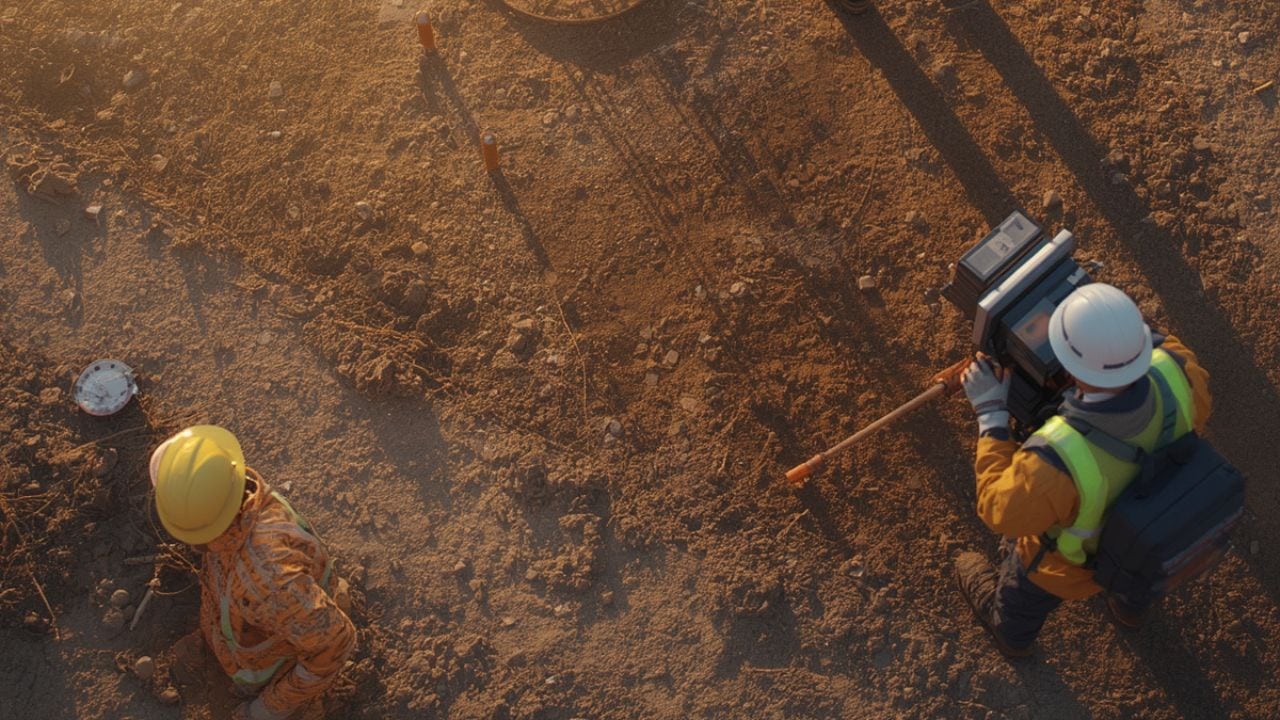
GPR applications vary based on project scope, structural complexity, and specific investigation objectives. Demolition contractors deploy handheld concrete scanners for localized inspection of walls, floors, and structural elements. Large-scale demolition projects require cart-based or vehicle-mounted systems for comprehensive site mapping.
Multi-frequency antenna systems provide flexibility to investigate different depth ranges during single-site visits. Contractors combine high-frequency concrete scanning with lower-frequency utility detection for complete subsurface assessment. Different concrete imaging methods include GPR, X-ray, and ultrasonic testing, depending on access constraints and investigation objectives.
Concrete Inspection and Structural Assessment in Demolition
High-frequency GPR systems locate post-tension cables within concrete slabs before cutting or demolition begins. Technicians map rebar patterns to identify safe cutting zones that avoid structural reinforcement damage. Void detection capabilities reveal honeycombing, delamination, and other concrete defects that affect structural integrity.
Pre-demolition concrete scanning prevents catastrophic cable release and partial building collapse during controlled demolition. Contractors document existing structural conditions to support safe demolition sequencing and equipment selection. Accurate concrete inspection reduces project delays caused by unexpected structural discoveries during active demolition work.
Utility Mapping for Pre-Demolition Hazard Evaluation
Lower-frequency GPR antennas penetrate soil and backfill to locate underground utilities approaching demolition sites. Technicians identify water mains, gas lines, electrical conduits, and telecommunications infrastructure within 15-foot depth ranges. Utility locating provides critical safety information that prevents service interruptions and catastrophic utility strikes.
Electromagnetic induction methods supplement GPR data for metallic utility verification and depth confirmation. Combined utility detection protocols ensure comprehensive subsurface mapping before any excavation or demolition begins. Accurate utility mapping protects neighboring properties and prevents costly damage to public infrastructure.
Multi-Frequency Systems for Complex Urban Environments
Complex Los Angeles demolition sites require multiple antenna frequencies for complete subsurface investigation. Technicians deploy high-frequency antennas for concrete inspection, followed by lower-frequency scans for deep utility detection. Sequential scanning protocols provide layered subsurface data from shallow structural elements to deep underground utilities.
Multi-frequency systems reduce project costs by eliminating the need for multiple equipment mobilizations. Real-time data integration allows immediate identification of conflicts between structural elements and underground utilities. Advanced visualization software combines multiple frequency datasets into comprehensive 3D subsurface models for demolition planning.
What are the Equipment Options and Pricing Models for GPR Scanning?
GPR equipment ranges from portable handheld units to sophisticated vehicle-mounted systems with premium pricing tiers. Equipment selection depends on project frequency, investigation depth requirements, and internal technical capabilities. Contractors evaluate purchase, rental, and professional service options based on annual project volume and capital availability.
Market pricing reflects equipment sophistication, antenna frequency ranges, and software capabilities for data interpretation. Professional service costs include equipment deployment, certified operator expertise, and comprehensive reporting for regulatory compliance. Return on investment calculations must account for utility strike prevention, insurance savings, and project delay avoidance.
Overview of Handheld, Cart-Based, and Vehicle-Mounted Systems
Handheld concrete scanners cost $11,000-$17,000 for purchase with $1,000-$2,500 monthly rental and $1,000-$1,500 daily service rates. These portable systems suit small to medium concrete inspection projects with limited depth requirements. Contractors performing frequent tenant improvements and renovation work typically invest in handheld equipment purchases.
Cart-based utility systems range from $14,000-$100,000 for purchase, with $1,000-$4,000 monthly rental and $1,500-$3,000 daily service. These systems provide greater scan coverage for utility mapping and medium-depth subsurface investigation. Vehicle-mounted systems cost $50,000-$150,000 for purchase with $5,000+ monthly rental and $3,000-$5,000 daily service rates.
Premium multi-frequency systems range from $20,000-$350,000 for purchase with $5,000+ monthly rental and $4,000-$5,000+ daily service. These advanced platforms integrate multiple antenna frequencies for comprehensive investigation from shallow concrete to deep utilities. Specialized consulting firms and large contractors typically operate premium systems for complex urban demolition projects.
Purchase Versus Rental Costs and Service Models
Purchase makes economic sense for contractors performing more than 50 projects annually with consistent investigation requirements. Equipment ownership provides scheduling flexibility and eliminates mobilization delays for time-sensitive demolition projects. Payback periods typically range from 6-18 months for active contractors with steady project pipelines.
Rental suits moderate-frequency contractors performing 5-20 projects yearly without capital for equipment purchase. Monthly rental agreements provide access to current technology without maintenance responsibilities or obsolescence risk. Professional service hiring benefits low-frequency users performing fewer than 5 projects annually who lack trained operators.
Market Leaders and Competitive Positioning in GPR Equipment
Geophysical Survey Systems, Inc. (GSSI) dominates the concrete scanning segment with proven reliability and comprehensive operator training. Hexagon AB (Leica) positions in the premium utility detection tier with advanced multi-frequency systems and software. Market leaders provide extensive operator certification programs and technical support for complex demolition applications.
Equipment manufacturers differentiate through antenna technology, software capabilities, and post-sale technical support. Professional service providers compete on accuracy standards, operator certification levels, and client portfolio credentials. Los Angeles contractors select vendors based on local project experience and documentation quality for permit applications.
How Do Contractors Decide Between Buying, Renting, or Hiring GPR Services?
Decision frameworks compare project frequency, capital investment capacity, training requirements, and liability management priorities. Contractors performing frequent demolition work evaluate equipment purchase against long-term rental and service costs. Financial analysis includes utility strike prevention savings, insurance premium reductions, and project delay avoidance benefits.
Professional service hiring shifts technical liability to certified providers with comprehensive insurance coverage and proven accuracy records. Equipment purchase or rental requires extensive operator training and internal expertise development for accurate data interpretation. Return on investment calculations must account for both direct cost savings and risk mitigation value.
Evaluating Project Frequency and Capital Investment
High-frequency contractors performing more than 50 annual projects achieve equipment purchase payback within 6-18 months. Project volumes justify capital investment and operator training expenses through consistent utilization and scheduling control. Equipment ownership eliminates mobilization delays and provides competitive advantages for time-sensitive demolition bids.
Moderate-frequency contractors performing 5-20 annual projects benefit from rental agreements without capital commitment. Rental models provide technology access while avoiding maintenance expenses and equipment obsolescence risks. Low-frequency contractors performing fewer than 5 annual projects minimize costs through professional service arrangements.
Training and Liability Considerations
Equipment purchase requires extensive operator training and certification to ensure accurate data interpretation and regulatory compliance. Complex radargrams demand skilled analysis to differentiate between PVC pipes, rebar grids, and subsurface voids. Misinterpretation risks include utility strikes, structural damage, and project delays from inaccurate subsurface information.
Liability shifts to contractors when purchasing or renting GPR equipment for self-operated demolition investigations. Professional service providers carry comprehensive insurance coverage protecting clients from technical errors and investigation oversights. Certified service providers deliver documentation quality meeting permit requirements and audit standards for Los Angeles demolition projects.
Return on Investment and Risk Reduction Analysis
Effective utility detection yields an ROI of $21 for every dollar spent on professional GPR scanning. This return calculation includes utility strike prevention, project delay avoidance, and insurance premium reductions. Contractors avoiding single utility strike incidents typically recover annual GPR service costs through damage prevention alone.
Payback periods for equipment purchases typically range from 6 to 18 months for contractors maintaining consistent demolition project volumes. Financial models must account for training expenses, maintenance costs, and potential obsolescence as technology advances. Risk reduction benefits include worker safety improvements, regulatory compliance assurance, and liability exposure minimization.
What Strategies Optimize GPR Use for Demolition Projects in Los Angeles?
Strategic GPR integration requires matching technology deployment to specific project requirements and contractor capabilities. Demolition firms must evaluate whether internal scanning capabilities or specialized service providers better serve project objectives. Decision frameworks consider project complexity, regulatory requirements, and liability management priorities for Los Angeles demolition work.
Optimal strategies balance cost control with accuracy requirements and safety compliance mandates from California building codes. Contractors develop standard protocols integrating GPR scanning into pre-demolition planning and permit application processes. Systematic scanning procedures reduce project delays and create permanent documentation for regulatory compliance.
When to Hire Specialized GPR Service Providers
Complex urban demolition projects with dense infrastructure require certified service providers offering 97% accuracy standards. High-liability scenarios involving post-tension buildings or critical public utilities justify professional scanning over self-operated equipment. Emergency response situations demand 24/7 service availability that specialized providers maintain through dedicated technical teams.
Projects requiring comprehensive documentation for permit applications benefit from professional reporting and certified data interpretation. Specialized providers deliver audit-ready documentation meeting ASCE C-A 38-02 standards for subsurface utility mapping. Contractors managing multiple simultaneous projects avoid equipment investment through on-demand professional service arrangements.
Recommendations for Mid-Sized Contractors’ Equipment Investment
Mid-sized renovation and demolition firms performing 20-50 annual projects should consider handheld concrete scanner purchases. Internal equipment ownership provides scheduling flexibility and eliminates subcontractor coordination delays for routine concrete inspection. Investment in operator certification programs ensures accurate data interpretation and regulatory compliance for standard demolition applications.
Contractors should maintain relationships with professional service providers for complex utility mapping and deep subsurface investigation. Hybrid approaches combining owned handheld equipment with outsourced utility detection services optimize cost and accuracy. Equipment selection should prioritize manufacturers offering comprehensive training programs and local technical support.
Integrating GPR Scanning Into Standard Demolition Protocols
Project managers must treat GPR scanning as a mandatory pre-demolition requirement rather than an optional assessment. Standard operating procedures should specify scanning requirements based on building age, structural type, and utility density. Documentation protocols must preserve digital scan records for permit applications, insurance purposes, and future project reference.
Safety planning requires GPR data integration before equipment mobilization and worker deployment to demolition sites. Permit applications should include certified GPR reports documenting subsurface conditions and hazard mitigation strategies. Quality control processes must verify scanning completeness and data accuracy before authorizing destructive demolition activities.
Strategic Integration of GPR Scanning in Los Angeles Demolition Projects
Ground-penetrating radar demolition services have become essential for safe, compliant project execution across Los Angeles construction markets. The technology prevents catastrophic utility strikes, reduces project delays, and ensures regulatory compliance with California seismic codes. Contractors implementing systematic GPR protocols protect workers, control costs, and maintain competitive advantages in dense urban environments.
Effective deployment requires strategic decisions matching equipment capabilities to project requirements and contractor technical resources. Professional service providers offer certified expertise for complex investigations, while equipment ownership suits high-frequency contractors with trained operators. Util-Locate has served Southern California construction markets since 2001, performing over 11,000 annual subsurface investigations with 97% accuracy standards.
Schedule Your Pre-Demolition GPR Scan with Util-Locate
Before your crew cuts, cores, or excavates a single Los Angeles demolition site, know exactly what sits beneath the surface. Util-Locate has delivered accurate subsurface utility mapping and concrete scanning since 2001, with a 97% accuracy rate that helps contractors avoid post-tension cable strikes, live conduit hits, and the $25,000 to $100,000 price tag that comes with them. Our certified technicians provide real-time, on-site data and ASCE-compliant documentation that satisfies California seismic and OSHA requirements. Schedule your service online and dig with confidence on your next project.
