
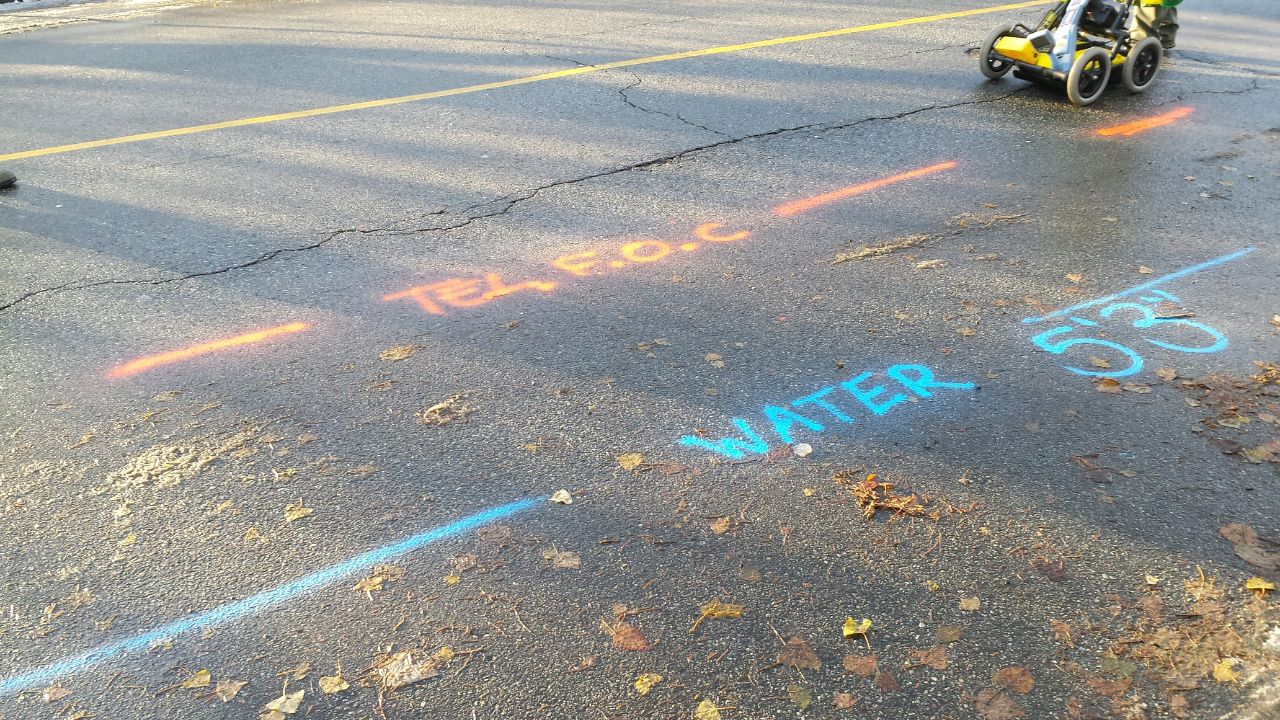
Key Takeaways
- December Multiplies Utility Strike Deaths Frozen ground traps gas causing lateral migration—Minnesota explosion killed 4 people in 40 minutes. December transforms strikes into disasters through underground conditions that prevent dissipation.
- No Emergency Exemptions Exist OSHA requires underground utility locating services before ALL excavations. December emergencies don’t exempt compliance—winter excavation safety violations carry full penalties plus criminal charges.
- Strikes Cost $75,000-$500,000+ Professional utility locators cost $2,000-$5,000. December adds 30-50% premiums for frozen repairs. Skipping underground utility locating services turns thousands saved into hundreds of thousands lost.
- Standard Equipment Fails in Cold Batteries drop 50% capacity. Ice blocks signals. Snow buries markings. Winter excavation safety requires cold-rated utility locators with specialized equipment—summer tools guarantee failure.
- Deadline Pressure Kills Every December fatality involved contractors who skipped underground utility locating services for deadlines. Year-end pressure and emergency repairs drive fatal shortcuts that destroy businesses and lives.
Contractors skip utility locating in December due to intense year-end deadline pressures, emergency repair demands, and dangerous cost-cutting decisions. The combination of shortened daylight hours, weather delays, and fiscal year-end budgets creates pressure to bypass underground utility locating services that seem “optional.” December’s emergency excavations for burst pipes and frozen infrastructure failures intensify the temptation to skip proper utility locators and start digging immediately.
The misconception that frozen ground is “stable” and easier to work with fuels risky decisions. Many contractors assume winter excavation safety is improved because frozen soil appears solid and utilities seem more visible without vegetation. This false confidence, combined with the belief that 23-28 weather delay days have already consumed their buffer time, drives contractors to eliminate what they perceive as “extra” steps. When emergency repairs demand immediate action and weather windows close rapidly, proper utility locating becomes the first corner cut.
Year-end budget constraints amplify these pressures. Projects racing to completion before fiscal deadlines view underground utility locating services as expendable expenses rather than critical safety measures. The reduced availability of utility locators during holiday periods, combined with extended 811 response times, creates frustration that pushes contractors to proceed without complete information. December’s perfect storm of time pressure, budget limits, and emergency conditions makes skipping professional utility locating seem justified—until disaster strikes.
What Makes December the Deadliest Month for Utility Strikes?
December combines the year’s highest concentration of emergency infrastructure failures with the lowest accuracy rates for underground utility locating services. Every 9 minutes, a utility line is damaged nationwide—but December rates spike significantly higher due to frozen ground conditions, obscured markings, and compressed work schedules. The 213,792 utility damages reported in 2022 show winter months, particularly December, are vastly overrepresented. When utility locators experience 50% reduced equipment accuracy and contractors face emergency repair pressures, strike rates multiply. December’s unique combination of frozen ground preventing gas dissipation, snow-covered utility markings, and holiday-reduced utility company response times creates the year’s most dangerous excavation environment.
The deadliest factor is December’s frozen ground, which fundamentally changes strike consequences. Gas that would normally dissipate upward becomes trapped below the frost line and migrates horizontally into building foundations—the Minnesota explosion that killed four people occurred just 40 minutes after the initial strike. Burst water mains freeze within minutes, hiding damage that would be immediately visible in warmer months. Winter excavation safety becomes exponentially more critical when frozen conditions transform routine strikes into catastrophic events. Professional utility locating isn’t just about finding utilities in December—it’s about preventing disasters that unfold differently than any other month.
How Does Frozen December Ground Change Utility Strike Consequences?
- Gas trapped below the frost line migrates horizontally to building foundations rather than dissipating upward, creating explosive accumulation in basements within 40 minutes of initial utility strike
- Frozen soil prevents immediate leak detection through ground saturation, hiding severed water mains for hours until ice formations reveal damage
- Electrical conduits become brittle in extreme cold, increasing break severity when struck—higher amperage releases and more extensive repairs required
- December temperature swings cause ground heaving that shifts utility positions away from markings placed by utility locators weeks earlier during pre-freeze conditions
- Ice formations can conceal utility damage for extended periods, delaying emergency response and multiplying costs when frozen ground complicates repair access for underground utility locating services
What December Weather Patterns Increase Strike Risk?
December weather creates a cascade of hazards that compromise winter excavation safety and utility locating accuracy. Early snowfall before ground freezes completely buries surface markers placed by utility locators, while black ice formation obscures excavation hazards and utility flags that guide safe digging zones. Temperature fluctuations unique to December cause ground heaving that shifts buried infrastructure away from recorded positions, making even recent underground utility locating services potentially inaccurate. Extreme wind chill reduces equipment battery life to under 2 hours, causing mid-project failures that leave excavations exposed without proper utility verification. Storm systems that concentrate in December delay 811 response times beyond legal minimums, pressuring contractors to proceed without complete utility locating data when weather windows open briefly between fronts.
What Do December Utility Accidents Reveal About Skipping Locates?
Real December incidents demonstrate that skipping underground utility locating services transforms routine excavations into fatal disasters. Frozen ground conditions, emergency repair pressures, and year-end deadline stress create the exact circumstances where proper utility locating becomes most critical—yet contractors most frequently skip it. These cases prove that December’s unique hazards don’t just increase accident probability—they multiply consequences.
What Happened in the December 2001 Cecil County Trench Collapse?
On December 11, 2001, a dairy farm excavation in Cecil County turned deadly when frozen December ground collapsed without warning. A worker was entombed and killed while a second worker was rescued from the unstable trench. The investigation revealed that inadequate utility locating procedures combined with December’s frozen soil conditions created unpredictable trench wall stability. What appeared to be solid frozen ground was actually a massive frozen slab that broke free when excavation approached buried utilities.
The tragedy highlighted how winter excavation safety requires more than standard protocols. December conditions made the trench walls appear stable, but temperature fluctuations had created internal fractures in the frozen soil. The crew proceeded without comprehensive underground utility locating services, assuming the frozen ground provided additional safety. Instead, the frozen December soil became the weapon that killed an experienced worker. Professional utility locators would have identified both the utilities and the unstable frozen ground conditions before excavation began.
Why Did a December Gas Line Strike Cause Multiple Explosions?
A Minnesota contractor severed a buried natural gas pipeline with digging equipment, then made a fatal error: reporting the leak to his supervisor but not to 911 or the utility company. The contractor assumed the frozen December ground would contain the leak temporarily. Within 40 minutes, gas migrated through frozen soil into a nearby building and exploded. Four people died. Eleven suffered injuries. Six buildings were destroyed.
Frozen December ground prevented the gas from dissipating upward as it would in warmer months. Instead, it traveled laterally through soil pathways, accumulating in building basements with explosive concentrations. The contractor had skipped proper underground utility locating services to meet a year-end deadline, believing the emergency nature of the repair justified the shortcut. Winter excavation safety protocols exist specifically because December’s frozen conditions transform gas leaks from controllable incidents into mass casualty events. Professional utility locators understand that December strikes don’t just damage utilities—they create bombs.
What December Emergency Repairs Lead to Fatal Mistakes?
A Missouri contractor faced pressure to repair burst pipes before the holiday season. Rather than waiting for scheduled utility marking, he began digging one day before the utility locators were scheduled to arrive. The excavator struck a 6-inch high-pressure gas line within hours. Emergency crews capped the line in 2 hours with no injuries—pure luck prevented another Minnesota-style disaster.
The incident reveals December’s most dangerous pattern: emergency repairs for freeze-related failures create intense pressure to skip underground utility locating services. The contractor knew proper protocols required waiting for utility locating, but December’s compressed work windows and emergency conditions made the risk seem acceptable. Winter excavation safety requirements don’t include exemptions for emergencies—yet December’s cascade of infrastructure failures consistently pushes contractors to bypass the utility locators who could prevent catastrophe. Every December emergency repair that skips proper locating is a disaster waiting to happen.
What Are the Legal Consequences of Skipping December Utility Locates?
Federal and state laws provide no exemptions for winter conditions, emergency repairs, or year-end deadlines. Contractors who skip underground utility locating services in December face identical penalties to those who violate protocols in summer—but December violations more frequently result in fatalities, triggering criminal charges alongside regulatory fines. OSHA requirements for utility locating apply regardless of frozen ground, compressed schedules, or emergency conditions. Winter excavation safety violations that cause deaths can result in both organizational penalties and individual criminal liability for project managers and competent persons who authorized excavation without proper utility locators.
What OSHA Violations Result From Skipped Locating?
- OSHA 1926.651(b)(1) violation: Location of underground utilities SHALL be determined PRIOR to excavation—no weather exemptions exist for this mandatory requirement, and December conditions don’t modify legal obligations for utility locating
- Competent person liability: The designated competent person faces personal criminal charges when proceeding without underground utility locating services results in worker deaths or serious injuries during winter excavation
- Willful violation penalties: Skipping utility locators to meet deadlines constitutes willful violation with fines up to $156,259 per occurrence—multiple utility strikes in December can compound to millions in OSHA penalties
- Criminal charges for fatalities: When deaths result from skipped utility locating, OSHA refers cases for criminal prosecution with potential imprisonment for contractors and project managers who authorized unsafe winter excavation
- Repeat violation status: Previous utility strikes trigger repeat violation penalties at 10x standard fines—contractors with winter excavation safety violations face exponentially higher December penalties on subsequent incidents
What Are the Financial Penalties for December Utility Strikes?
December utility strikes carry 30-50% higher costs than identical incidents in warmer months due to frozen ground repair complications, holiday labor premiums, and extended project delays. The $30 billion in annual nationwide utility strike costs show individual incidents averaging $75,000-$500,000 in direct expenses—but December adds frozen ground excavation challenges, emergency overtime rates during holidays, and extended equipment rental when crews can’t work in extreme cold. Contractors who skip underground utility locating services to save $2,000-$5,000 in professional utility locators’ fees risk hundreds of thousands in penalties, repairs, and legal settlements. Winter excavation safety violations that cause injuries multiply costs exponentially through workers’ compensation claims, OSHA fines, and long-term insurance premium increases that persist for years after December incidents.
How Much Does Skipping Utility Locating Really Cost in December?
The true cost of skipping underground utility locating services in December extends far beyond the strike itself. Direct repair expenses, project delays, regulatory penalties, and long-term insurance consequences compound into financial disasters that dwarf the modest fees professional utility locators charge. December’s frozen ground conditions add 30-50% premiums to every cost category compared to summer incidents. Contractors who eliminate utility locating to save a few thousand dollars routinely face six-figure losses when strikes occur. Winter excavation safety isn’t an expense—it’s insurance against catastrophic financial consequences that destroy businesses.
| Cost Category | Typical Range | December Premium |
| Direct Repair | $50,000-$200,000 | +30-40% for frozen ground excavation, thawing equipment, and emergency restoration of underground utilities |
| Project Delay | $5,000-$50,000/day | +50% due to holiday scheduling, reduced contractor availability, and weather-related work stoppages |
| OSHA Fines | $15,625-$156,259 | No seasonal reduction—willful violations for skipped utility locating carry maximum penalties regardless of December conditions |
| Legal Settlements | $100,000-$5M+ | Higher settlements when winter excavation safety violations cause fatalities in preventable December accidents |
| Insurance Increases | 20-150% premium hike | Permanent rate impact after December utility strikes—carriers view winter violations as evidence of systemic safety failures |
| Work Stoppage | $96/hour idle crew cost | Extended through holidays when replacement workers unavailable—emergency utility repairs during December cost 2-3x normal rates |
| Equipment Damage | $25,000-$150,000 | Excavators hitting high-pressure gas or electrical lines sustain catastrophic damage requiring complete replacement, not repairs |
Professional underground utility locating services cost $2,000-$5,000 for typical December projects. Every line item above represents what happens when contractors skip utility locators to save those fees. December’s frozen conditions don’t just increase costs—they guarantee that utility strikes become business-ending financial catastrophes.
What December Conditions Require Mandatory Utility Locating?
Federal and state laws mandate underground utility locating services for all December excavations, regardless of emergency status or frozen ground conditions. Winter excavation safety regulations provide no exemptions for shortened timelines, holiday schedules, or emergency repairs. Every condition below triggers mandatory utility locating—skipping professional utility locators under any circumstance violates law and eliminates legal liability protections.
- All excavations deeper than 12 inches require 811 calls at least 2 business days before digging—December frost depth reaches 18-48 inches in most regions, meaning virtually all winter excavation penetrates zones requiring underground utility locating services.
- Emergency repairs for burst pipes and frozen infrastructure do NOT exempt utility locating requirements—federal law mandates utility locators mark lines before any excavation, including urgent December repairs that contractors perceive as time-critical.
- Private utilities need separate professional locating even with 811 compliance—public utility marking through 811 doesn’t cover private gas lines, electrical service laterals, or communication cables that underground utility locating services must identify independently.
- Abandoned utility lines are more common in older December development zones Verification is required—defunct gas pipes, capped water services, and decommissioned electrical conduits remain energized or pressurized and demand confirmation from utility locators before excavation.
- Snow-covered ground increases mandatory hand-exposure requirements within tolerance zones—when utility markers are buried under December snow, winter excavation safety protocols require hand tools to expose exact utility positions before mechanical digging
- Hydro-vacuum excavation becomes required within tolerance zones in frozen conditions—OSHA accepts hydro-vac as an approved method for exposing utilities when frozen December ground makes hand tools ineffective, necessitating professional underground utility locating services with specialized equipment
- Ground heaving from freeze-thaw cycles requires re-verification of utility positions—utilities marked before the ground froze may have shifted 6-12 inches due to December temperature swings, mandating new utility locating before excavation proceeds in previously marked areas
How Do You Maintain Utility Locating Compliance in December?
December compliance demands proactive planning, specialized equipment, and clear safety triggers. Contractors who maintain winter excavation safety schedule underground utility locating services early, use cold-weather detection equipment, and establish postponement criteria that override deadlines. Professional utility locators prevent the catastrophic December strikes that destroy businesses and kill workers.
What Pre-December Planning Prevents Dangerous Shortcuts?
- Schedule underground utility locating services before Thanksgiving, when ground remains accessible and utility locators can accurately mark lines before frost complications and emergency pressures intensify
- Build 30+ weather delay days into December timelines to eliminate pressure that drives skipping utility locating when storms compress work windows and winter excavation safety protocols become inconvenient
- Pre-mark sites with black flags before the first snowfall so utility locators have visible references and markings remain identifiable under snow that obscures standard utility marking systems
- Contract professional utility locators with winter experience early—verify cold-weather equipment and establish 24-hour emergency response guarantees before December’s busy season begins
- Establish written emergency protocols with guaranteed response times, specifying how burst pipe repairs receive immediate underground utility locating services without bypassing safety requirements
- Document all 811 calls and maintain on-site ticket copies to prove compliance if strikes occur—dated records demonstrate proper utility locating procedures were followed
What Equipment Ensures Accurate December Utility Detection?
- Multi-frequency GPR systems calibrated for frozen ground overcome ice-related signal issues when standard equipment fails in December—professional underground utility locating requires winter-specific technology
- Cold-weather electromagnetic locators with extended batteries maintain full detection while standard utility locators lose 50% capacity in sub-zero conditions
- Hydro-vacuum excavation trucks with heated water safely expose utilities in frozen ground—the only OSHA-approved non-destructive method for winter excavation safety verification
- Backup battery systems rated for extreme cold prevent equipment failures that leave excavations exposed without utility verification during underground utility locating operations
- Trailer-mounted light towers for shortened December daylight enable utility locators to work during compressed 9-10 hour winter days and verify markings in low-light
- GPS marking systems function through snow record utility positions electronically when paint and flags become buried—maintains winter excavation safety when weather obscures physical markers
When Should December Projects Be Postponed for Safety?
- When 811 cannot respond within legal timeframes, proceeding without complete marking violates federal law, regardless of emergency status affecting underground utility locating services
- Temperature below -10°F—utility locators’ equipment loses reliability at extreme cold, making winter excavation safety impossible to guarantee
- Wind chill creates frostbite risk under 15 minutes—worker safety prevents crews from safely verifying positions during underground utility locating procedures
- Snow exceeds 6 inches, and buries utility markings—excavating without visible markers from utility locators violates winter excavation safety and competent person responsibilities
- Ice storms create fall hazards—slippery conditions endanger utility locators during marking or crews during hand-exposure, mandating postponement
- Emergency pressure tempts shortcuts—if stress causes consideration of skipping underground utility locating services, conditions are too dangerous, and postponement becomes mandatory
Don’t Let December Deadlines Turn Into Disasters—Call Util-Locate Now
December’s frozen ground, emergency pressures, and year-end deadlines create the year’s deadliest conditions for utility strikes. Util-Locate provides professional underground utility locating services with certified utility locators, winter-rated GPR and electromagnetic equipment, and hydro-vacuum excavation capabilities designed for frozen ground challenges.
Our utility locators maintain full winter excavation safety compliance with 24-hour emergency response, cold-weather detection systems, and comprehensive OSHA protocols. We understand that December doesn’t pause for proper utility locating, which is exactly why you need professionals who work in any conditions.
Schedule your December utility locating before conditions worsen. Contact Util-Locate today for underground utility locating services that prevent strikes, protect workers, and keep projects compliant through the deadliest month of the year.
Call now or visit our website to request immediate winter utility locating.
