Key Takeaways
- Winter creates a damage cost paradox: While excavation activity drops 25-40%, each utility strike costs 65% more, ranging from $45,000 to $450,000 depending on severity.
- Prevention delivers 50:1 ROI: Investing $2,500 in comprehensive locating prevents an average $125,000 strike, saving $18-$72 for every dollar spent on upfront protection.
- Frozen ground requires specialized technology: Combine cold-weather calibrated GPR, EM locating with alternative grounding, and vacuum excavation with heated water systems for maximum effectiveness.
- Critical timing windows demand attention: Implement frozen conditions protocols when soil freezes to 1-2 inches depth, and limit excavation pace to 24-72 hour cycles to prevent frozen spoil complications.
- Regulatory compliance is non-negotiable: Call 811 a minimum 48-72 hours before excavation and maintain PHMSA compliance to avoid penalties up to $200,000 per day per violation.
Winter construction isn’t slowing down, if anything, it’s accelerating. As natural gas production expands across northern states and projects face compressed schedules to meet service deadlines, more contractors find themselves excavating in frozen conditions. The challenge? Winter doesn’t just make digging harder, it fundamentally changes how utilities can be located, how excavation must proceed, and what happens when something goes wrong. A utility strike that costs $75,000 to repair in July can balloon to $125,000 in January, with frozen ground adding 40-80% to emergency response costs. Yet many contractors approach winter excavation with summer protocols, discovering too late that frozen conditions demand entirely different strategies.
The data tells a sobering story: utility damages cost the United States $30 billion annually, with strikes occurring every 6 minutes. While overall excavation activity decreases by 25-40% in winter, the risk and cost per project actually increase. This paradox catches unprepared contractors off guard, turning what seemed like a routine project into a financial disaster. But it doesn’t have to be this way.
Understanding winter-specific risks and implementing proven preventing utility strikes transforms frozen conditions from a liability into a manageable challenge, one that delivers exceptional returns when handled correctly.
What Are The Key Utility Damage Risks That Increase In Winter?
Winter excavation creates a paradox: fewer projects happen, but each faces higher risk. Understanding which hazards pose the greatest threat allows contractors to prioritize protection measures and allocate resources effectively. The following winter utility damage risks represent the primary challenges documented across northern climate construction projects.
Critical Winter Risk Factors
The Winter Paradox: While excavation activity decreases by 25-40% in winter, the risk and cost per project actually increase significantly. In the United States, utility damages cost approximately $30 billion annually, with 532,000 incidents occurring, roughly one utility strike every 6 minutes. Understanding these risks is essential whether you’re managing utility locating in California‘s occasional freezes or handling sustained frozen conditions in northern states.
List of Winter-Specific Utility Damage Risks:
- Frozen Ground & Reduced Locating Accuracy – Impairs the effectiveness of locating technologies and makes digging more difficult
- Snow Cover Hiding Utility Markers – Obscures vital utility markers and can prevent visual observation of the construction work area
- Reduced Visibility & Shorter Daylight Hours – Forces work into less optimal times and increases risk during peak incident windows (10 a.m. to noon)
- Saturated/Frozen Soil Conditions – Makes it harder to detect and expose utilities accurately
- Equipment Performance Issues – Cold weather affects locating and excavation equipment, with hydraulic systems becoming sluggish
- Higher Emergency Repair Costs – Winter utility damage repairs cost 40-80% more than summer repairs
- Rushed Year-End Construction Schedules – Projects rushed to complete before year-end face compressed timelines
- Reduced Staffing During Holiday Periods – May result in less experienced crews on site
Winter Risk Assessment Matrix
The matrix below plots each winter hazard by likelihood and severity, enabling data-driven decisions about where to focus mitigation efforts. High-priority risks demand immediate attention and specific countermeasures.
| Risk Factor | Likelihood (1-5) | Severity (1-5) | Risk Level | Cost Impact |
| Frozen Ground & Reduced Accuracy | 4 (Likely) | 4 (Major) | High | 40-60% higher labor costs |
| Snow Cover & Hidden Markers | 5 (Almost Certain) | 3 (Moderate) | Critical | 2.17% of all strikes were due to “marks faded, lost or not maintained” |
| Reduced Visibility & Shorter Daylight | 4 (Likely) | 3 (Moderate) | High | Peak incidents 10am-noon; highest consequences 1-4am |
| Rushed Year-End Schedules | 3 (Possible) | 4 (Major) | High | Compressed timelines increase pressure |
| Saturated/Frozen Soil Conditions | 4 (Likely) | 3 (Moderate) | High | Requires advanced locating technologies |
| Higher Emergency Repair Costs | 2 (Unlikely) | 5 (Catastrophic) | Medium | 65% higher cost per incident than the annual average |
| Equipment Performance Issues | 3 (Possible) | 3 (Moderate) | Medium | Cold weather calibration required |
| Reduced Staffing & Holiday Periods | 3 (Possible) | 3 (Moderate) | Medium | Requires cross-training |
Why Are Utility Damage Risks Higher In Winter?
Winter doesn’t just make excavation harder; it fundamentally changes how utility systems respond to disturbance and how effectively they can be located. Frozen conditions affect every stage of the excavation process, from initial detection through emergency repair, creating compounding risks that drive costs dramatically higher. The consequences of inadequate preparation can be severe, as illustrated by catastrophic failures that could have been prevented through proper locating protocols.
The Cost Reality: While winter sees 25% fewer strikes than the annual average, each incident costs 65% more due to frozen ground complexity, specialized equipment needs, and extended project delays. The average cost per utility damage is approximately $56,391, but winter emergency repairs can range from $45,000 to $450,000 depending on severity.
How Temperature And Conditions Affect Utility Systems
Different winter conditions create distinct challenges for utility detection and protection. The table below shows how specific environmental factors increase both the difficulty of safe excavation and the cost of repairs when damage occurs.
| Environmental Condition | Impact on Utilities | Detection Challenges | Average Repair Cost Increase |
| Sustained freezing (soil frozen 1-2″ or more) | Frozen ground reduces locating accuracy; harder excavation | GPR signal scattering from ice layers; EM locating requires alternative grounding | 40-80% premium |
| Snow accumulation | Obscures utility markers; prevents visual observation | Markers not visible; delayed utility marking verification | +67% for major repairs |
| Sub-zero temperatures (-10°F or below) | Equipment performance issues: hydraulic systems sluggish | Locating device accuracy compromised | +80% for minor repairs |
| Freeze-thaw cycles | Frost heave; ground movement poses additional risks to pipelines | Depth measurements become unreliable | +90% for emergency response |
How Winter Conditions Create A “Perfect Storm” For Utility Strikes
Multiple risk factors converge during winter excavation, each amplifying the others. When compressed schedules meet equipment limitations and reduced visibility, the probability of a costly strike increases exponentially.
Contributing Factors:
- Compressed Work Windows – Shorter daylight hours (peak incident window: 10 a.m. to noon) force rushed operations
- Equipment Limitations – Cold weather affects both locating and excavation equipment performance
- Human Factors – Nearly 31% of construction workers risk their lives by not following proper utility strike prevention protocols (UK data, 2020)
- Natural Forces – Frost heave and ground movement pose additional threats to pipeline system integrity
- Visibility Issues – Snow cover and reduced daylight create coordination challenges
- Emergency Work Conditions – After-hours excavation (1-4 a.m.) involves reduced support access and higher consequences
How Can You Identify Utility Damage Risks Before Winter Hits?
Proactive risk identification prevents costly surprises. The most successful winter projects begin assessment months in advance, allowing time to address vulnerabilities, secure specialized equipment, and establish clear protocols before the first freeze.
Pre-Winter Assessment Checklist
Regulatory Compliance Foundation:
- Call 811 a minimum of 2-3 days (48-72 hours) before beginning any excavation
- Federal regulations require transmission pipelines buried at least 30 inches below surface in rural areas (deeper in populated areas)
- PHMSA violations can result in penalties up to $200,000 per day per violation
Critical Pre-Planning Steps:
- Conduct comprehensive private utility locating beyond the public 811 system
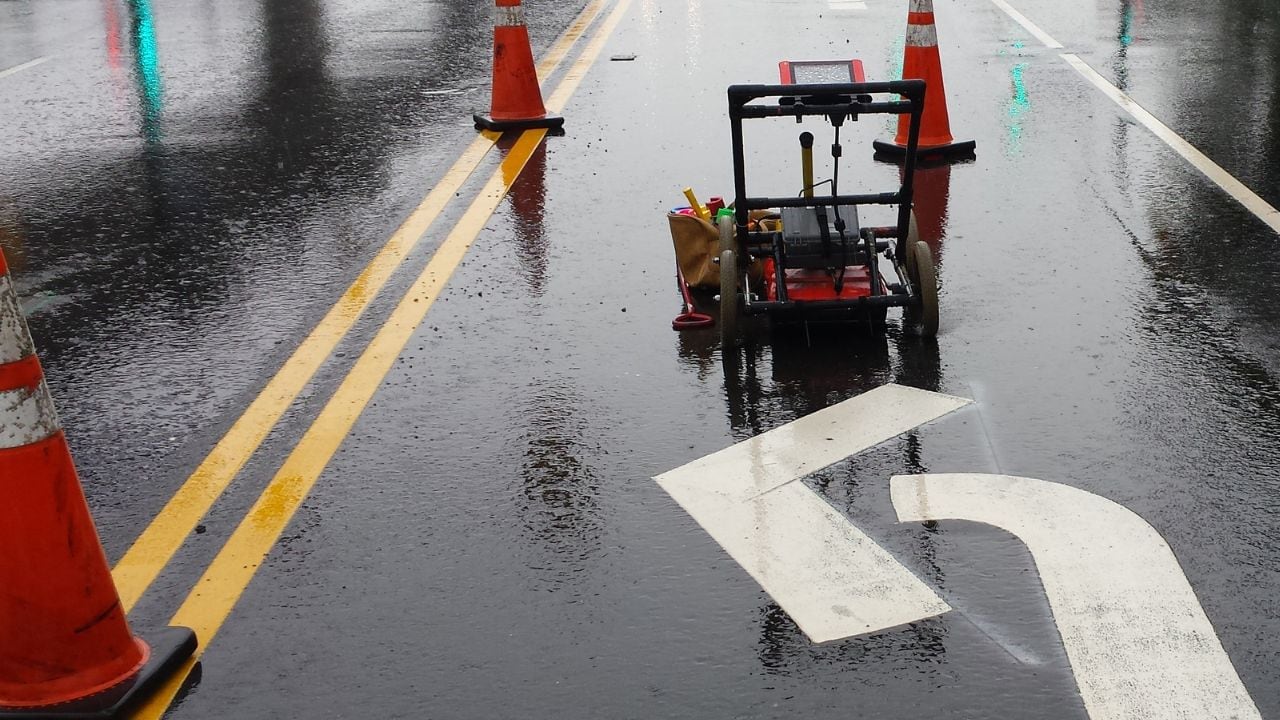
- Deploy multiple locating technologies (GPR and EM) calibrated for cold conditions
- Identify and mark high-visibility markers that will remain visible above anticipated snow line
- Log GPS coordinates for all utility locations in digital project management systems
- Schedule soil borings to evaluate site-specific frozen soil conditions
- Review historical winter damage data for the project area
- Assess accessibility for emergency repairs during frozen conditions
Timing Triggers For Implementing Winter Protocols
Clear thresholds eliminate guesswork about when to activate winter procedures. Implement the frozen conditions plan when any of these conditions occur:
- Sustained cold temperatures result in soil freezing to a depth of 1 to 2 inches or more
- Backfill material could freeze to the extent that adequate compaction becomes difficult
- Topsoil stockpiles could freeze and cannot be uniformly redistributed
- Snow accumulations are great enough to prevent visual observation of the construction work area
- Historical conditions indicate that significant runoff from spring snow melt may require additional measures
What Are The Most Effective Ways To Protect Your Project From Utility Damage?
Prevention delivers massive returns compared to repair costs. The most effective protection combines advanced locating technology, proven excavation techniques, and rigorous planning, all adapted for frozen conditions. Projects that invest in comprehensive upfront measures consistently avoid the catastrophic costs and delays of utility strikes.
The ROI Case for Prevention: Investing $2,500 in comprehensive locating can prevent a catastrophic strike costing up to $125,000, a 50:1 return on investment. Every dollar spent on prevention saves $18-$72 in potential damages.
Advanced Locating Technologies For Frozen Conditions
Ground Penetrating Radar (GPR):
- Advantage in frozen conditions: Frozen soil improves signal penetration (dielectric constant 3-4 vs. 5-30 when thawed)
- Challenge: Ice layers and freeze-thaw zones cause signal scattering
- Best practice: Requires specialized interpretation for accurate depth determination
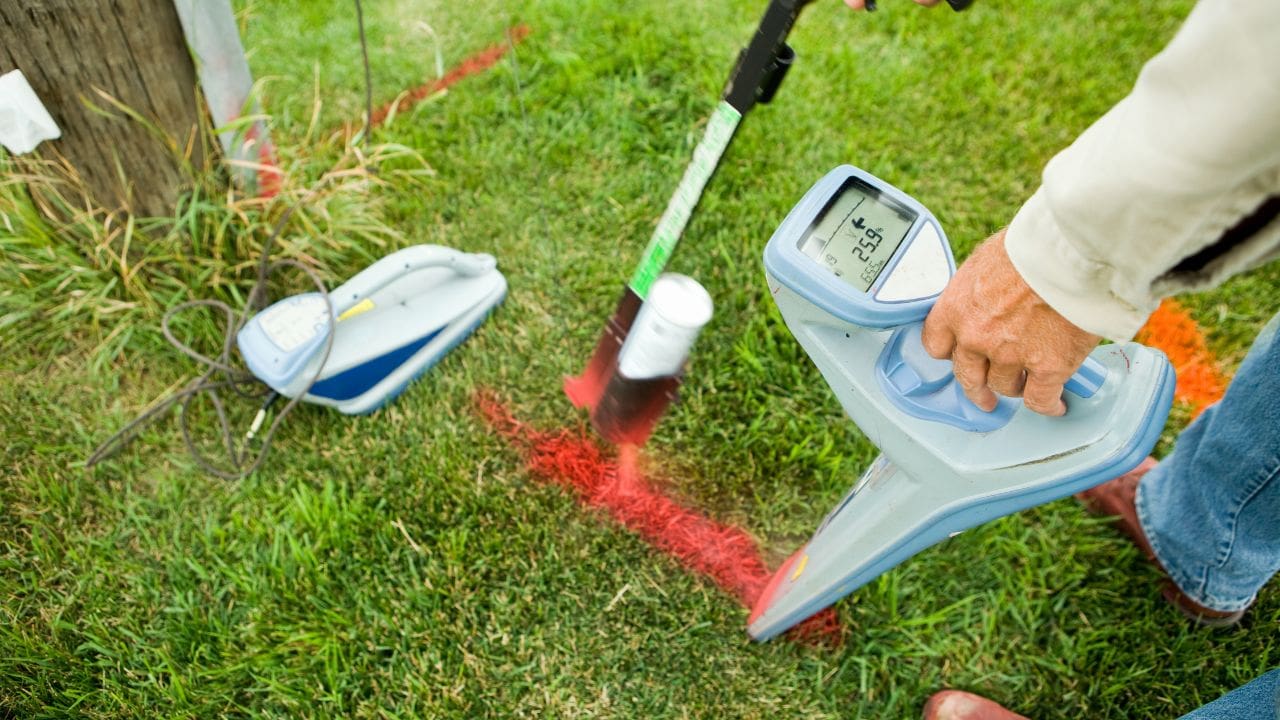
Electromagnetic (EM) Locating:
- Challenge in frozen ground: Prevents proper grounding for direct connection
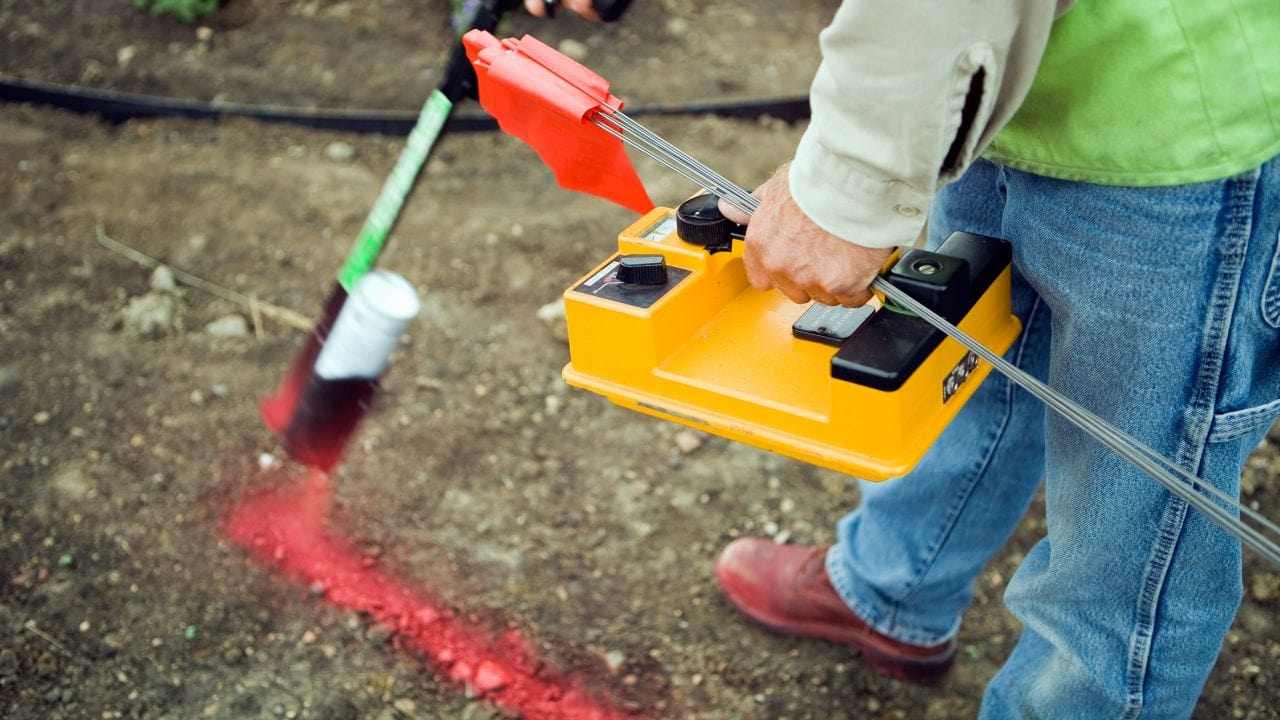
- Solution: Must use alternative grounding points (fire hydrants, street signs)
- Equipment needed: Specialized ground rod with slide hammer for frozen soil
Vacuum Excavation (Hydrovac):
- Industry consensus: Recognized as “very effective tools” with a low number of reported strikes (CGA and USAG data)
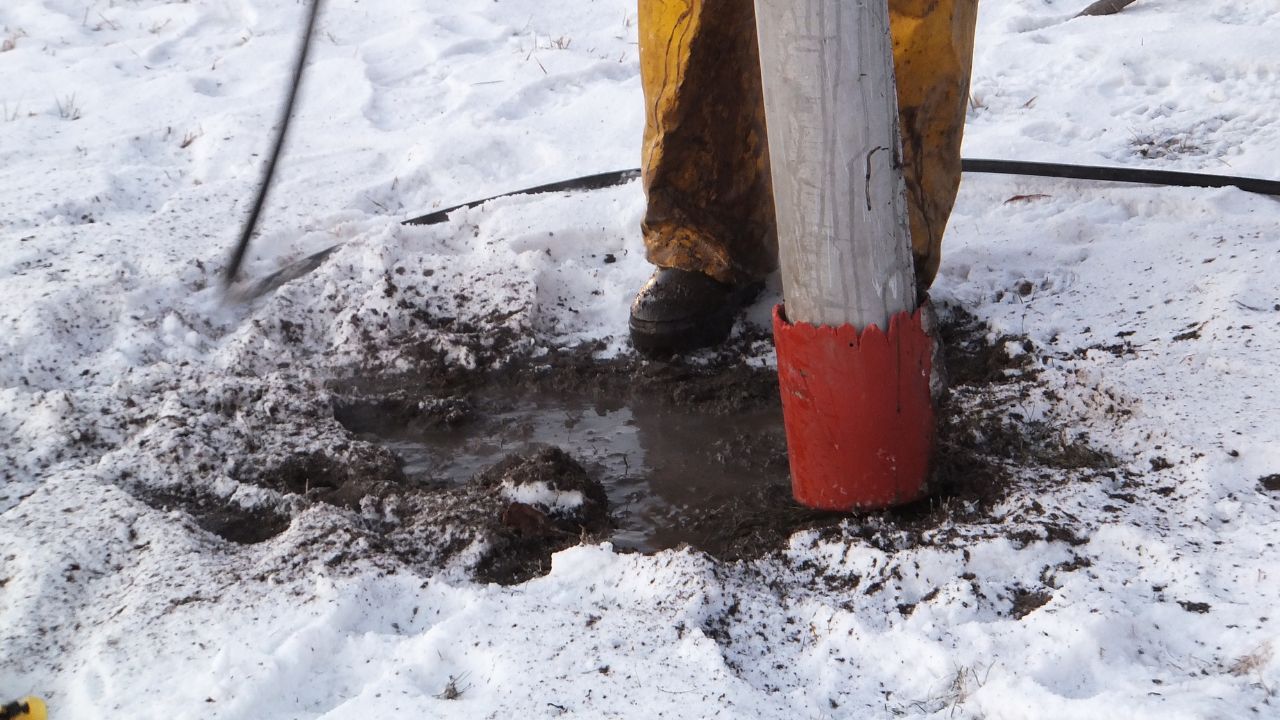
- Winter capability: Heated water systems cut through frozen ground using warm water at high pressure
- Effectiveness: Virtually eliminates utility strike risk when properly deployed
- Compliance: Must meet CGA Best Practices requirements (Version 20, Section 5.32)
Winter-Safe Excavation Best Practices
Controlled pacing prevents the cascading problems that occur when excavated material freezes. Rushing creates voids in backfill, which cause subsidence during spring thaw, often requiring expensive rework and additional material. Professional gas line locating and water line locating services become even more critical in winter conditions.
The 24-72 Hour Rule: Projects limit the pace of excavation to the length of ditch that can be excavated, pipe lowered in, and fully backfilled within 24 to 72 hours to reduce risk of freezing excavated spoil materials.
Key Preventive Measures:
- Enhanced Pre-Dig Planning – Budget 20-30% additional time for winter projects
- Daily Safety Briefings – Review weather conditions, equipment status, and emergency plans each day
- Daytime Operations Focus – Schedule work during daylight hours to avoid high-consequence 1-4 a.m. window
- Continuous Monitoring – Maintain vigilance throughout the excavation process, not just at start
- Digital Integration – Incorporate utility maps and GPS coordinates into project management systems
- Winter-Adapted Marking – Use high-visibility paint and elevated stakes above the anticipated snow line
- Equipment Support – For a 36-inch-diameter pipeline, typically requires a minimum of 30 inches of compacted frost road
Specialized Equipment And Techniques
For Breaking Through Frozen Ground:
- Hydrovac machines with heated water systems
- Rock saws to cut through frost layers
- Rotary wheel trenchers equipped with rock buckets
- Shaker hoes, rippers, and padding equipment to break up frozen backfill
- Ground thawing equipment for deep frost layers
For Maintaining Locating Accuracy:
- Cold-weather calibrated GPR and EM equipment
- Alternative grounding equipment for frozen soil
- Comprehensive geotechnical surveys
- Combination of technologies (GPR + EM + vacuum excavation)
What Are The Signs Of Utility Damage In Winter?
Early detection prevents minor damage from escalating into catastrophic failures. Winter conditions can mask the typical signs of utility compromise, making systematic monitoring essential. Crews trained to recognize subtle indicators can stop work before a small problem becomes a $450,000 emergency.
Warning Signs of Compromised Underground Utilities
Visual Indicators:
- Frost forming on utility markers or exposed infrastructure
- Snow melt patterns that differ from surrounding areas (may indicate heat from damaged lines)
- Discoloration in snow or ice near utility locations
- Unusual snow accumulation or melting patterns
- Visible cracks or upheaval in frozen ground along utility routes
Operational Indicators:
- Decrease in water pressure or flow
- Flickering or dimming electrical systems
- Unusual sounds (hissing, cracking) from underground
- Changes in soil temperature at specific locations
- Ice formation in unexpected areas
Early Detection Saves Money
The cost difference between immediate response and delayed detection grows exponentially in winter. Frozen conditions complicate every aspect of repair, from equipment mobilization to material performance. Minutes matter.
The Cost of Delayed Detection:
- Minor winter repair: $45,000 (vs. $25,000 in summer)
- Major winter repair: $125,000 (vs. $75,000 in summer)
- Emergency response: $95,000 (vs. $50,000 in summer)
- Multi-utility restoration: $450,000 (vs. $250,000 in summer)
Early Warning Systems:
- Smart sensors for detecting pressure drops or temperature fluctuations
- IoT devices for monitoring utility grid health
- Remote-controlled monitoring with automated alarms
- Regular probing of backfilled material to determine if frozen spoil persists
- GPS-logged utility locations for quick reference and verification
What Should You Do If Utility Damage Occurs During Winter?
Immediate, correct action limits liability and prevents escalation. Federal regulations mandate specific response steps, and winter conditions require additional precautions. Having a pre-established protocol ensures crews respond appropriately under pressure.
Immediate Response Protocol
Regulatory Requirements:
- Call 911 immediately if damage occurs
- Notify pipeline company immediately
- Federal law mandates damage reporting
- Stop work immediately if utility markers not visible or if damage suspected
Step-by-Step Emergency Response:
- Secure the Site – Stop all work immediately and establish safety perimeter
- Contact Authorities – Call 911 and notify utility company
- Document Conditions – Take photos and GPS coordinates before conditions change
- Assess Severity – Determine if damage requires immediate evacuation or emergency response
- Preserve Evidence – Do not disturb the site until authorities and utility companies inspect
Winter-Specific Damage Management
Cold Weather Complications:
- Frozen Materials – Large, angular frozen backfill material can create significant voids, causing subsidence ranging from a couple of inches to greater than a foot in depth
- Access Limitations – Seasonal road restrictions and load limits may affect ability to mobilize repair equipment
- Extended Timelines – Frozen ground extends repair timelines significantly
- Equipment Requirements – May need specialized equipment like floatation (swamp) hoes for wetland areas
- Material Thawing – Outer layers of frozen spoil pile may need to be stripped to access unfrozen material
Emergency Repair Cost Factors:
- Specialized equipment mobilization
- Extended labor hours in extreme conditions
- Higher material costs for cold-weather compatible products
- Service disruption costs (40-80% premium over summer)
- Regulatory fines and penalties (up to $200,000 per day for violations)
When To Call Professional Help
Immediate Professional Response Required:
- Any damage to high-pressure gas transmission lines
- Electrical utility damage posing shock or fire hazards
- Major water line breaks in frozen conditions
- Damage requiring excavation beyond 30 inches depth
- Multi-utility conflicts requiring coordination
- Situations where frozen ground prevents proper repair
- When trench subsidence exceeds 1 foot in depth
Professional Services Needed:
- Comprehensive Private Utility Locating – Average investment $2,500, prevents $125,000 average strike
- Vacuum Excavation Services – For safe potholing and utility exposure
- Emergency Repair Contractors – Pre-identified and on standby
- Environmental Inspectors – For monitoring during thaw periods
- Geotechnical Engineers – For soil condition assessments
How Can You Build Winter Utility Risk Management Into Your Project Plan?
Reactive approaches fail in winter construction. Successful projects integrate winter risk management from the earliest planning stages, allocating appropriate budgets, scheduling realistic timelines, and establishing clear protocols before the first freeze. This systematic approach transforms winter from a liability into a manageable operational challenge.
Financial Planning For Winter Risk
Cost Buffer Requirements:
Base Cost Multipliers:
- Add 40-80% contingency for potential winter emergency repairs
- Include 20-30% time buffer for winter project schedules
- Budget $2,500-$5,000 per project for comprehensive private utility locating
- Allocate funds for specialized equipment (hydrovac, ground thawing)
Prevention vs. Damage Costs:
- Prevention Investment: $2,500 (comprehensive locating)
- Average Major Strike Cost: $125,000
- ROI: 50:1
- Per Dollar Savings: $18-$72 in potential damages prevented
Scheduling Considerations For Winter Projects
Timeline Adjustments:
- Excavation Pace – Plan for 24-72 hour cycles from excavation to backfill completion
- Weather Delays – Add 20-30% buffer to account for extreme weather shut-downs
- Road Restrictions – Account for seasonal weight limits and access restrictions
- Daylight Windows – Schedule critical work during 10 a.m. to noon optimal window
- Inspection Frequency – Plan for additional inspections after extreme weather events
- Equipment Mobilization – Allow extra time for cold-weather equipment setup
- Material Thawing – Build in time for frozen material management
Critical Timing Windows:
- 811 Notification – Minimum 48-72 hours advance notice required
- Frost Road Development – Begins as soon as sustained freezing conditions occur
- Topsoil Segregation – Should be completed before soil freezes to 1-2 inch depth
- Erosion Control Installation – Must be completed before the ground freezes
- Final Restoration – May need to be delayed until spring thaw for optimal results
Contingency Planning Elements
Winter-Specific Risk Management Plan:
Define Frozen Conditions Threshold:
- Sustained cold temperatures resulting in soil freezing to 1-2 inches depth
- Backfill material frozen enough to prevent adequate compaction
- Snow accumulation preventing visual observation
- Historical spring melt runoff patterns
Emergency Response Resources:
- Pre-identified backup utility suppliers
- Emergency repair contractors on standby
- Environmental Inspector and labor crew on call through thaw periods
- Stockpiles of materials suitably located for efficient repairs
- Equipment capable of accessing soft soil conditions (all-terrain vehicles with oversized tires)
Compliance Framework:
- PHMSA damage prevention program implementation (penalties up to $200,000/day)
- 811 call-before-you-dig protocol (48-72 hours advance notice)
- CGA Best Practices Version 20 compliance
- Re-mark requirements if snow/ice obscures original marks
Monitoring and Documentation:
- Daily pre-dig safety briefings
- GPS logging of all utility locations
- Photo documentation of conditions
- Probing of backfilled material to determine if frozen spoil persists
- Flyover inspections for inaccessible areas during thaw
How To Minimize Utility Damage Risks For A Successful Winter Project
Winter construction projects come with unique challenges, but with proper planning and an investment in prevention, they can yield exceptional returns. In the U.S., utility strikes occur every six minutes, costing the industry around $30 billion annually. With a 50:1 return on investment for comprehensive utility locating, it becomes clear that prevention is a wise financial move.
Key success factors include investing in prevention, where a $2,500 investment can prevent an average $125,000 strike, and using multiple technologies such as Ground Penetrating Radar (GPR), Electromagnetic (EM) locating, and vacuum excavation to provide maximum protection. Additionally, planning for winter conditions by adding a 20-30% time buffer and a 40-80% cost contingency is essential. Compliance with regulations, such as calling 811 48-72 hours in advance, avoids costly penalties, which can reach up to $200,000 per day.
It’s also important to work smart by scheduling excavations during optimal daylight hours and limiting excavation to 24-72 hour cycles. Ongoing monitoring during thaw periods with an Environmental Inspector and crews on call is crucial for maintaining safety and reducing risks. Remember, every dollar spent on prevention can save $18-$72 in potential damages. With the average utility damage costing $56,391, and winter incidents being 65% higher, comprehensive planning isn’t just smart, it’s essential for the success of any winter project. If you’re ready to protect your project from costly utility strikes, reach out to utility locating experts who can provide tailored solutions for frozen conditions.
Ready to protect your winter project from costly utility strikes? Contact our utility locating experts for comprehensive solutions tailored to frozen conditions.